Articles Updates

Uncover our latest and greatest product updates
Why Strategy Beats Features — Always

Why Strategy Beats Features — Always

IntroductionImagine sprinting in a race with no finish line.You run faster, harder — yet never win.That’s what chasing features without strategy feels like.In today’s IT-driven product ecosystem, speed is often mistaken for progress. Teams keep adding integrations, toggles, and design themes — but forget the why.Strategy is what connects motion to meaning.The Feature Factory TrapMany organizations equate productivity with success:“If we shipped 20 new features this quarter, we must be doing great.”But the truth?Features add noise. Strategy creates outcomes.Real-world Use CasesSaaS Overload: A SaaS platform launched 100+ integrations in a year to “expand options.” User adoption fell by 15%.Why?They solved fringe problems instead of core pain points.Dark Mode vs Checkout Fix: An e-commerce team prioritized “dark mode” over fixing checkout errors.Users quit before they could even enjoy the new theme.The Three Pillars of Lean Product StrategyEvery strong IT product strategy rests on three timeless lenses:Desirability – Do customers truly want it? This ensures you’re solving the right problem, not just building for novelty.Viability – Does it make business sense? Every decision should connect back to measurable outcomes or ROI.Feasibility – Can we realistically build and scale it? Aligns ambition with technical and operational capacity.These lenses transform teams from reactive builders to purposeful creators.Strategy Across the Product LifecycleStrategy isn’t a one-time phase — it’s a continuous discipline:Concept Acceptance: Validate the problem, not the feature. Use user research, surveys, and mock testing.MVP Development: Test assumptions with minimal investment. Dropbox began with a demo video — no code, pure validation.Market Testing: Gather real-world feedback, not opinions. Learn fast, adapt faster.Prioritized Roadmap: Turn insights into sequenced delivery. Slack deprioritized “offline mode” early on to focus on reliable real-time messaging — a strategic masterstroke.Strategy in Product Development ExecutionEven the most elegant strategy is useless unless it flows into execution.Backlog Creation: Translate strategy into prioritized epics aligned with outcomes.Development Sprints: Every story must ladder up to business or user value.User Acceptance Testing (UAT): Strategy validation in disguise. UAT Framework:Develop PlanIdentify Real-World ScenariosSelect Testing TeamsTest & DocumentUpdate Code, Re-Test & Sign-OffRelease Notes & Documentation: Close the loop. Every change should explain why it exists.Frameworks That Shape Winning Product StrategyHaving a strategy is good.Having a repeatable way to build one is better.North Star Framework:Focus around one measurable outcome that reflects customer value.Example: Spotify’s “Minutes Streamed” metric.→ Teams using North Star Metrics align 40% faster across functions.OKR Framework (Objectives & Key Results):Connect vision to measurable impact.Example: Google uses OKRs to ensure every sprint outcome aligns to business growth.RICE Prioritization Model:Formula: (Reach × Impact × Confidence) / Effort.→ Teams using RICE-style scoring report 32% higher release-to-impact ratios.Kano Model:Classifies features into Basic, Performance, and Delighters.Helps maintain balance between innovation and necessity.Case Studies: When Strategy WinsFinTech: StripeStripe didn’t compete by adding 200 payment types. Its strategy? A frictionless developer experience.That clarity turned API usability into a growth engine — powering over 60% of global startups today.E-Commerce: ShopifyShopify avoided feature sprawl by doubling down on enabling entrepreneurs to launch quickly.SaaS: NotionInstead of chasing every enterprise feature, Notion focused on modularity and user empowerment.Its strategic bet on customization paid off — achieving 4M+ daily active users by 2024.How AI Is Powering Strategic Product ManagementAI is no longer a “nice-to-have” — it’s a strategy multiplier.Market Intelligence: Tools like Crayon or SimilarWeb analyze competitors for smarter positioning.Customer Insights: NLP models process feedback from reviews, tickets, and NPS responses.Prioritization Assistance: Tools like Aha! and ProductBoard use AI to score ideas automatically.Predictive Analytics: AI models forecast feature adoption or churn risk.UAT Automation: AI-driven test case generation shortens feedback loops.Why This Matters“A good strategy doesn’t slow you down — it ensures you’re running in the right direction.”Great Product Managers don’t ask,“What can we build next?”They ask,“What should we build next — and why now?”Harvard Business Review notes that companies using strategic prioritization frameworks achieve 33% higher success rates in product launches than those chasing unprioritized features.Next in the SeriesCurious what PMs truly own beyond features?Stay tuned for Post 3: Product Manager vs Product Owner vs Project Manager— breaking down real accountability in the product world.Article written by Deep Verma | Exploring product management beyond the backlogFollow the series: #BeyondTheBacklog | #AziroOnProducts

Aziro Marketing

blogImage

What Exactly Is Product Management?

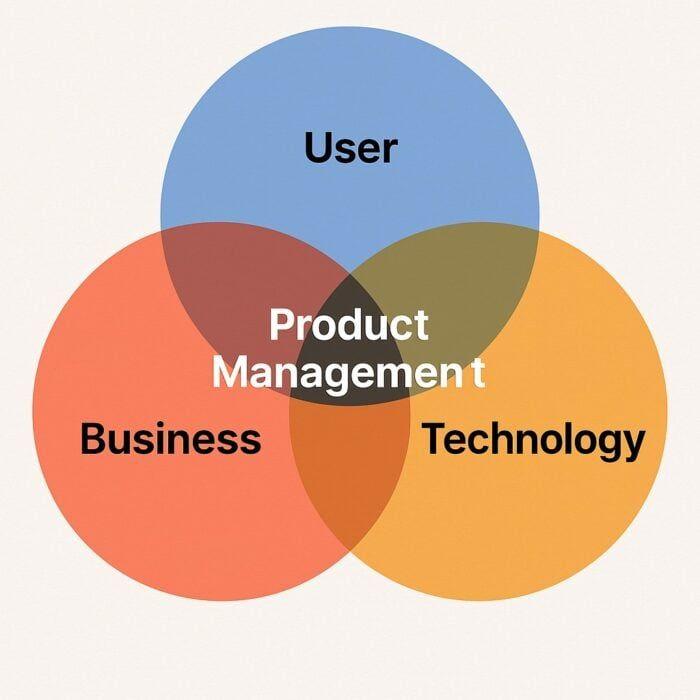
It’s Not About Features, It’s About Outcomes. Imagine you’re on a road trip, and your GPS takes you on a scenic route that’s 30 minutes longer than the usual path. You arrive delighted — breathtaking views, unexpected adventure, a journey that felt tailored for you. Now imagine if the GPS had simply barked “turn left” and “turn right,” ignoring traffic, road conditions, or your preferences. Same destination, very different experience.That’s product management in a nutshell. It’s not about ticking off features. It’s about creating experiences that delight users, drive business growth, and leverage technology to solve real problems.Myth-Busting: PM ≠ Project ManagementMany still confuse product management with project management. They sound similar, but the focus couldn’t be more different:Project Managers are like orchestra conductors — ensuring every section plays in harmony, delivering projects on time, within scope, and on budget.Product Managers are like composers — defining the melody, crafting the score, and ensuring the music resonates with the audience.As Marty Cagan puts it in Inspired, the PM’s role is to discover products that are valuable, usable, and feasible, then work with teams to deliver them. Project management is building the car on time. Product management is making sure it’s the right car to build.The Sweet Spot: Where Business, Users, and Technology MeetA PM operates at the intersection of three worlds:User Needs → What problems are we solving, and how are we making lives better?Business Goals → Does this product drive growth, revenue, or retention?Technical Feasibility → Can we realistically build and scale this with available tech and resources?From Outputs to OutcomesHere’s where many teams get it wrong: measuring success by features shipped, instead of problems solved.Case Study 1: FintechA fintech app launched 15 shiny new features in one year 🚀 — but adoption flatlined 📉 because they never solved the real pain point: failed transactions.Lesson: More features ≠ more value.Case Study 2: Slack (SaaS)Slack gained 8,000 users in 24 hours of its beta launch. Why? It solved a deep team communication gap with elegance and focus. No gimmicks, just clarity.Lesson: Solve real pains → adoption follows naturally.Case Study 3: Amazon (E-commerce)Amazon didn’t obsess over feature parity with competitors. Instead, it built one-click checkout, Prime, and personalized recommendations — relentlessly reducing friction.Lesson: Customer obsession beats feature chasing.Case Study 4: Airbnb (Consumer App)Airbnb wasn’t just about beds. It created a sense of belonging by designing for trust and community. From host reviews to immersive experiences, PM decisions fueled a global movement.Lesson: Experiences > transactions.The Product Management Process: A Continuous CyclePM is not a linear checklist — it’s a loop of discovery and learning:Discovery → Research, personas, Jobs to Be DoneStrategy → Define vision, goals, market positioningPrioritization → Balance impact vs. effort with RICE, KANO, or similar frameworksExecution → Collaborate with design, engineering, QAMeasurement → Track DAU, retention, churn, NPSIteration → Learn, adjust, evolveThe Skills That MatterGreat PMs don’t just manage backlogs — they influence without authority. They need:Empathy → Deeply understand user needsEmpathy means going beyond surface-level feedback to grasp the emotions, motivations, and challenges of users. When you truly understand their perspective, you can design solutions that feel intuitive and impactful.Strategic Thinking → Connect the dots between market, product, and businessStrategic thinking is about seeing how customer needs, market shifts, and business objectives align. It ensures that every product decision contributes to both immediate impact and long-term growth.Communication → Translate across tech, business, and customersStrong communication bridges the gap between technical teams, business leaders, and customers. It makes complex ideas clear and actionable for all stakeholders, ensuring alignment and trust.Data Fluency → Use evidence to guide choices, not gut instinct aloneData fluency means using analytics, metrics, and research to make smarter decisions. It reduces reliance on assumptions and ensures strategies are backed by real-world evidence.Adaptability → Stay resilient in shifting marketsAdaptability allows teams to respond quickly to new challenges and changing priorities. It’s about embracing change as an opportunity rather than resisting it as a threat.As McKinsey puts it, strong PMs act as “mini-CEOs of the product”Why Product Management Matters More Than EverIn today’s fast-paced, tech-driven world, PM isn’t optional. Companies that get it right can:Drive growth through innovation and customer delightStay ahead by solving real problems, not chasing vanity featuresBuild products loved — and advocated for — by millionsThose that miss the point? They burn energy in the “feature factory,” shipping more but changing little.Wrapping Up(and What’s Next)So, what exactly is product management? It’s the art and science of creating value where user needs, business goals, and technical feasibility intersect. It’s not about ticking features off a roadmap. It’s about asking, “What changed for the user because of what we built?” That’s the mindset shift. And this is just the beginning.In the next post of Beyond the Backlog, we’ll tackle the feature factory trap — why teams confuse features with strategy, and how to break free.Stay tuned …Article written by Deep Verma | Exploring product management beyond the backlogFollow the series: #BeyondTheBacklog | #AziroOnProducts

Aziro Marketing

blogImage

Transforming Your Business with Application Modernization: A 5-Step Blueprint

Application Modernization has revolutionized the way businesses operate. From streamlining processes to enhancing customer experiences, these applications have become an essential part of any successful business strategy. Understanding the impact of application modernization on business transformation is crucial for organizations looking to stay ahead in today’s competitive market.Understanding the Impact of Application Modernization on Business Transformation Applications Modernization has revolutionized the business landscape, offering unprecedented opportunities for growth and innovation. These sophisticated software solutions have the capability to streamline operations, enhance productivity, and revolutionize customer experiences. By harnessing the power of application modernization, businesses can gain a competitive edge in today’s fast-paced market.One of the key benefits of application modernization is their ability to automate repetitive tasks, freeing up valuable time for employees to focus on more strategic initiatives. This automation not only increases efficiency but also reduces the risk of human error, leading to higher levels of accuracy and consistency in business processes.Moreover, application modernization enables businesses to make data-driven decisions by providing real-time insights into various aspects of their operations. By analyzing this data, organizations can identify trends, predict customer behavior, and optimize their strategies for maximum impact.When embarking on the journey of implementing Application modernization, businesses must first conduct a thorough assessment of their current systems and processes. This evaluation will help identify areas that can benefit from automation and optimization, laying the foundation for a successful transformation.Once the assessment is complete, businesses can begin the process of selecting the right Application modernization that aligns with their goals and objectives. It is crucial to choose software solutions that are scalable, customizable, and user-friendly to ensure seamless integration with existing systems.Assessing Your Current Business Needs and GoalsBefore embarking on the journey of integrating Application modernization into your business, it’s important to assess your current needs and goals. This involves understanding your existing processes, identifying pain points, and determining how Application modernization can address these challenges. By conducting a thorough assessment, you can ensure that the chosen applications align with your specific business objectives.One key aspect of assessing your business needs is to evaluate the scalability of your current systems. Scalability refers to the ability of a system to handle growing amounts of work or its potential to accommodate growth. Understanding the scalability of your current infrastructure is crucial when considering the integration of modern applications, as it ensures that your systems can support increased demands as your business expands.Furthermore, it’s essential to analyze the security implications of integrating new applications into your business environment. Application modernization often requires access to sensitive data, making data security a top priority. Conducting a thorough security assessment will help identify potential vulnerabilities and ensure that proper measures are in place to protect your business data from cyber threats and breaches.Selecting the Right Application modernization for Your Business Choosing the right Application modernization is a critical step in the transformation process. With the wide range of options available, it’s essential to carefully evaluate each application based on its features, functionality, and scalability. Consider factors such as compatibility with existing systems, ease of integration, and potential for customization. By selecting the right applications, you can lay the foundation for a successful transformation.One key aspect to consider when choosing Application modernization for your business is the level of security they offer. In today’s digital landscape, data breaches and cyber attacks are becoming increasingly common, making robust security measures a top priority. Look for applications that offer encryption, multi-factor authentication, and regular security updates to ensure your business data remains safe and secure.Another important factor to keep in mind is the level of customer support provided by the application vendor. Implementing new software can sometimes lead to unexpected challenges or technical issues that need to be addressed promptly. Opt for applications that offer reliable customer support services, such as 24/7 helpdesk assistance or dedicated account managers, to ensure that any issues are resolved quickly, minimizing disruptions to your business operations.Implementing a Step-by-Step Blueprint for TransformationOnce you’ve selected the Application modernization that aligns with your business needs, it’s time to develop a step-by-step blueprint for the implementation process. This blueprint should outline the stages of implementation, key milestones, and timelines. By breaking down the transformation process into manageable steps, you can ensure a smooth and successful transition.It is crucial to involve key stakeholders from various departments in the development of this blueprint to ensure that all aspects of the business are considered. By gathering input from different teams, you can create a comprehensive plan that addresses potential challenges and maximizes the benefits of the transformation. Communication is key during this stage, as keeping all stakeholders informed and aligned will help maintain momentum throughout the implementation process.Furthermore, it’s important to allocate resources effectively during the implementation phase. This includes not only budgetary considerations but also human resources. Identifying team members with the right skills and expertise to drive the transformation forward is essential. Training and upskilling may be necessary to ensure that everyone is equipped to handle the new applications and processes effectively. By investing in your team’s development, you are investing in the long-term success of your transformation initiative.Leveraging Technology to Enhance Business Efficiency Application modernization doesn’t just automate tasks; they also enhance business efficiency. By leveraging technology, businesses can streamline processes, reduce manual errors, and improve overall productivity. This can result in cost savings, faster response times, and a competitive edge in the market.One key aspect of leveraging technology for business efficiency is the implementation of cloud computing solutions. Cloud computing allows businesses to access and store data and applications over the internet instead of on physical hard drives or servers. This not only reduces the need for expensive hardware but also provides flexibility and scalability for businesses to adapt to changing needs quickly. Additionally, cloud computing offers enhanced security measures to protect sensitive business information, ensuring data integrity and confidentiality.Moreover, the integration of artificial intelligence (AI) and machine learning algorithms into business processes can further optimize efficiency. AI can analyze large datasets to provide valuable insights, automate repetitive tasks, and even make predictions to support decision-making. By harnessing the power of AI, businesses can improve operational efficiency, personalize customer experiences, and stay ahead of the competition in today’s fast-paced digital landscape.Overcoming Challenges in Adopting Application modernization Adopting Application modernization can come with its fair share of challenges. Resistance to change, employee training, and integration issues are common roadblocks that businesses may face. However, by anticipating these challenges and developing strategies to overcome them, businesses can navigate the transformation process with ease.One significant challenge in adopting Application modernization is the issue of compatibility with existing systems. Many businesses have legacy systems in place that may not easily integrate with new applications. This can lead to data silos, inefficiencies, and increased costs. To address this challenge, businesses can invest in middleware solutions that act as a bridge between old and new systems, ensuring seamless communication and data transfer.Another obstacle that businesses encounter is the lack of internal expertise to manage and maintain Application modernization. Training existing employees or hiring new talent with the required skill set can be time-consuming and expensive. To mitigate this challenge, businesses can partner with external consultants or vendors who specialize in modern technologies. These experts can provide guidance, training, and support throughout the adoption process, ensuring a smooth transition and optimal utilization of the new applications.Measuring Success: Key Metrics for Business TransformationMeasuring the success of your business transformation is crucial in determining the effectiveness of Application modernization. By identifying key metrics to track, such as increased revenue, improved customer satisfaction, and enhanced operational efficiency, you can gauge the impact of Application modernization on your business’s overall performance.One important metric to consider is the adoption rate of new technologies within your organization. This metric can provide valuable insights into how quickly your employees are embracing and utilizing the Application modernization introduced during the transformation process. A high adoption rate indicates that your workforce is adapting well to the changes and leveraging the new tools effectively, which can lead to increased productivity and innovation.Another key metric to monitor is the time-to-market for new products or services after the business transformation. By tracking how long it takes from ideation to launch, you can assess the efficiency of your processes and identify any bottlenecks that may be hindering rapid innovation. A shorter time-to-market not only allows you to stay ahead of competitors but also demonstrates your organization’s agility and ability to respond swiftly to market demands.Training and Empowering Your Team for the TransitionA successful transformation requires not only the right technology but also a skilled and empowered workforce. Investing in comprehensive training programs to equip your team with the knowledge and skills necessary to utilize Application modernization is crucial. Additionally, fostering a culture of innovation and continuous improvement can help drive the transformation forward.The Future of Business Innovation: Staying Ahead with Application modernization In today’s rapidly evolving business landscape, staying ahead requires embracing innovation. Application modernization offers businesses the opportunity to differentiate themselves, adapt to changing market trends, and unlock new growth opportunities. By continuously exploring and embracing new technologies, businesses can position themselves as industry leaders and drive long-term success.Transforming your business with Application modernization is not a one-time process; it’s an ongoing journey of continuous improvement. By following the 5-step blueprint outlined above and nurturing a culture of innovation, businesses can stay ahead of the competition and navigate future challenges with confidence.Empower Your Business Transformation with Aziro (formerly MSys Technologies) Application Modernization holds immense potential to revolutionize your business, but navigating the journey can be complex. At Aziro (formerly MSys Technologies), we’re passionate about helping businesses unlock the transformative power of technology.Our team of experts can guide you through every step of the process, from assessing your needs to selecting the right applications and ensuring seamless implementation. We offer a comprehensive suite of services designed to empower your business transformation.Contact us today and let’s discuss how we can help you achieve your business goals.

Aziro Marketing

blogImage

Navigating the Digital Frontier: The Imperative of a Chief Digital Officer in FinTech

Genesis Prelude “The world of finance is a rollercoaster ride, and we’re all strapped in for the journey.” Amidst the ever-shifting tides of financial technology, companies navigate a treacherous sea of challenges while also glimpsing the distant shores of opportunity. As digital transformation continues to reshape the industry, FinTech companies must adapt quickly to stay competitive. One key strategy for success is to onboard a Chief Digital Officer (CDO) – a visionary leader who can drive innovation, optimize digital processes, and unlock new growth opportunities. The Rise of the Chief Digital Officer: An Ascent Worth the Celebratory Hype? “From obscurity to prominence in record time, the CDO’s ascension is swift and meteoric.” The CDO is a relatively new addition to the C-suite, but the role has quickly gained traction in recent years. According to a study by PwC, the number of companies with a CDO has more than quadrupled since 2014. This trend is particularly pronounced in the financial services sector, where digital transformation is a top priority. So what exactly does a CDO do? “So what’s a CDO’s job, you ask? In short, it’s all about turning yesterday’s business into tomorrow’s game changer.” In essence, the CDO is responsible for driving digital innovation and transformation across the organization. This includes developing and executing a digital strategy, optimizing digital channels and processes, and leveraging emerging technologies such as artificial intelligence and blockchain. The CDO also plays a critical role in fostering a culture of innovation and agility. By breaking down silos and promoting collaboration across teams, the CDO can help the organization respond more quickly to changing market conditions and customer needs. Vitality of Digital Transformation in FinTech “In FinTech, digital transformation isn’t just about staying ahead of the curve; it’s about avoiding being run over by it.” For FinTech companies, digital transformation is not just a nice-to-have – it’s a matter of survival. As customer expectations continue to evolve and new competitors enter the market, FinTech companies must be able to innovate quickly and deliver seamless digital experiences. This requires a deep understanding of emerging technologies and how they can be applied to solve real-world problems. For example, artificial intelligence and machine learning can be used to improve fraud detection, personalize customer experiences, and automate complex processes. Blockchain technology can be used to increase transparency, reduce costs, and enable new business models. However, implementing these technologies is not a simple task. It requires a strategic approach that takes into account the unique needs and challenges of the organization. This is where the CDO comes in – by developing a comprehensive digital strategy and roadmap, the CDO can help the organization prioritize initiatives and allocate resources effectively. The Benefits of Having a Chief Digital Officer “A CDO is like having a secret weapon in your corner – one that can boost your customer experience, slash your costs, speed up your time-to-market, sharpen your decision-making, and lure top talent with a single glance.” Having a dedicated CDO can bring numerous benefits to a FinTech company. Here are just a few: Improved Customer Experience: By optimizing digital channels and processes, the CDO can help the organization deliver a more seamless and personalized customer experience. This can lead to increased customer satisfaction, loyalty, and advocacy.Increased Efficiency: The CDO can help the organization streamline processes and automate manual tasks, leading to increased efficiency and cost savings. This can free up resources to focus on higher-value activities such as innovation and customer service. Faster Time-to-Market: By fostering a culture of agility and innovation, the CDO can help the organization bring new products and services to market faster. This can give the company a competitive edge and help it capture new market opportunities. Better Decision-Making: The CDO can help the organization leverage data and analytics to make more informed decisions. By providing real-time insights into customer behavior and market trends, the CDO can help the organization stay ahead of the curve and respond quickly to changing conditions. Attracting Top Talent: Having a dedicated CDO can help the organization attract top talent, particularly in areas such as data science, artificial intelligence, and blockchain. By demonstrating a commitment to digital innovation, the organization can position itself as an employer of choice for the best and brightest minds in the industry. The Challenges of Implementing a Chief Digital Officer “From navigating the waters of digital transformation to becoming a trailblazing game changer, the CDO’s voyage is peppered with challenges. Yet those who master both the art of technology integration and human capital development will undoubtedly leave an indelible mark!” While the benefits of having a CDO are clear, implementing this role can also come with challenges. Here are a few key considerations: Finding the Right Fit: The CDO role requires a unique combination of technical expertise, business acumen, and leadership skills. Finding a candidate with the right mix of skills and experience can be challenging, particularly in a competitive job market. Aligning with Business Strategy: The CDO must work closely with other members of the executive team to ensure that digital initiatives are aligned with overall business strategy. This requires strong communication and collaboration skills, as well as a deep understanding of the company’s goals and priorities. Managing Change: Implementing a digital transformation strategy can be disruptive to an organization’s existing processes and culture. The CDO must be able to manage change effectively, communicating the benefits of digital transformation and securing buy-in from stakeholders at all levels of the organization. Balancing Short-Term and Long-Term Goals: The CDO must balance the need for short-term wins with the long-term vision for digital transformation. This requires a strategic approach that prioritizes initiatives based on their potential impact and feasibility. Measuring Success: Measuring the success of digital initiatives can be challenging, particularly when it comes to intangible benefits such as customer satisfaction and brand loyalty. The CDO must develop clear metrics and KPIs to track progress and demonstrate the value of digital transformation to the organization. The Future of the Chief Digital Officer Role “Technology may be the engine that powers digital transformation, but it’s the CDO’s ability to steer the cultural ship that ensures a smooth journey towards success.” As digital transformation continues to shape the FinTech industry, the role of the CDO will only become more critical. Here are a few key trends to watch: Increased Specialization: As the field of digital transformation becomes more complex, we may see the emergence of specialized CDO roles focused on specific areas such as data analytics, artificial intelligence, or blockchain. Greater Collaboration: The CDO will need to work closely with other members of the C-suite, particularly the Chief Information Officer (CIO) and Chief Technology Officer (CTO), to ensure that digital initiatives are aligned with overall IT strategy and infrastructure. Expanded Scope: The CDO role may expand beyond the traditional boundaries of digital transformation to encompass broader areas such as innovation, customer experience, and corporate strategy. Emphasis on Soft Skills: As the CDO role evolves, there will be a greater emphasis on soft skills such as leadership, communication, and change management. These skills will be critical for driving cultural change and securing buy-in from stakeholders across the organization. Last Word Symphony “Implementing a CDO role is a challenge? More like a walk in the park for FinTech companies that don’t want to bother with digital transformation.” In today’s fast-paced and highly competitive FinTech landscape, having a dedicated Chief Digital Officer is no longer a luxury – it’s a necessity. By driving digital innovation, optimizing processes, and fostering a culture of agility, the CDO can help FinTech companies stay ahead of the curve and unlock new growth opportunities. Of course, implementing a CDO role is not without its challenges. It requires finding the right candidate, aligning digital initiatives with business strategy, managing change effectively, and measuring success. But for FinTech companies that are willing to invest in this critical role, the benefits can be significant. As the FinTech industry continues to evolve, the role of the CDO will only become more important. By staying ahead of the latest trends and technologies, collaborating closely with other members of the C-suite, and focusing on delivering value to customers, the CDO can help FinTech companies thrive in the digital age. So if you’re a FinTech company looking to stay competitive in today’s rapidly changing landscape, it’s time to consider onboarding a Chief Digital Officer. With the right leadership and strategy in place, you can unlock the full potential of digital transformation and drive long-term success for your organization. Embracing Aziro (formerly MSys Technologies) as a trusted partner in their journey, organizations can tap into a treasure trove of knowledge and guidance, empowering them to navigate the intricate labyrinth of digital transformation. With Aziro (formerly MSys Technologies) by their side, companies can confidently stride towards sustained growth and success within the dynamic FinTech landscape.

Aziro Marketing

blogImage

Embracing the Future: Top 6 App Modernization Trends in 2024

Every industry is being forced to redesign its present processes and operational infrastructure as a result of the mix of new technology and constantly shifting market conditions. Despite this, the majority of businesses continue to concentrate on legacy applications, which ultimately results in potential losses.Relying on key apps that are supported by an on-premise dedicated infrastructure restricts your expansion and reduces the overall productivity of your firm. There are situations when it can even result in possible risks, data inconsistencies, and other deficiencies.The implementation of application modernization is a viable solution to the problem of such ineptitude. Organizations, today, strive to update their legacy applications to meet the demands of the modern business landscape. As we look towards the future, it is important to recognize the top trends that will shape app modernization in 2024. In this article, we will discover the top 6 app modernization trends that are shaping the future in 2024 and are set to revolutionize the way we develop and deploy applications.The Evolution of Cloud-Native ApplicationsOne of the most significant trends in app modernization is the rise of cloud-native applications. As organizations increasingly adopt cloud computing, there is a growing need for applications that are specifically designed to leverage the scalability and flexibility of the cloud. Cloud-native applications are built using microservices architecture, allowing for easy scalability, improved resilience, and faster time-to-market.By embracing cloud-native applications, organizations can harness the power of the cloud to drive innovation and achieve business goals more effectively. The shift towards cloud-native applications is expected to continue to gain momentum in 2024, as businesses recognize the value of this approach in today’s digital landscape.One key advantage of cloud-native applications is their ability to enable continuous integration and continuous deployment (CI/CD) practices. This means that developers can quickly and automatically test, build, and deploy code changes, leading to faster delivery of new features and updates. Additionally, cloud-native applications often utilize containerization technology, such as Docker or Kubernetes, to package and deploy software in a consistent and efficient manner.Furthermore, the adoption of cloud-native applications is not limited to new software development projects. Many organizations are also modernizing their existing legacy applications by refactoring them into cloud-native architectures. This process, known as application modernization, helps businesses unlock the full potential of their applications by making them more agile, scalable, and cost-effective in the cloud environment.Microservices Architecture: Breaking Down MonolithsIn the past, many organizations relied on monolithic applications to handle their business processes. However, with the increasing complexity and scale of applications, monolithic architectures have proven to be inflexible and difficult to maintain. Enter microservices architecture.Microservices architecture is a software development approach that breaks down applications into smaller, loosely coupled components called microservices. Each microservice is responsible for a specific function and can be developed, deployed, and scaled independently. This modular approach allows for greater flexibility, agility, and resilience.In 2024, we can expect to see more businesses embracing microservices architecture as they seek to break free from the limitations of monolithic applications. By adopting a microservices approach, organizations can unlock greater scalability, faster development cycles, and enhanced fault tolerance.One of the key advantages of microservices architecture is its ability to enable continuous delivery and deployment. With each microservice operating independently, updates and changes can be made to specific components without affecting the entire application. This results in faster time-to-market for new features and improvements, giving businesses a competitive edge in the rapidly evolving digital landscape.The decentralized nature of microservices allows development teams to work in parallel on different services, promoting collaboration and speeding up the overall development process. This distributed approach also enhances fault isolation, as failures in one microservice do not necessarily impact the entire system, ensuring greater reliability and uptime for critical applications.Embracing Serverless Computing for ScalabilityServerless computing is another trend that is set to revolutionize app modernization in 2024. With serverless computing, organizations can focus on writing code without worrying about the underlying infrastructure. This allows developers to build and deploy applications quickly and easily, with the ability to scale automatically based on demand.Serverless computing offers several benefits, including reduced costs, increased productivity, and improved scalability. By eliminating the need for server management, organizations can shift their focus towards delivering value to their customers.In the coming years, we can expect to see an increased adoption of serverless computing as businesses recognize the potential for cost savings and improved efficiency.One of the key advantages of serverless computing is its ability to handle sudden spikes in traffic without any manual intervention. This is particularly beneficial for applications that experience unpredictable usage patterns, as the infrastructure automatically scales up or down based on the workload. This dynamic scalability ensures that the application remains responsive and cost-effective, even during peak times.Furthermore, serverless computing promotes a microservices architecture, where applications are broken down into smaller, independent functions. This modular approach not only simplifies development and maintenance but also enhances the overall agility of the system. By decoupling different components, developers can work on them independently, leading to faster deployment cycles and improved innovation.The Rise of Artificial Intelligence in App ModernizationArtificial Intelligence (AI) is undoubtedly one of the most revolutionary technologies of our time. In app modernization, AI is set to play a vital role in enhancing user experiences, automating processes, and improving decision-making.AI-powered applications can analyze vast amounts of data, identify patterns, and generate actionable insights. This enables businesses to make data-driven decisions, personalize user experiences, and automate repetitive tasks.In 2024, we can expect to see AI being increasingly integrated into app modernization strategies. From chatbots and virtual assistants to predictive analytics and automated testing, AI will be at the forefront of innovation in app development.Enhancing Security Measures in Modern ApplicationsAs the threat landscape evolves, so too must our approach to application security. In 2024, we can expect to see a greater emphasis on building secure applications from the ground up.Modern applications need to be designed with security in mind, incorporating robust authentication mechanisms, encryption, and proactive monitoring. With the proliferation of data breaches and cyber attacks, organizations cannot afford to neglect security in their app modernization efforts.By prioritizing security in app development, businesses can protect their sensitive data, build trust with their customers, and ensure compliance with regulatory requirements.Leveraging DevOps Practices for Continuous IntegrationDevOps has transformed the way organizations develop and deploy applications. By breaking down silos between development and operations teams, DevOps promotes collaboration, automation, and continuous integration.In the world of app modernization, DevOps practices are essential for achieving faster time-to-market, improving code quality, and ensuring seamless deployment. By adopting DevOps principles, organizations can streamline their development processes, increase efficiency, and deliver value to their customers more rapidly.In 2024, DevOps will continue to be a key driver of app modernization, as organizations seek to create a culture of collaboration, automation, and continuous improvement.Containerization: Streamlining Deployment ProcessesContainerization has revolutionized the way applications are deployed and managed. With containers, organizations can package their applications and dependencies into lightweight, portable units that can run consistently across different environments.This enables faster and more reliable deployment processes, as containers ensure that applications are bundled with all the necessary dependencies, eliminating compatibility issues.In 2024, we can expect to see an increased adoption of containerization, as businesses realize the benefits of this approach in terms of agility, scalability, and resource utilization.Exploring the Impact of Edge Computing on App DevelopmentEdge computing is an emerging technology that brings computation and data storage closer to the edge of the network, reducing latency and enabling real-time processing of data. This is particularly relevant in scenarios where low latency and high bandwidth are critical, such as in IoT applications.Edge computing has the potential to transform app development by enabling real-time analytics, improving response times, and enhancing the overall user experience. In 2024, we can expect to see increased adoption of edge computing as organizations recognize the value of processing data closer to where it is generated.User-Centric Design Principles for Modern ApplicationsAs technology continues to advance, user expectations are also evolving. In app modernization, user-centric design principles are key to creating applications that deliver a seamless and intuitive user experience.Organizations need to focus on understanding their users’ needs, preferences, and pain points, and design applications that address these requirements. This involves conducting user research, creating user personas, and incorporating user feedback into the development process.In 2024, user-centric design principles will continue to be a driving force in app modernization, as businesses strive to create applications that delight their users and drive engagement.Navigating Data Management Challenges in Modernized AppsA crucial aspect of app modernization is managing and harnessing data effectively. With the increasing volume, variety, and velocity of data, organizations face challenges in terms of data integration, storage, and analysis.Data management strategies need to be designed to handle large volumes of data, ensure data integrity and privacy, and integrate with other systems and applications.Wrapping upIn 2024, we can expect to see a greater emphasis on data management in the world of app modernization, as organizations recognize the importance of data as a strategic asset.In conclusion, app modernization is an essential journey for organizations looking to stay competitive in a digital world. By embracing the future trends in app modernization discussed in this article, businesses can unlock the full potential of their applications and drive innovation. Whether it’s adopting cloud-native architectures, leveraging AI technologies, or embracing user-centric design principles, organizations need to stay ahead of the curve and embrace the future of app modernization.Aziro (formerly MSys Technologies) is your trusted partner in your app modernization journey. Our team of experts possesses the knowledge and experience to help you:Develop cloud-native applications that leverage the power of the cloud for scalability and efficiency.Refactor legacy applications into modern architectures for improved performance and maintainability.Implement DevOps practices to streamline your development process and accelerate time-to-market.Integrate AI and machine learning to enhance user experiences and automate tasks.Prioritize security to protect your data and ensure compliance with regulations.Contact Aziro (formerly MSys Technologies) today to discuss your app modernization needs and explore how we can help you achieve your digital transformation goals.Let’s build the future of your applications, together!

Aziro Marketing

blogImage

Predictive Analytics in 2024: Your Quick Guide to Achieving Growth

Explore the future of predictive analytics in 2024 and unlock the potential for business growth and success.In today’s rapidly evolving business landscape, staying ahead of the competition requires strategic decision-making based on accurate and timely information. This is where predictive analytics comes into play. By harnessing the power of data analytics and advanced analytics techniques, predictive analytics provides businesses with invaluable insights and predictions that enable them to make proactive decisions and achieve growth and success. What is Predictive Analytics? Before diving into the intricacies and potential of predictive analytics, it’s important to grasp the essence of this powerful tool. It is the branch of advanced analytics that uses historical data, statistical algorithms, and machine learning techniques to analyze and predict future outcomes and trends. It goes beyond traditional descriptive analytics that focus on understanding what has happened in the past, instead focusing on what can happen in the future.The Concept of Predictive AnalyticsPredictive analytics begins with the understanding that historical data can provide valuable insights into future outcomes. By examining past patterns and trends, predictive analytics algorithms can identify hidden correlations and make accurate predictions. For example, a retailer can use this technique to forecast sales for a specific product based on previous sales data, market trends, and external factors.The Evolution of Predictive Analytics Initially limited to a few pioneering organizations, predictive analytics is now widely adopted across industries. One of the key drivers behind this evolution is the increasing availability of data and advancements in computing power. With the advent of big data and cloud computing, businesses can now leverage vast amounts of data and process it in real-time to generate accurate predictions and recommendations.Moreover, it has also benefited from the development of more sophisticated algorithms and models. As data scientists and analysts continue to refine their techniques, the accuracy and reliability of predictive analytics have greatly improved. This has opened up new possibilities for businesses, allowing them to make data-driven decisions with confidence.The application of predictive analytics has expanded beyond sales forecasting. It is now being used in various domains, such as healthcare, finance, and marketing. In healthcare, it can help identify patients at risk of developing certain diseases, enabling early intervention and personalized treatment plans. In finance, predictive analytics can assist in detecting fraudulent activities and optimizing investment strategies. In marketing, predictive analytics can analyze customer behavior and preferences to create targeted campaigns and improve customer retention.As the field of predictive analytics continues to evolve, new challenges and opportunities arise. Ethical considerations, such as privacy and bias, need to be addressed to ensure responsible use of predictive analytics. Additionally, the integration of predictive analytics with other emerging technologies, such as artificial intelligence and Internet of Things, holds the potential to unlock even greater insights and possibilities.The Role of Predictive Analytics in Business Growth Source: CIOPredictive analytics plays a crucial role in driving business growth by empowering organizations to make data-driven decisions. Let’s explore two key areas where predictive analytics can have a significant impact:Enhancing Decision Making with Predictive AnalyticsTraditional decision-making often relies on gut feelings or incomplete information. Predictive analytics changes this by providing decision-makers with actionable insights derived from data analysis. Businesses can make informed decisions and optimize their strategies for maximum growth by predicting customer behavior, market trends, and demand patterns,Predictive analytics can also assist in resource allocation and budget planning. Organizations can allocate resources more efficiently by forecasting future trends and outcomes, ensuring that investments are made in areas that will yield the highest returns. This proactive approach to decision-making based on data-driven insights can give businesses a competitive edge in the market.Predictive Analytics for Risk ManagementRisk management is an essential aspect of any business strategy. Predictive analytics can help organizations identify and mitigate potential risks by analyzing patterns and anomalies in data. By predicting possible risks and their likelihood, businesses can take proactive measures to avoid or minimize their impact, thus safeguarding their growth and success.Furthermore, predictive analytics can also be utilized for fraud detection and cybersecurity. By analyzing historical data and identifying suspicious patterns, organizations can enhance their security measures and protect sensitive information from cyber threats. This proactive use of predictive analytics not only safeguards the business from financial losses but also helps in maintaining customer trust and loyalty.Predictive Analytics in Action: Transforming Industries Predictive analytics has become a game-changer across various industries, empowering organizations to make data-driven decisions that optimize processes, minimize risks, and unlock new opportunities. Here’s a closer look at how three leading companies leverage this powerful technology:Rolls-Royce: Soaring Efficiency and SustainabilityRolls-Royce, a titan in the aviation industry, has revolutionized engine maintenance with predictive analytics. By analyzing sensor data from aircraft engines in real-time, they can anticipate potential problems before they occur. This proactive approach translates to several benefits:Reduced Carbon FootprintBy pinpointing maintenance needs precisely, unnecessary engine overhauls are minimized, leading to a significant reduction in carbon emissions. This aligns perfectly with the growing focus on sustainable aviation practices.Optimized Maintenance SchedulesPredictive analytics allows Rolls-Royce to schedule maintenance interventions only when truly necessary. This not only minimizes downtime for airlines but also reduces overall maintenance costs.Extended Engine LifespanBy addressing minor issues before they escalate, Rolls-Royce ensures the longevity of their engines, leading to greater value for airline customers.DC Water: Saving the Drop, Saving the FutureThe District of Columbia Water and Sewer Authority (DC Water) is tackling the critical issue of water loss with the innovative use of predictive analytics. Their weapon of choice? A cutting-edge tool called Pipe Sleuth.Pipe Sleuth utilizes a deep learning neural network – a form of artificial intelligence particularly adept at image recognition. Here’s how it works:Automated Image AnalysisPipe Sleuth analyzes images captured during sewer pipe inspections. This eliminates the need for manual evaluation, saving time and resources.Advanced ClassificationThe AI model accurately classifies the condition of the pipes, identifying potential weaknesses or damage.Data-Driven Condition AssessmentBased on the analysis, Pipe Sleuth generates detailed reports that guide maintenance crews in prioritizing repairs and replacements. This targeted approach significantly reduces water loss while maximizing the efficiency of repair efforts.PepsiCo: Predicting Demand, Delivering SuccessIn the fast-paced world of consumer goods, staying ahead of stockouts is crucial. PepsiCo has harnessed the power of predictive analytics to transform its sales and supply chain strategies. Their secret weapon? The Sales Intelligence Platform (SIP).SIP integrates data from two key sources:Retailer Data: Real-time sales data from partner retailers provides insights into current stock levels and past sales trends.PepsiCo Supply Chain Data: Internal data on production, inventory, and delivery schedules provides a comprehensive picture of PepsiCo’s capabilities.By analyzing this combined dataset, SIP predicts potential stockouts before they happen. This allows PepsiCo to:Proactive ReplenishmentSales teams are alerted when a retailer is nearing out-of-stock, allowing them to initiate timely restocking procedures.Optimized Supply Chain ManagementSIP helps PepsiCo anticipate demand fluctuations and adjust production and logistics accordingly, minimizing disruptions and ensuring smooth product flow.Enhanced Customer SatisfactionBy preventing stockouts, PepsiCo ensures a positive customer experience for retailers and consumers alike.These are just a few examples of how predictive analytics is revolutionizing the business landscape. As technology continues to evolve, we can expect even more innovative applications that unlock the true potential of data-driven decision making.The Future of Predictive Analytics in 2024The field of predictive analytics is constantly evolving, driven by technological advancements and changing market dynamics. Here are some emerging trends and developments that are expected to shape the future of predictive analytics in 2024:Emerging Trends in Predictive AnalyticsOne of the key trends in predictive analytics is the integration of AI and machine learning algorithms. These technologies enable more accurate predictions by automatically detecting patterns and relationships in data. Additionally, advancements in natural language processing (NLP) and voice recognition open new opportunities for extracting insights from unstructured data sources, such as customer reviews and social media.Another significant trend in predictive analytics is the increasing focus on real-time analytics. With the rise of artificial intelligence and Internet of Things (IoT) devices and sensors, organizations are able to collect and analyze data instantaneously, allowing for quicker decision-making and more agile responses to changing market conditions.The Impact of AI and Machine Learning on Predictive Analytics AI and machine learning are set to revolutionize predictive analytics in the coming years. These technologies enable predictive models to continuously learn and adapt from new data, improving their accuracy over time. With AI-powered predictive analytics, businesses can unlock new levels of efficiency, automation, and personalization in their decision-making processes.Furthermore, the combination of Artificial Intelligence and predictive analytics is paving the way for more advanced use cases, such as predictive maintenance in manufacturing and predictive healthcare diagnostics. By leveraging the power of AI-driven predictive analytics, industries can optimize operations, reduce costs, and enhance customer experiences like never before.Implementing Predictive Analytics for Business Success While the potential of predictive analytics is vast, its successful implementation requires careful planning and execution. Here are a few steps to incorporate predictive analytics into your business:Predictive analytics is a powerful tool that can revolutionize the way businesses operate. By leveraging data insights to forecast trends, identify patterns, and make informed decisions, organizations can gain a competitive edge in today’s dynamic market landscape.Implementing predictive analytics involves a strategic approach that combines technology, data science, and business acumen to drive growth and profitability.Steps to Incorporate Predictive Analytics into Your Business Start by identifying the business areas that can benefit most from predictive analytics, such as sales forecasting, customer segmentation, or inventory management. Once identified, gather the relevant historical data and ensure its quality and consistency. Then, select the appropriate predictive analytics algorithms and tools based on your specific business needs and available resources. Finally, implement the chosen solution and continuously monitor and evaluate its performance to drive continuous improvement.Moreover, it is crucial to involve key stakeholders across different departments in the implementation process to ensure alignment with organizational goals and objectives. By fostering a data-driven culture within the company, employees can harness the power of predictive analytics to make strategic decisions that drive business success and innovation.Overcoming Challenges in Predictive Analytics Implementation Implementing predictive analytics may come with challenges such as data integration, privacy concerns, and the need for skilled data scientists. To overcome these challenges, it’s important to establish clear data governance practices, ensure data quality and security, and invest in the right talent and technologies. Collaborating with experienced partners and leveraging cloud-based analytics platforms can also provide valuable support in overcoming implementation hurdles.Furthermore, staying abreast of industry trends and advancements in predictive analytics is essential to stay ahead of the curve and maximize the benefits of this transformative technology. Continuous learning and adaptation are key components of a successful predictive analytics strategy, enabling businesses to evolve and thrive in an increasingly data-driven world.Measuring the Success of Predictive Analytics Source: Status NeoUltimately, the success of predictive analytics lies in its ability to deliver tangible business value. To measure this value, organizations can focus on key performance indicators (KPIs) directly influenced by predictive analytics. Some common KPIs include increased sales revenue, improved customer retention, reduced operational costs, and enhanced market share.Key Performance Indicators for Predictive Analytics When measuring the success of predictive analytics, it’s important to align KPIs with your business goals and objectives. For example, if your goal is to improve customer satisfaction, you can track KPIs such as customer churn rate, Net Promoter Score (NPS), or customer lifetime value. By monitoring these metrics over time, you can assess the impact of predictive analytics on your business performance.The ROI of Predictive Analytics in Business Return on Investment (ROI) is a critical factor when evaluating the value of predictive analytics. By comparing the costs of implementing and maintaining predictive analytics solutions with the benefits derived from improved decision-making, increased revenue, and reduced risks, organizations can assess the ROI of their predictive analytics initiatives.Wrapping Up Predictive analytics is a powerful tool that enables businesses to make informed decisions and achieve growth and success in an increasingly competitive business environment. By understanding the concept and evolution of predictive analytics, leveraging its role in business growth, embracing emerging trends, implementing it effectively, and measuring its success, organizations can unlock the full potential of predictive analytics and pave the way for a prosperous future in 2024.Make Smarter Business Decisions with Aziro (formerly MSys Technologies) Predictive Analytics Aziro (formerly MSys Technologies) Predictive Analytics Services can help your business harness the power of data and unlock a new era of success. Our team of data scientists and industry experts will work closely with you to:Identify your specific business challenges and opportunities.Develop a customized predictive analytics solution tailored to your needs.Implement the solution seamlessly into your existing workflows.Analyze the results and continuously refine your strategy for optimal performance.Don’t wait to gain a competitive edge in 2024. Contact Aziro (formerly MSys Technologies) today and schedule a free consultation to discuss how our predictive analytics services can transform your business.

Aziro Marketing

blogImage

The Rise of Tokenization in Banking: Burgeoning Horizons for Security and Efficiency

PreludeTokenization has set sail in the vast ocean of banking, with remarkable players like JPMorgan Chase, American Express, and Citigroup leading the way. These initiatives bear a resemblance to the early days of cloud computing in the financial world, where innovation took its confident first steps.Imagine a world of Tokenization, where magical transformations bring tangible assets into the digital realm. Tokens, these captivating representations, find their safe haven within the secure embrace of blockchain technology. They become a fusion of a public key, providing both residence and protection and a private key, sacredly guarding the asset’s owner. Instead of physically relocating, transactions gracefully glide through digital contracts, shifting ownership in spectacular fashion.In this dreamlike landscape, imagination runs wild, envisioning an array of financial wonders transformed into tokens: bonds, mutual funds, enticing securities, glittering commercial real estate, or even the iconic vigor of the almighty dollar itself. Tokenization truly excels in the complexities of business-to-business and cross-border payments, crafting elegant solutions for intricate transactions. It’s a remedy to the burdensome complexities, surpassing the simplicity already offered by peer-to-peer platforms like Zelle.According to a report by MarketsandMarkets, the global tokenization market size is expected to grow from USD 1.3 billion in 2020 to USD 11.9 billion by 2025 at a Compound Annual Growth Rate (CAGR) of 42.5% during the forecast period. This growth is driven by the increasing adoption of blockchain technology and the need for secure and efficient transactions.As we explore this realm, it’s crucial to understand the distinction between blockchain-based tokenization and credit card tokenization—a distinctive dance where credit card details twirl away, replaced by a captivating array of cryptographic symbols, creating a ballet of secure digital payments.The financial landscape bathes in the rewards of Tokenization, from automated and impeccable recordkeeping to the dazzling speed of cross-border transactions, available day and night. As blockchain technology becomes more accessible, the flame of pursuit intensifies, igniting further discovery.However, we must heed the creeping truth lurking in this world—the ever-looming “fear of missing out.” These words, softly spoken by Sudhir Pai, the Chief Technology and Innovation Officer at Capgemini, highlight the irresistible allure of Tokenization’s rise.This grand tale introduces Tokenization as a golden path, inviting institutions—particularly large global banks—to delve into the promises and possibilities of trade finance, international payments, vibrant corporate treasury solutions, and captivating financial markets. Smaller banks, cautiously navigating treacherous waters, gauge the outcomes before taking the plunge.Let’s explore the rise of Tokenization in banking, peer through the keyhole of possibilities, and uncover the secrets behind this revolutionary technology:Tokenization holds immense potential and advantages for financial services companies in terms of security, efficiency, and auditable transaction records.Tokenization allows for wider accessibility to previously inaccessible assets, enabling fractional ownership and diversifying investment opportunities.The speed and automation enabled by blockchain-based Tokenization revolutionize transactions, providing instant settlements and eliminating the risk of double-spending.The growth potential of Tokenization, coupled with its benefits in the realm of illiquid assets, offers endless possibilities for financial institutions to introduce new securities and tap into untapped markets.Collaboration and a network of banks embracing Tokenization are essential to maximize its benefits and scalability, prompting the need for a collective voice and ecosystem around Tokenization.Read More: From Tokens to Liability: How RLNs are Transforming the USA Payment LandscapeThe Evolving World of Tokenization: Revolutionizing Banking with Digital AssetsLet’s delve into the fascinating realm of Tokenization in the banking industry, where institutions are harnessing the power of blockchain technology to unlock new possibilities. Notable pioneers like JPMorgan Chase, Citi Treasury, and Bank of New York Mellon have embarked on a transformative journey, embracing the potential of tokenized assets.Image 1: Tokenization In Payments JPMorgan Chase has emerged as a frontrunner, embarking on its blockchain program way back in 2015. The culmination of their efforts led to the creation of Onyx Digital Assets, an innovative platform that revolutionizes transactions within the banking world. It even counts esteemed institutions like Goldman Sachs, BNP Paribas, Barclays, and BlackRock as partners, further amplifying its influence.Through Tokenization, ownership records find a new home within digital assets themselves, streamlining recordkeeping and enabling exciting possibilities. Imagine the possibilities when the ownership of assets can be easily encoded, creating clarity and simplicity. One such innovation, Digital Financing, ushers in the future of seamless intra-day repo transactions. By instantly tokenizing treasuries or bonds, JPMorgan enables borrowers to receive instant cash as lenders retrieve their tokenized assets when the trade matures.This transformative journey gains further momentum when we examine the speed and efficiency Blockchain technology brings. The ability to move tokenized assets at the speed of email revolutionizes the industry, paving the way for truly instant transactions.Image 2: The Mechanism of Payment TokenizationSuccess stories are abundant: Digital Financing has already settled over $950 billion of repo transactions since its inception. The impact is tangible, with this innovative system making a significant impact daily. Tokens open up new frontiers – JPMorgan’s launch of the Tokenized Collateral Network (“TCN”) showcases their commitment to providing clients with more options, allowing assets like money market fund shares to be tokenized for use as collateral in derivatives transactions.Citi Treasury and Trade Solutions have also entered the fray, creating their pioneering Citi Token Services to tap into the immense potential of Tokenization. Facilitating cross-border payments at any hour and facilitating trade finance with smart contracts, Citi aims to streamline processes, ensuring secure and efficient transactions for their clients. Collaborating with Web3 company Ava Labs, they drive innovation further by exploring the Tokenization of private equity funds.Bank of New York Mellon recognizes the exciting prospect. Their forward-thinking approach focuses on leveraging Tokenization to simplify securitization, making it more accessible and digital. With a “fear of missing out” permeating the industry, it comes as no surprise that the possibilities have captured the attention of Banco Santander Argentina, Goldman Sachs, and HSBC.Banco Santander Argentina embarked on a pilot program, backing loans with tokens tied to agricultural commodities, forging new avenues for financing through the transformative power of Tokenization. Goldman Sachs, not to be left behind, unveiled its live tokenization platform, GS DAP, shining a light on the incredible possibilities of digitizing assets. HSBC also made a significant move, announcing custody services for tokenized assets and even venturing into the Tokenization of the age-old precious metal – gold.As the minds of visionaries continue to explore the boundaries of Tokenization, these dynamic developments create a ripple effect in the banking industry. The assurance of security, the speed of transactions, and the innovation derived from digitizing assets propel us closer to a new era of banking.Every day bears witness to the expanding horizons as the world realizes that Tokenization is no mere concept but a tangible force driving the finance industry forward. The path toward a more digitized and efficient banking sector lies before us as we embrace the revolutionary possibilities of Tokenization. Secure your seat now, for the journey has just begun.Read More: Navigating the Complexities of PayTech Services in the USA: A Comprehensive Guide for Financial InstitutionsTokenization in Banking: A Flight into the FutureSo, here we are, delving into the avant-garde world of Tokenization. Experts say the possibilities are endless and oh-so-attractive for financial services companies. Matt Higginson from McKinsey puts it best, stating that Tokenization is like an ‘append-only database’. Picture a bulldozer leveling the path of history for that asset, creating an awe-inspiring record of who owned it, when it changed hands, all those delightful details. A financial services dream come true, my friend!”Higginson, always ready with an example, dips into the realm of gold to make his point even shinier. He exclaims, “No need to trade an ounce or gram of gold! We can slice and dice that gleaming beauty into itsy-bitsy tokenized pieces, tiny fractions that can be owned by anyone, even those folks with tighter budgets! It’s like we’re holding the magic key, opening doors to a wider variety of people, all holding the glowing promise of investments.”Now, imagine a world where trading happens at the snap of your fingers, Higginson continues with his wisdom. Thanks to Tokenization, the custodian and the eager buyer can have their seamless rendezvous anytime, any day, straight from their digital wallets. Goodbye to those “double spending woes!” Tokens keep everything in check, recording moments of ownership transition effortlessly on the remarkable blockchain.Higginson winks as he summarizes this grand innovation: “No more deception! No slipping through loopholes or committing fraud. It’s like an army of computers joining hands, whispering assurances that what you own is the real deal, my friend.”But it’s not just about efficiency, oh no. The growth potential is massive, more room for financial ventures to spread their wings, according to our wise friend, Pai. Imagine an oasis of illiquid assets like art or grand real estate, just waiting to be unleashed. Financial institutions can breathe life into an array of new securities, exposing the world to even greater wonders.However, as amazing as this tokenization journey may sound, the banks are still dipping their toes in the shallow experimental pool. Proof-of-concept is the name of the game, my friend, as they figure out the fuzzy details – the right blockchain type to use, how to protect those precious assets, the regulatory dance they must master.“It’s technically possible, but operationally a beast,” Pai muses cunningly, with a cheeky grin. And let’s not forget the allure of generative artificial intelligence—banks are bewitched by its siren song, captivating their attention away from delving too deep into the realms of Tokenization. Oh, the complexity, the murky waters of regulation! These prudent financiers are keen not to stir the regulatory pot, ensuring silky smooth sailing through uncharted territories.“Our regulators need their beauty sleep,” Lobban chuckles, his light-hearted remark revealing the careful tightrope the industry must gingerly tread. It’s a delicate dance, my friend, ensuring that regulators and practitioners confidently waltz together in this captivating ballroom of innovation and compliance.And as we look at the grand vision, the scale, and the dream of Tokenization reaching its full potential, Olsen reminds us that it’s not just about one bank waltzing solo to the Tokenization beat. No, no! It’s a ballet of agreement, my friend—multiple banks joining together to create a harmonious tokenization orchestra. Syndicated loans, for example, can only truly flourish when a network of banks sways in unison, reaping those juicy benefits together.Still, among the collective dance, Nadine Chakar, the global head of DTCC Digital Assets, reminds us of the importance of collaboration. Instead of fierce competition, she encourages financial services players to join hands in unison, like a mighty army marching together towards a steel wall of progress. She rallies the troops, reminding them that true strength lies in their collective voices, a symphony that will carry the ball of innovation far into the future. They are in the early innings, my friend, laying the foundations and gaining wisdom as they pave their way to greatness, ensuring their shared infrastructure shines brighter with each passing day.To sum it up, Tokenization in banking is gradually taking flight, with JPMorgan Chase and Citigroup leading the charge. These pioneering institutions are laying the groundwork for what some experts liken to the early days of cloud computing in financial services. Just as the cloud revolutionized the way data was processed and workflows were managed, Tokenization promises to streamline and scale the handling of financial assets.A token, in essence, is a digital representation of a real-world asset secured by a public key (its location on the blockchain) and a private key (unique to its owner). Transactions involve changing ownership rather than physical location, facilitated by digital contracts instead of traditional ones. The potential for Tokenization is vast, encompassing bonds, mutual funds, commercial real estate, and even currency.This technology is particularly useful in complex transactions, such as business-to-business or cross-border payments, where the speed and security of blockchain-based Tokenization can be a game-changer. Peer-to-peer payments, already instantaneous through services like Zelle, are less likely to benefit from Tokenization.It’s important to note that Tokenization in banking is not to be confused with credit card tokenization, which replaces a card’s primary account number with a randomly generated set of numbers to secure digital payments.So, let us embark on this remarkable adventure together, my friend. The journey may have just begun, but the energy, innovation, and camaraderie in this ever-evolving world of Tokenization are truly intoxicating. The stage is set, the actors primed, the future brimming with prospects as we continue to pen this thrilling tale of finance and technology. Are you ready to waltz, dip, and swirl to the rhythm of Tokenization’s promising beat? Bravo! Let the dance begin!Incorporating Aziro (formerly MSys Technologies) into this narrative adds another layer of expertise and innovation to the unfolding story of Tokenization in banking. Aziro (formerly MSys Technologies), known for powering cutting-edge solutions and technological prowess, brings a unique perspective to the table, further enriching the landscape of digital transformation in the financial sector. Let’s join hands with Aziro (formerly MSys Technologies) as we embark on this transformative journey into the world of Tokenization.FAQs1. What is Tokenization in banking, and how does it revolutionize the industry?Tokenization in banking involves digitizing assets on a blockchain and creating secure digital representations of real-world assets like bonds, mutual funds, and commercial real estate. This innovation streamlines transactions, enhances security, and opens up new investment opportunities.2. How does Tokenization benefit financial institutions in terms of security and efficiency?Tokenization offers enhanced security by replacing physical assets with digital tokens secured by blockchain technology. It also improves efficiency through instant settlements, automated recordkeeping, and streamlined transactions.3. Which key players are driving the adoption of Tokenization in the banking sector?Leading financial institutions like JPMorgan Chase, Citigroup, American Express, and others are at the forefront of embracing Tokenization to transform the handling of financial assets and transactions.4. What distinguishes blockchain-based Tokenization from credit card Tokenization in the banking industry?Blockchain-based Tokenization involves creating digital representations of assets on a blockchain for secure transactions. In contrast, credit card tokenization replaces sensitive card details with encrypted tokens to enhance payment security.5. How does Tokenization facilitate cross-border payments and business-to-business transactions in banking?Tokenization simplifies complex transactions like cross-border payments by leveraging blockchain technology for secure and efficient transfers. It enables instant settlements and eliminates risks like double-spending.6.What are the growth projections for the global tokenization market in banking, according to industry reports?Industry reports forecast significant growth in the global tokenization market size, with estimates indicating a rise from USD 1.3 billion in 2020 to USD 11.9 billion by 2025 at a Compound Annual Growth Rate (CAGR) of 42.5%.7. Why is collaboration among multiple banks crucial for the success of tokenization initiatives in banking?Collaboration among banks is essential for creating a harmonious ecosystem for Tokenization to thrive. Syndicated loans and other financial instruments benefit from collective participation, enhancing liquidity and scalability.8. What role do innovative technologies like blockchain play in driving the adoption of Tokenization in the banking sector?Blockchain technology underpins Tokenization by providing a secure and transparent platform for digitizing assets. Its decentralized nature ensures trust and immutability in transactions, fostering confidence among stakeholders.9. How does Tokenization enable wider accessibility to previously illiquid assets for investors in the financial market?Tokenization allows fractional ownership of assets that were traditionally illiquid, such as real estate or art. This democratizes investment opportunities, diversifying portfolios and expanding access to a broader range of assets.10. What are some practical examples of successful tokenization initiatives by prominent banks showcasing the transformative power of this technology?Banks like JPMorgan Chase, Citigroup, Bank of New York Mellon, and others have launched innovative tokenization projects facilitating instant settlements, cross-border payments, and collateralized transactions using digital assets. These initiatives demonstrate the tangible benefits and potential of Tokenization in modernizing banking operations.

Aziro Marketing
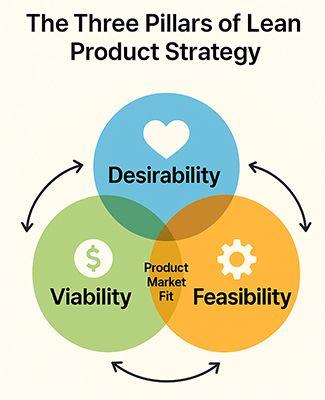
FinTech SaaS Provider

5 Industry-Specific AI Solutions Transforming Businesses in 2024

Artificial Intelligence (AI) is revolutionizing businesses across various industries, offering innovative solutions that enhance efficiency, accuracy, and productivity. This transformative technology has the potential to reshape the way industries operate and deliver their services. In this article, we will explore five industry-specific AI solutions that are shaping the business landscape today.Understanding the Role of AI in Modern BusinessBefore delving into the industry-specific applications of AI, it is essential to grasp the overall significance of this technology in the modern business landscape. AI systems are designed to replicate human intelligence, enabling machines to perform tasks that traditionally required human intervention.At the intersection of AI and business, there are numerous opportunities for organizations to leverage this technology for strategic advantage. AI systems can analyze vast amounts of data, identify patterns, and generate insights that drive informed decision-making. Furthermore, AI-powered automation can streamline mundane and repetitive tasks, freeing up human capital to focus on more strategic and creative endeavors.The Intersection of AI and BusinessThe integration of AI into various domains of business is transforming traditional operational models across industries. This technology is bolstering organizations’ ability to make data-driven decisions, enhance customer experiences, and optimize processes.AI algorithms enable businesses to mine valuable insights from immense data sets. By analyzing customer behavior, purchasing patterns, and market trends, organizations can tailor their offerings to meet specific demands. This data-driven approach empowers businesses to personalize their marketing strategies, optimize pricing, and improve customer retention, consequently boosting revenues.Moreover, AI is revolutionizing customer experiences by enabling businesses to provide personalized recommendations and support. Through natural language processing and machine learning, AI-powered chatbots can engage with customers, understand their preferences, and offer tailored solutions. This not only enhances customer satisfaction but also reduces response times and increases operational efficiency.The Evolution of AI in Business OperationsIn recent years, AI has rapidly advanced and matured, making it an indispensable tool for optimizing business operations. From supply chain management to quality control, AI is revolutionizing how businesses operate.In manufacturing, AI-powered robots are increasingly being deployed to automate production processes. Through machine learning, these robots can learn from past experiences, improve operational efficiency, and minimize errors. This leads to faster production cycles, reduced costs, and improved product quality.Similarly, AI is making substantial waves in the finance industry. Banks and financial institutions are leveraging AI algorithms for risk assessment and fraud detection. By analyzing vast amounts of data and patterns, AI can identify potential fraudulent activities and improve security.Furthermore, AI is transforming supply chain management by optimizing inventory management, demand forecasting, and logistics. By analyzing historical data and real-time information, AI systems can predict demand patterns, optimize inventory levels, and streamline the delivery process. This not only reduces costs but also enhances customer satisfaction by ensuring timely deliveries.The integration of AI into modern business operations has the potential to revolutionize industries across the board. From enhancing decision-making to improving customer experiences and optimizing processes, AI is reshaping the way businesses operate. As this technology continues to evolve, organizations that embrace AI stand to gain a significant competitive advantage in the ever-changing business landscape.AI in Healthcare: Revolutionizing Patient CareAI is transforming the healthcare industry, fundamentally changing the way patient care is delivered. From predictive analysis to medical imaging, this technology is reshaping healthcare processes and improving patient outcomes.One of the key areas where AI is making a significant impact is in predictive analysis in healthcare. AI algorithms are revolutionizing the way healthcare providers predict and prevent diseases much earlier than traditional methods. By analyzing vast amounts of patient data and medical history, AI systems can identify subtle patterns and risk factors that might go unnoticed by human practitioners. This proactive approach not only helps save lives but also reduces healthcare costs by mitigating the impact of chronic illnesses.AI and Predictive Analysis in HealthcareAI algorithms are helping healthcare providers predict and prevent diseases much earlier. By analyzing patient data and medical history, AI systems can identify patterns and risk factors, enabling doctors to develop personalized treatment plans. This proactive approach helps save lives and reduces healthcare costs by mitigating the impact of chronic illnesses.Another area where AI is revolutionizing healthcare is in medical imaging and diagnostics. Medical imaging plays a crucial role in diagnosing diseases and guiding medical procedures. AI-powered imaging systems are capable of analyzing medical images with exceptional accuracy, assisting radiologists in detecting even the most subtle abnormalities and making more precise diagnoses. This technology has the potential to not only improve diagnostic accuracy but also to reduce human error and enhance overall patient care.AI in Medical Imaging and DiagnosticsMedical imaging plays a vital role in diagnosing diseases and conducting medical procedures. AI-powered imaging systems can analyze medical images with exceptional accuracy, assisting radiologists in detecting abnormalities and making more accurate diagnoses. This technology has the potential to improve diagnostic accuracy, reduce human error, and enhance patient care.AI in Retail: Personalizing the Shopping ExperienceIn the retail industry, AI is transforming the shopping experience by personalizing recommendations and optimizing inventory management.Artificial Intelligence (AI) has become a game-changer in the retail sector, revolutionizing the way businesses interact with customers and manage their operations. By harnessing the power of AI, retailers can delve deep into consumer behavior patterns, preferences, and purchase history to offer personalized shopping experiences like never before.AI in Inventory ManagementAI-powered systems can analyze historical sales data, market trends, and customer preferences to forecast demand accurately. This enables retailers to optimize their inventory levels, prevent stockouts, and minimize waste. By maintaining optimal stock levels, businesses can enhance customer satisfaction, reduce costs, and maximize profits.Moreover, AI algorithms can also help retailers identify slow-moving products, seasonal trends, and even anticipate future demand spikes. By leveraging this predictive analysis, retailers can make informed decisions about their inventory, pricing strategies, and marketing campaigns, ultimately leading to increased operational efficiency and profitability.AI and Customer Experience EnhancementAI-powered chatbots and virtual assistants are revolutionizing customer support and engagement in retail. Retailers are leveraging these AI systems to provide personalized recommendations, answer customer queries, and handle complaints. By enhancing the customer experience, AI technologies can improve customer satisfaction and loyalty.Furthermore, AI-driven customer service solutions can offer round-the-clock support, instant responses, and seamless interactions, leading to enhanced customer engagement and retention. By integrating AI into their customer service operations, retailers can create a more efficient and personalized shopping journey for each customer, ultimately driving sales and brand loyalty.AI in Manufacturing: Streamlining Production ProcessesIn the manufacturing industry, AI is revolutionizing the way production processes are streamlined, efficiency is increased, and product quality is ensured. By harnessing the power of artificial intelligence, manufacturers are able to achieve new levels of precision and optimization in their operations.AI in Quality Control and AssuranceOne of the key areas where AI is making a significant impact is in quality control and assurance. The implementation of AI systems in manufacturing processes has led to the development of automated visual inspection systems that are powered by advanced algorithms. These systems have the capability to detect even the most minute defects in real-time, ensuring that only products of impeccable quality make their way to the market. This not only helps in reducing costs associated with defective products but also plays a crucial role in enhancing customer satisfaction and bolstering brand reputation.Moreover, AI-driven quality control processes are constantly evolving, with machine learning algorithms continuously learning and adapting to new challenges. This adaptive nature of AI systems ensures that manufacturers can stay ahead of the curve and maintain high standards of quality in an ever-changing market landscape.AI in Supply Chain ManagementAnother area where AI is proving to be a game-changer in the manufacturing sector is supply chain management. AI-powered systems are enabling businesses to optimize their logistics operations with unprecedented efficiency. By analyzing a myriad of factors such as demand forecasting, transportation costs, and supplier performance, AI algorithms can generate insights that help in optimizing route planning and inventory allocation. This level of optimization not only helps organizations in minimizing costs and reducing delivery times but also plays a pivotal role in enhancing overall customer satisfaction. This proactive approach to supply chain management is reshaping the industry by enabling manufacturers to operate with agility and resilience in the face of unforeseen challenges.AI in Finance: Automating and Securing TransactionsThe finance industry is witnessing a significant transformation with the advent of AI, automating transactions and enhancing security.Assessment and Fraud DetectionAI algorithms offer significant advancements in risk assessment and fraud detection in the finance sector. By analyzing vast amounts of financial data and patterns, AI systems can identify potential risks and fraudulent activities in real-time. This enhances security, protects customers’ financial interests, and ensures regulatory compliance.AI in Personalized Banking ServicesAI-powered virtual banking assistants are enabling personalized and convenient banking experiences for customers. These virtual assistants can handle routine banking tasks, offer financial advice, and provide personalized recommendations based on individual financial goals. This technology is revolutionizing the way people interact with banks, making financial services more accessible and user-friendly.Conclusion:The future of business is unquestionably powered by AI. This transformative technology isn’t just a buzzword; it’s a game-changer that empowers organizations to revolutionize every facet of their operations – from customer experience and decision-making to streamlining processes and optimizing efficiency.Aziro (formerly MSys Technologies): Your Partner in AI-Driven SuccessAt Aziro (formerly MSys Technologies), we understand the immense potential of AI and are dedicated to helping businesses unlock its transformative power. We offer a comprehensive suite of cutting-edge AI solutions, tailored to meet the specific needs of each industry and organization.Our proven expertise in various AI domains, including machine learning, natural language processing, and computer vision, allows us to deliver solutions that boost productivity, enhance security, and unlock unprecedented levels of efficiency.Ready to unlock the potential of AI for your business? Contact us today and embark on your journey towards AI-driven success.

Aziro Marketing

blogImage

The Five Pillars of Successful Digital Transformation: Your Key to Business Growth in 2024

Forget clinging to outdated methods! In today’s lightning-fast business landscape, the key to survival and success lies in embracing digital transformation (DX). Digital transformation is a game-changer that can help businesses transfigure their operations, processes, and customer experience through technology. However, to truly thrive in this new digital era, businesses need to take a holistic approach that addresses crucial pillars driving this transformation.This article delves deep into the five essential pillars that underpin successful digital transformation, providing valuable insights and actionable strategies for organizations of all sizes. By understanding and implementing these guiding principles, you can unlock new opportunities, enhance efficiency, and propel your business towards a brighter digital future.Pillar 1: Cultivating a Culture of Innovation and Continuous LearningThe foundation of any successful digital transformation initiative lies in fostering a culture of innovation and continuous learning. This means fostering an environment where:Employees are encouraged to embrace change, experiment, and learn from failures.Open communication and cross-functional collaboration are prioritized.Agile methodologies and an iterative approach to problem-solving are adopted.Investment is made in employee training and development programs to equip them with the necessary digital skills.Building an innovation mindset involves creating a safe space for exploration, encouraging open communication of ideas, and celebrating successes and learning opportunities. This fosters a sense of ownership and engagement, motivating employees to actively contribute to the transformation process.Pillar 2: Customer-Centricity: Putting the Customer at the CoreDigital transformation must be driven by a deep understanding of customer needs and aspirations. This necessitates:Leveraging data analytics to gain insights into customer behavior, preferences, and pain points.Adopting customer-centric design thinking to develop solutions that truly address unfulfilled needs.Creating omnichannel experiences that seamlessly integrate across physical and digital touchpoints.By prioritizing customer needs throughout the transformation process, organizations can build stronger customer loyalty, improve brand perception, and drive sustainable growth.Pillar 3: Embracing New TechnologiesStaying ahead in the digital age requires embracing emerging technologies that have the potential to revolutionize business processes and unlock new opportunities. Some key areas to consider include:Artificial intelligence (AI) and machine learning (ML): For automating tasks, gaining predictive insights, and improving decision-making.Internet of Things (IoT): For collecting real-time data from connected devices to optimize operations and enhance customer experiences.Cloud computing: For increased scalability, flexibility, and cost-efficiency.Blockchain: For enhancing security and transparency in data management.Carefully evaluating the potential of various technologies and implementing them strategically can provide a significant competitive edge. However, it’s crucial to avoid getting caught up in the hype and focus on technologies that align with your specific business goals and resources.Pillar 4: Streamlining Processes and Automation: Enhancing Efficiency and ProductivityDigital transformation offers a chance to rethink and optimize existing business processes. This includes:Identifying and eliminating repetitive, manual tasks.Automating workflows wherever possible to improve efficiency and free up human resources for higher-level activities.Leveraging digital tools and platforms to simplify processes and enhance data management.Streamlined and automated processes lead to increased productivity, reduced operational costs, and improved accuracy and consistency. However, it’s essential to carefully consider the potential impact on jobs and ensure that the transition to new processes is managed effectively.Pillar 5: Data-Driven Decision MakingData is the fuel that drives successful digital transformation. This necessitates:Building a robust data infrastructure capable of collecting, storing, and analyzing large volumes of data.Developing data governance strategies to ensure data quality, security, and compliance.Investing in data analytics tools and expertise to extract meaningful insights from data.By leveraging data-driven insights, businesses can make informed decisions regarding various aspects of their operations, including marketing strategies, product development, and resource allocation. This empowers organizations to adapt to changing market dynamics and achieve sustainable growth.ConclusionDigital transformation is not a singular event, but rather a continuous journey of adaptation and evolution. By embracing the five pillars outlined above, organizations can cultivate a culture of innovation, prioritize customer needs, leverage emerging technologies, streamline processes, and utilize data effectively. This holistic approach equips businesses to reimagine their future, enhance competitiveness, and thrive in the digital age.

Aziro Marketing

EXPLORE ALL TAGS
2019 dockercon
Advanced analytics
Agentic AI
agile
AI
AI ML
AIOps
Amazon Aws
Amazon EC2
Analytics
Analytics tools
AndroidThings
Anomaly Detection
Anomaly monitor
Ansible Test Automation
apache
apache8
Apache Spark RDD
app containerization
application containerization
applications
Application Security
application testing
artificial intelligence
asynchronous replication
automate
automation
automation testing
Autonomous Storage
AWS Lambda
Aziro
Aziro Technologies
big data
Big Data Analytics
big data pipeline
Big Data QA
Big Data Tester
Big Data Testing
bitcoin
blockchain
blog
bluetooth
buildroot
business intelligence
busybox
chef
ci/cd
CI/CD security
cloud
Cloud Analytics
cloud computing
Cloud Cost Optimization
cloud devops
Cloud Infrastructure
Cloud Interoperability
Cloud Native Solution
Cloud Security
cloudstack
cloud storage
Cloud Storage Data
Cloud Storage Security
Codeless Automation
Cognitive analytics
Configuration Management
connected homes
container
Containers
container world 2019
container world conference
continuous-delivery
continuous deployment
continuous integration
Coronavirus
Covid-19
cryptocurrency
cyber security
data-analytics
data backup and recovery
datacenter
data protection
data replication
data-security
data-storage
deep learning
demo
Descriptive analytics
Descriptive analytics tools
development
devops
devops agile
devops automation
DEVOPS CERTIFICATION
devops monitoring
DevOps QA
DevOps Security
DevOps testing
DevSecOps
Digital Transformation
disaster recovery
DMA
docker
dockercon
dockercon 2019
dockercon 2019 san francisco
dockercon usa 2019
docker swarm
DRaaS
edge computing
Embedded AI
embedded-systems
end-to-end-test-automation
FaaS
finance
fintech
FIrebase
flash memory
flash memory summit
FMS2017
GDPR faqs
Glass-Box AI
golang
GraphQL
graphql vs rest
gui testing
habitat
hadoop
hardware-providers
healthcare
Heartfullness
High Performance Computing
Holistic Life
HPC
Hybrid-Cloud
hyper-converged
hyper-v
IaaS
IaaS Security
icinga
icinga for monitoring
Image Recognition 2024
infographic
InSpec
internet-of-things
investing
iot
iot application
iot testing
java 8 streams
javascript
jenkins
KubeCon
kubernetes
kubernetesday
kubernetesday bangalore
libstorage
linux
litecoin
log analytics
Log mining
Low-Code
Low-Code No-Code Platforms
Loyalty
machine-learning
Meditation
Microservices
migration
Mindfulness
ML
mobile-application-testing
mobile-automation-testing
monitoring tools
Mutli-Cloud
network
network file storage
new features
NFS
NVMe
NVMEof
NVMes
Online Education
opensource
openstack
opscode-2
OSS
others
Paas
PDLC
Positivty
predictive analytics
Predictive analytics tools
prescriptive analysis
private-cloud
product sustenance
programming language
public cloud
qa
qa automation
quality-assurance
Rapid Application Development
raspberry pi
RDMA
real time analytics
realtime analytics platforms
Real-time data analytics
Recovery
Recovery as a service
recovery as service
Retail
rsa
rsa 2019
rsa 2019 san francisco
rsac 2018
rsa conference
rsa conference 2019
rsa usa 2019
SaaS Security
san francisco
SDC India 2019
SDDC
security
Security Monitoring
Selenium Test Automation
selenium testng
serverless
Serverless Computing
Site Reliability Engineering
smart homes
smart mirror
SNIA
snia india 2019
SNIA SDC 2019
SNIA SDC INDIA
SNIA SDC USA
software
software defined storage
software-testing
software testing trends
software testing trends 2019
SRE
STaaS
storage
storage events
storage replication
Storage Trends 2018
storage virtualization
support
Synchronous Replication
technology
tech support
test-automation
Testing
testing automation tools
thought leadership articles
trends
tutorials
ui automation testing
ui testing
ui testing automation
vCenter Operations Manager
vCOPS
virtualization
VMware
vmworld
VMworld 2019
vmworld 2019 san francisco
VMworld 2019 US
vROM
Web Automation Testing
web test automation
WFH

Real People, Real Replies.
No Bots, No Black Holes.

Big things at Aziro often start small - a message, an idea, a quick hello. A real human reads every enquiry, and a simple conversation can turn into a real opportunity.
私たちと一緒に始めましょう

Phone

Talk to us

+1 844 415 0777

Email

Drop us a line at

info@aziro.com

Got a Tech Challenge? Let’s Talk