Articles Updates

Uncover our latest and greatest product updates
blogImage

What Exactly Is Product Management?

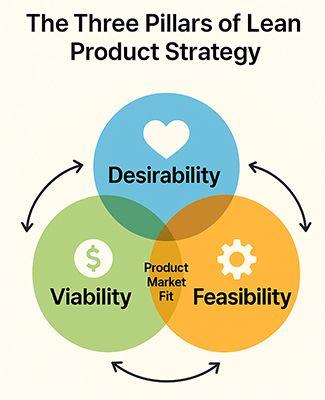
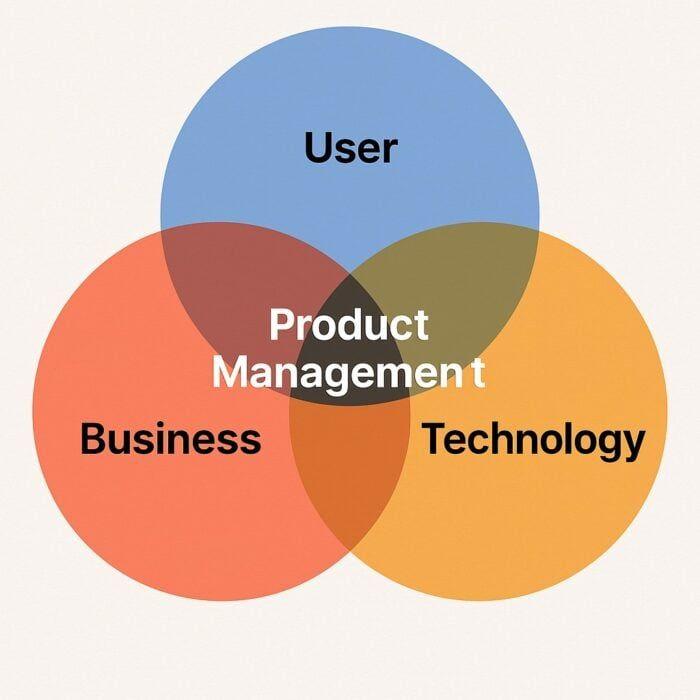
It’s Not About Features, It’s About Outcomes. Imagine you’re on a road trip, and your GPS takes you on a scenic route that’s 30 minutes longer than the usual path. You arrive delighted — breathtaking views, unexpected adventure, a journey that felt tailored for you. Now imagine if the GPS had simply barked “turn left” and “turn right,” ignoring traffic, road conditions, or your preferences. Same destination, very different experience.That’s product management in a nutshell. It’s not about ticking off features. It’s about creating experiences that delight users, drive business growth, and leverage technology to solve real problems.Myth-Busting: PM ≠ Project ManagementMany still confuse product management with project management. They sound similar, but the focus couldn’t be more different:Project Managers are like orchestra conductors — ensuring every section plays in harmony, delivering projects on time, within scope, and on budget.Product Managers are like composers — defining the melody, crafting the score, and ensuring the music resonates with the audience.As Marty Cagan puts it in Inspired, the PM’s role is to discover products that are valuable, usable, and feasible, then work with teams to deliver them. Project management is building the car on time. Product management is making sure it’s the right car to build.The Sweet Spot: Where Business, Users, and Technology MeetA PM operates at the intersection of three worlds:User Needs → What problems are we solving, and how are we making lives better?Business Goals → Does this product drive growth, revenue, or retention?Technical Feasibility → Can we realistically build and scale this with available tech and resources?From Outputs to OutcomesHere’s where many teams get it wrong: measuring success by features shipped, instead of problems solved.Case Study 1: FintechA fintech app launched 15 shiny new features in one year 🚀 — but adoption flatlined 📉 because they never solved the real pain point: failed transactions.Lesson: More features ≠ more value.Case Study 2: Slack (SaaS)Slack gained 8,000 users in 24 hours of its beta launch. Why? It solved a deep team communication gap with elegance and focus. No gimmicks, just clarity.Lesson: Solve real pains → adoption follows naturally.Case Study 3: Amazon (E-commerce)Amazon didn’t obsess over feature parity with competitors. Instead, it built one-click checkout, Prime, and personalized recommendations — relentlessly reducing friction.Lesson: Customer obsession beats feature chasing.Case Study 4: Airbnb (Consumer App)Airbnb wasn’t just about beds. It created a sense of belonging by designing for trust and community. From host reviews to immersive experiences, PM decisions fueled a global movement.Lesson: Experiences > transactions.The Product Management Process: A Continuous CyclePM is not a linear checklist — it’s a loop of discovery and learning:Discovery → Research, personas, Jobs to Be DoneStrategy → Define vision, goals, market positioningPrioritization → Balance impact vs. effort with RICE, KANO, or similar frameworksExecution → Collaborate with design, engineering, QAMeasurement → Track DAU, retention, churn, NPSIteration → Learn, adjust, evolveThe Skills That MatterGreat PMs don’t just manage backlogs — they influence without authority. They need:Empathy → Deeply understand user needsEmpathy means going beyond surface-level feedback to grasp the emotions, motivations, and challenges of users. When you truly understand their perspective, you can design solutions that feel intuitive and impactful.Strategic Thinking → Connect the dots between market, product, and businessStrategic thinking is about seeing how customer needs, market shifts, and business objectives align. It ensures that every product decision contributes to both immediate impact and long-term growth.Communication → Translate across tech, business, and customersStrong communication bridges the gap between technical teams, business leaders, and customers. It makes complex ideas clear and actionable for all stakeholders, ensuring alignment and trust.Data Fluency → Use evidence to guide choices, not gut instinct aloneData fluency means using analytics, metrics, and research to make smarter decisions. It reduces reliance on assumptions and ensures strategies are backed by real-world evidence.Adaptability → Stay resilient in shifting marketsAdaptability allows teams to respond quickly to new challenges and changing priorities. It’s about embracing change as an opportunity rather than resisting it as a threat.As McKinsey puts it, strong PMs act as “mini-CEOs of the product”Why Product Management Matters More Than EverIn today’s fast-paced, tech-driven world, PM isn’t optional. Companies that get it right can:Drive growth through innovation and customer delightStay ahead by solving real problems, not chasing vanity featuresBuild products loved — and advocated for — by millionsThose that miss the point? They burn energy in the “feature factory,” shipping more but changing little.Wrapping Up(and What’s Next)So, what exactly is product management? It’s the art and science of creating value where user needs, business goals, and technical feasibility intersect. It’s not about ticking features off a roadmap. It’s about asking, “What changed for the user because of what we built?” That’s the mindset shift. And this is just the beginning.In the next post of Beyond the Backlog, we’ll tackle the feature factory trap — why teams confuse features with strategy, and how to break free.Stay tuned …Article written by Deep Verma | Exploring product management beyond the backlogFollow the series: #BeyondTheBacklog | #AziroOnProducts

Aziro Marketing

blogImage

Building Trust in Embedded Finance: Best Practices for Ensuring Security and Data Privacy

IntroductionEnter the world of embedded finance, where FinTech and digital banking collide to create a technological symphony that’s as mesmerizing as a perfectly choreographed dance. As more and more consumers seek the convenience and seamlessness offered by embedded finance, companies must take on the role of guardians, ensuring the security, privacy, and trustworthiness of their services.The future of financial services is embedded and distributed. This means that banks are not only competing with each other but also with other digital companies in the space, such as FinTechs.Embedded finance has rapidly gained traction due to its seamless financial solutions. However, this convenience comes with its own set of challenges, including ensuring the security and privacy of financial transactions. These challenges can pose a significant threat to the trustworthiness of embedded finance partnerships.In this blog, we’ll explore the role of best practices in building trust in embedded finance partnerships, including cybersecurity solutions, risk management strategies, and compliance with regulatory requirements. By implementing these practices, businesses can strengthen their relationships, build a more secure financial ecosystem, and increase consumer confidence in embedded finance solutions.So, tighten your seatbelts and get ready to embark on a journey through the ever-evolving landscape of embedded finance, where the melody of technology and the rhythm of trust dance in perfect harmony.Bet Your Business on Trust: The Critical Currency for Embedded Finance SuccessTrust is a critical component of embedded finance. It’s also vital for digital banking, payment processing, and consumer protection.The Harvard Business Review published research that supports the idea that employees working in high-trust companies have better work experiences. According to the study, these workers report a 106% increase in energy levels, a 74% reduction in stress levels, 76% more engagement, and 50% higher productivity compared to those in low-trust organizations.Bill Gates, the co-founder of Microsoft and a tech visionary, once said that the key to the advancement of technology is its seamless integration into everyday life.Embedded finance, which involves integrating traditional financial services or tools within a non-financial business’s infrastructure, is a prime example of this philosophy.However, Gates also recognizes the importance of partnerships in driving technological innovation. He stated, “Our success has been based on partnerships from the beginning.” In the embedded finance world, trust between non-financial businesses and third-party technology providers is essential for a fruitful collaboration.But how can this trust be built and maintained?The best way to build trust in this environment is by providing consumers with safe, secure products that enhance their financial literacy and deliver innovative, risk-reducing features rather than relying on traditional bank marketing tactics such as advertising campaigns or loyalty programs.The challenges pose a significant threat to the trustworthiness of embedded finance partnerships. Therefore, it’s crucial to implement the best practices for ensuring security and data privacy. By doing so, businesses can reinstall the trust factor and create a symbiotic relationship between the financial and non-financial partners.A reliable way to inspire trust within your organization is by being transparent about your actions and why. This means sharing all information related to data privacy practices with your customers. Hence, they understand how their personal information will be used and stored by you—as well as how it can be accessed or disclosed by third parties involved in the transaction process (such as payment processors). Risk Management for Dummies: Empowering Users with Secure Embedded Finance In today’s digitalized world, providing safe and secure products is crucial for building trust in embedded finance partnerships. Businesses can achieve this by offering innovative products that enhance financial literacy and reduce customer risks. Doing so can strengthen their relationships with customers, build a more secure financial ecosystem, and increase consumer confidence in embedded finance solutions.An example is Robinhood, a popular investment app. Robinhood provides educational content on financial literacy, making it easy for novice investors to learn about the stock market and make informed investment decisions. By offering financial education, Robinhood builds trust with its customers and empowers them to take control of their finances.Fortifying Embedded Finance: Data Shielding a Critical Step for Embedded Finance PartnershipsBy implementing best practices for security and data privacy, companies can establish themselves as trusted partners in the embedded finance space. Such best practices include advanced security measures, fraud detection and prevention systems, and transparency in data privacy practices. These measures protect customer data and instill confidence in the partnership between financial and non-financial partners.One example of a company implementing best practices for security and data privacy is Square. The mobile payments company has prioritized protecting its customers’ data by using advanced security measures, such as encryption and tokenization, to safeguard sensitive information. Additionally, Square has developed a robust fraud detection and prevention system to ensure the security of its transactions. By implementing these best practices, Square has been able to establish itself as a trusted partner in the embedded finance space.Another company that has demonstrated a commitment to security and data privacy is PayPal. The digital payments giant has implemented a variety of measures to protect its customers’ information, including two-factor authentication, encryption, and anti-fraud monitoring. In addition, PayPal provides its customers with transparency into its data privacy practices, which has helped to build trust and establish its reputation as a reliable partner.The importance of implementing best practices for ensuring security and data privacy cannot be overstated. Not only does it protect customers’ information, but it also helps to build trust between the financial and non-financial partners involved in embedded finance partnerships. This trust is crucial for creating a symbiotic relationship that benefits everyone involved.Best Practices for Ensuring Security and Data Privacy in Embedded FinanceIf you’re working in the embedded finance space, it is essential to understand how trust affects your organization. Trust is critical to the success of any business relationship. It can help you build new relationships and foster existing ones, ultimately leading to more growth for both parties involved.Embedded finance has revolutionized financial services, making them accessible to everyone. However, this innovation comes at a price – the risk of cyber-attacks. Here are a few remediation strategies:Safeguarding Data through Appropriate Security LayersCybercriminals are always on the lookout for new ways to exploit financial services, which puts the embedded finance industry at risk.In the embedded payments space, the attack surface is rapidly expanding, with IDC predicting that 74% of online consumer payments globally will be conducted via non-financial institutions’ platforms by 2030.Embedded finance technology providers must safeguard their data by implementing appropriate security layers to gain customers’ trust. This includes two-factor authentication, GDPR compliance, internal data protection policies, and achieving ISO accreditations.The Power of ISO 27001The ISO 27001 standard for information security is an excellent example of how an organization can protect its information systematically and cost-effectively.Third-Party Technology Providers Offer Compelling BenefitsWhile building an embedded finance solution in-house is possible, the challenges are significant. These challenges include costs, time to market, regulatory requirements, and opportunity costs. Therefore, partnering with a third-party technology provider can be a better option. Established third-party technology providers have experience integrating creative financial services into their partners’ end experiences, offering compelling benefits such as reduced costs and ongoing development and support.Apple is a prominent example of a company that prioritizes transparency in data privacy practices. The tech giant has implemented several features that allow users to control their personal data, including limiting app access to certain data types, such as location or contacts. Apple also requires apps to provide a privacy policy that outlines how they collect and use user data.Another example is the online retailer Amazon. The company has implemented strict data privacy measures to protect customer information, including two-factor authentication, encryption, and regular security audits. Amazon also allows customers to view and control their data through their account settings, giving them greater transparency and control.Mastercard is a leader in transparency and data privacy practices in the financial industry. The company has implemented a set of principles for data responsibility that focus on putting customers first, respecting privacy, and ensuring security. Mastercard also works with third-party providers to ensure they adhere to the same standards of data responsibility.Moreover, implementing transparency in data privacy practices benefits more than just customers. It also helps businesses build trust with third-party providers, such as payment processors or other financial institutions. Finally, by being open about their data privacy practices, companies can show that they take the security of their customer’s data seriously, making them more attractive partners for other companies in the industry.Technical Element of Partnering with a Technology ProviderPartnering with a technology provider also brings application programming interfaces (API) into focus. API integrations enable faster, cost-effective, and more secure service enhancements. For example, a tech-led embedded finance partner specializing in developing sophisticated APIs that allow rapid deployment can save time and money.Alignment of Vision and ObjectivesTo ensure success, both parties must be aligned with each other’s business objectives, committed to delivering the product accordingly, and flexible enough to allow changes during the partnership. Failure to cooperate and achieve strategic synergy could result in wasted time and money, leaving the business unable to fulfill its objectives.Reputation, Case Studies & Vendor SelectionThe reputation of an established technology provider with a strong track record is essential when choosing a vendor. Case studies of successfully embedded finance integrations should form part of the vendor selection process, demonstrating value creation and increased revenue for existing partners. The selection process must carefully consider the options available, as this is a long-term investment in a meaningful partnership.Embedded finance is a leap into the unknown for non-financial organizations. Choosing the right vendor is crucial to ensure success from a security, technical, reputational, and strategic perspective. Therefore, businesses must carefully consider their options before making an informed decision.FinTech Innovations Enhance Trust in Embedded FinanceFinTech innovations can help build community trust by protecting consumers, increasing overall financial literacy, and providing innovative, risk-reducing features.FinTech is an ecosystem that includes digital payment systems and other services that make it easier to use cashless payments. It also allows people to open bank accounts electronically through mobile devices or computers rather than in person at banks.The FinTech industry has grown exponentially over the past decade due to technological improvements and the need for more convenient transactions without visiting a traditional financial institution (FIO).Digital banking solutions can help build community trust by protecting consumers, increasing financial literacy, and providing innovative, risk-reducing features.Digital solutions are an essential part of any modern-day economy. They allow businesses to run efficiently while also providing convenience for consumers who want to use their phones or tablets as a way to manage their finances. But there’s still a lack of trust in the digital world where data privacy is concerned—and it may be because you don’t understand how your bank handles sensitive information like passwords and PINs when you make purchases online through your browser (or even when visiting ATMs).ConclusionThe next step is to ensure your company is doing everything possible to build trust. You can start by paying attention to what your customers say about your business and how they feel about it. Then, look at how you interact with them: do you follow up on calls or respond quickly? Are you consistent in how you communicate with them? These are all critical factors when thinking about building trust within communities.At Aziro (formerly MSys Technologies), we pride ourselves on being the ultimate financial architects who work tirelessly to create bespoke financial solutions for each client. With a sheer focus on optimizing agility, access, accuracy, and availability, we infuse our technical ingenuity into every project we undertake. With our core values of scalability, cost-effectiveness, flexibility, and fault tolerance, we lay a strong foundation for your financial fortress built to withstand the tests of time and any challenges thrown at it.Like a castle, our solutions are built with precision and power, crafted to perfection to cater to your unique needs. With Aziro (formerly MSys Technologies) as your partner, you can be confident that your financial empire will be unmatched in quality, resilience, and durability. So, don’t settle for mediocrity. Embrace meritocracy and embark on a journey to build an invincible financial fortress with Aziro (formerly MSys Technologies) to withstand the tests of time assuredly and changing landscapes of finance.

Aziro Marketing

blogImage

Introduction To Virtualization and Resource Management in IaaS

The Rise of Resource OvercommitmentIn this world of constant digitization, the rise of large-scale cloud computing has given the users a choice to receive computing resources on-demand and with flexible pricing models. The cloud vendors pool in their massive hardware resources to provide virtual machines on top of it to its users. “Resource overcommitment” is best used to make use of the resources present in a virtualized cloud infrastructure. But what exactly is “Resource overcommitment”? In general terms, it is the allocation of more virtual resources to a machine or a group of machines than are physically present.As most applications will never use all the resources allocated to them at all times, most of the resources provided by a provider will remain idle without “overcommitment.” Therefore, this approach is less wasteful and more profitable. Also, other than the public cloud offerings such as Microsoft Azure and Amazon Web Services, organizations of today are virtualizing their IT infrastructures to create private clouds. Although private clouds may have less strict SLAs, it still needs resource scheduling to improve the performance of virtual machines. Hence, overcommitment without resource management might lead to poor performance.Virtualization in IaaSIaaS or Infrastructure as a Service is driven by one of the critical technologies known as Virtualization. It enables multiple operating systems with different configurations to run on a physical machine at the same time.A software layer called virtual machine monitor (VMM) or hypervisor is required to run the virtual machines on a system. This hypervisor controls all the hardware resources and can take resources from one VM to give them to another. The hypervisor manages the state of all the VMs at all times. It does so by catching all the privileged directions implemented by the guest VM and copying the resource they access. The hypervisor is also responsible for emulating all the hardware devices and implementing suitable resource isolation between multiple machines operating on the corresponding physical machine.Source: Virtualization TechnologyTypes of VirtualizationBased on how they trap the privileged directions given by the guest kernel, there are primarily three techniques utilized for virtualization.Complete Virtualization with Binary Translation. In this method, the user-mode code operates directly on the CPU without any translation. The non-virtualizable directions in the guest kernel-code are transcribed on the fly-to-code, which has the intended impact on the virtual hardware.Hardware-driven Full Virtualization. The hardware vendors have developed new features to support virtualization and make virtualization simpler. AMD-V and Intel VT-x are two such technologies developed by AMD and Intel to provide specific directions in their ISA (Instruction Set Architecture) for virtual machines and a new ring privilege level for VM. Sensitive and privileged calls are set up to automatically trap the VMM, eliminating the need for either paravirtualization or binary translation. It also has a modified MMU with support for tagged TLBs and multi-level page tables.Paravirtualization. This approach needs modification of the guest kernel. The non-virtualizable/privileged directions in the guest kernel source code are replaced with hypercalls that directly call the hypervisor. The hypervisor presents hypercall interfaces for kernel operations such as interrupt handling, memory management, and communication to devices. It varies from full virtualization, where the unmodified guest kernel is utilized, and the guest OS is not aware that it is operating in a virtualized environment.Virtualization Benefits for IaaSVirtualization presents numerous benefits other than just resource isolation. This makes it a driving technology behind IaaS success. Here are a few benefits of virtualization:It offers the capability to treat disks of a virtual machine as files which can be snapshotted for quick backup and restore.Virtual machines can be easily relocated or migrated if the physical machines require maintenance or develop some failure.Ease in expanding the resource capacity (RAM or CPU cores) of the machine at runtime by CPU or memory hotplug.It presents the ease of creation of new machines and deployment of applications via pre-built images of the filesystem of the machine.As the hypervisor emulates hardware resources, there is an opportunity for overcommitment of CPU and memory resources.Resource Management in IaaSResource management is an indispensable way to make use of the underlying hardware of the cloud effectively. A resource manager oversees physical resources allocation to the virtual machines deployed on a cluster of nodes in the cloud. Also, the resource management systems have differing purposes depending upon the requirements.Using physical machines reduces operational costs and can be accomplished through the overcommitment of resources. However, resource overcommitment comes with new challenges such as removal of the hotspot and the dilemma of where to schedule new incoming VMs to reduce the chances of the hotspot. For example: if the total capacity of the virtual machines operating on a physical machine is more than the full capacity of the physical machines, a situation may appear where the VMs might want to use a sum total of more resources than that are currently present. Not meeting those resource specifications can lead to violation of SLAs and poor performance of the VMs. This situation is called a hotspot. Source: Resource Management in IaaSMitigating the Challenge of HotspotLive migration and memory ballooning of VM help in minimizing hotspots. Ballooning can be used if a VM is low on memory to take away some memory from one guest on the same host, which has some free memory, and provide it to the needy guest. But, if none of the guests have enough free memory, then most of the time, the host is overloaded. In that case, a guest has to be migrated from the current host to a different host while keeping an account of the complete load of the cluster.Final ThoughtsThis article gives a fair insight into the different technologies behind IaaS in cloud computing and how they are used. Resource overcommitment helps in making use of the hardware effectively, but resource management is necessary for overcommitment to work. However, there are numerous problems and challenges related to resource management and virtualization in IaaS, but a conscious approach along with proper research can empower us to reap the benefits of IaaS.

Aziro Marketing

blogImage

Navigating the Digital Frontier: The Imperative of a Chief Digital Officer in FinTech

Genesis Prelude “The world of finance is a rollercoaster ride, and we’re all strapped in for the journey.” Amidst the ever-shifting tides of financial technology, companies navigate a treacherous sea of challenges while also glimpsing the distant shores of opportunity. As digital transformation continues to reshape the industry, FinTech companies must adapt quickly to stay competitive. One key strategy for success is to onboard a Chief Digital Officer (CDO) – a visionary leader who can drive innovation, optimize digital processes, and unlock new growth opportunities. The Rise of the Chief Digital Officer: An Ascent Worth the Celebratory Hype? “From obscurity to prominence in record time, the CDO’s ascension is swift and meteoric.” The CDO is a relatively new addition to the C-suite, but the role has quickly gained traction in recent years. According to a study by PwC, the number of companies with a CDO has more than quadrupled since 2014. This trend is particularly pronounced in the financial services sector, where digital transformation is a top priority. So what exactly does a CDO do? “So what’s a CDO’s job, you ask? In short, it’s all about turning yesterday’s business into tomorrow’s game changer.” In essence, the CDO is responsible for driving digital innovation and transformation across the organization. This includes developing and executing a digital strategy, optimizing digital channels and processes, and leveraging emerging technologies such as artificial intelligence and blockchain. The CDO also plays a critical role in fostering a culture of innovation and agility. By breaking down silos and promoting collaboration across teams, the CDO can help the organization respond more quickly to changing market conditions and customer needs. Vitality of Digital Transformation in FinTech “In FinTech, digital transformation isn’t just about staying ahead of the curve; it’s about avoiding being run over by it.” For FinTech companies, digital transformation is not just a nice-to-have – it’s a matter of survival. As customer expectations continue to evolve and new competitors enter the market, FinTech companies must be able to innovate quickly and deliver seamless digital experiences. This requires a deep understanding of emerging technologies and how they can be applied to solve real-world problems. For example, artificial intelligence and machine learning can be used to improve fraud detection, personalize customer experiences, and automate complex processes. Blockchain technology can be used to increase transparency, reduce costs, and enable new business models. However, implementing these technologies is not a simple task. It requires a strategic approach that takes into account the unique needs and challenges of the organization. This is where the CDO comes in – by developing a comprehensive digital strategy and roadmap, the CDO can help the organization prioritize initiatives and allocate resources effectively. The Benefits of Having a Chief Digital Officer “A CDO is like having a secret weapon in your corner – one that can boost your customer experience, slash your costs, speed up your time-to-market, sharpen your decision-making, and lure top talent with a single glance.” Having a dedicated CDO can bring numerous benefits to a FinTech company. Here are just a few: Improved Customer Experience: By optimizing digital channels and processes, the CDO can help the organization deliver a more seamless and personalized customer experience. This can lead to increased customer satisfaction, loyalty, and advocacy.Increased Efficiency: The CDO can help the organization streamline processes and automate manual tasks, leading to increased efficiency and cost savings. This can free up resources to focus on higher-value activities such as innovation and customer service. Faster Time-to-Market: By fostering a culture of agility and innovation, the CDO can help the organization bring new products and services to market faster. This can give the company a competitive edge and help it capture new market opportunities. Better Decision-Making: The CDO can help the organization leverage data and analytics to make more informed decisions. By providing real-time insights into customer behavior and market trends, the CDO can help the organization stay ahead of the curve and respond quickly to changing conditions. Attracting Top Talent: Having a dedicated CDO can help the organization attract top talent, particularly in areas such as data science, artificial intelligence, and blockchain. By demonstrating a commitment to digital innovation, the organization can position itself as an employer of choice for the best and brightest minds in the industry. The Challenges of Implementing a Chief Digital Officer “From navigating the waters of digital transformation to becoming a trailblazing game changer, the CDO’s voyage is peppered with challenges. Yet those who master both the art of technology integration and human capital development will undoubtedly leave an indelible mark!” While the benefits of having a CDO are clear, implementing this role can also come with challenges. Here are a few key considerations: Finding the Right Fit: The CDO role requires a unique combination of technical expertise, business acumen, and leadership skills. Finding a candidate with the right mix of skills and experience can be challenging, particularly in a competitive job market. Aligning with Business Strategy: The CDO must work closely with other members of the executive team to ensure that digital initiatives are aligned with overall business strategy. This requires strong communication and collaboration skills, as well as a deep understanding of the company’s goals and priorities. Managing Change: Implementing a digital transformation strategy can be disruptive to an organization’s existing processes and culture. The CDO must be able to manage change effectively, communicating the benefits of digital transformation and securing buy-in from stakeholders at all levels of the organization. Balancing Short-Term and Long-Term Goals: The CDO must balance the need for short-term wins with the long-term vision for digital transformation. This requires a strategic approach that prioritizes initiatives based on their potential impact and feasibility. Measuring Success: Measuring the success of digital initiatives can be challenging, particularly when it comes to intangible benefits such as customer satisfaction and brand loyalty. The CDO must develop clear metrics and KPIs to track progress and demonstrate the value of digital transformation to the organization. The Future of the Chief Digital Officer Role “Technology may be the engine that powers digital transformation, but it’s the CDO’s ability to steer the cultural ship that ensures a smooth journey towards success.” As digital transformation continues to shape the FinTech industry, the role of the CDO will only become more critical. Here are a few key trends to watch: Increased Specialization: As the field of digital transformation becomes more complex, we may see the emergence of specialized CDO roles focused on specific areas such as data analytics, artificial intelligence, or blockchain. Greater Collaboration: The CDO will need to work closely with other members of the C-suite, particularly the Chief Information Officer (CIO) and Chief Technology Officer (CTO), to ensure that digital initiatives are aligned with overall IT strategy and infrastructure. Expanded Scope: The CDO role may expand beyond the traditional boundaries of digital transformation to encompass broader areas such as innovation, customer experience, and corporate strategy. Emphasis on Soft Skills: As the CDO role evolves, there will be a greater emphasis on soft skills such as leadership, communication, and change management. These skills will be critical for driving cultural change and securing buy-in from stakeholders across the organization. Last Word Symphony “Implementing a CDO role is a challenge? More like a walk in the park for FinTech companies that don’t want to bother with digital transformation.” In today’s fast-paced and highly competitive FinTech landscape, having a dedicated Chief Digital Officer is no longer a luxury – it’s a necessity. By driving digital innovation, optimizing processes, and fostering a culture of agility, the CDO can help FinTech companies stay ahead of the curve and unlock new growth opportunities. Of course, implementing a CDO role is not without its challenges. It requires finding the right candidate, aligning digital initiatives with business strategy, managing change effectively, and measuring success. But for FinTech companies that are willing to invest in this critical role, the benefits can be significant. As the FinTech industry continues to evolve, the role of the CDO will only become more important. By staying ahead of the latest trends and technologies, collaborating closely with other members of the C-suite, and focusing on delivering value to customers, the CDO can help FinTech companies thrive in the digital age. So if you’re a FinTech company looking to stay competitive in today’s rapidly changing landscape, it’s time to consider onboarding a Chief Digital Officer. With the right leadership and strategy in place, you can unlock the full potential of digital transformation and drive long-term success for your organization. Embracing Aziro (formerly MSys Technologies) as a trusted partner in their journey, organizations can tap into a treasure trove of knowledge and guidance, empowering them to navigate the intricate labyrinth of digital transformation. With Aziro (formerly MSys Technologies) by their side, companies can confidently stride towards sustained growth and success within the dynamic FinTech landscape.

Aziro Marketing

blogImage

NVMe and Cloud Storage: The Fellowship Entrusted With The Powerful IoT

The journey of Mordor was never for the incautious. The all-powerful and omniscient Eye of Sauron could wreak havoc in split seconds, and fast decisions were to be made at that granularity. That is why Frodo Baggins, instead of going all alone, was accompanied by Samwise Gamgee, who stood up against all odds to make their journey worthwhile. If you’re wondering why an article about the Internet of Things lays out the plot for J. R. R. Tolkien’s Lord of the Rings, have faith because it will be worth it. Amidst his complex yet fantastic universe, Tolkien offered us a pearl of essential wisdom – Two is not just company, two is a team. Internet of Things has just begun unfolding its life-changing features. The smart speakers and the wifi-operated home devices are just the introductions to the disruptive changes that IoT would bring for the digital age. We’re talking complex surgeries, sensitive gas pipelines, air traffic control, and much, much more. Sooner or later, industries would be readily accepting IoT for its unparalleled offerings. This is possibly why the IDC report suggests that by 2025 an average connected person would be practically engaged in one interaction with an IoT device every 18 seconds! Therefore, the IoT data, which is most crucial for such far-reaching implications, cannot be left to be minded by just a singular storage and data management infrastructure. We need a Sam for when Frodo can no longer operate coherently. Fellowship for the ‘Things’ Based on the presently available scope for the Internet of Things, we have two main concerns regarding Data Management. Latency – As the performance granularity gets down to milliseconds, we would need as low latency as possible. The slightest delay in the decision, and we might find ourselves dealing with a global crisis. Durability – While scalable performance is indispensable, we would also need a durable infrastructure that could store the massive amounts of data (we’re easily talking zettabytes here) Cloud Storage is a powerful storage infrastructure for scalable data processing and persistence. However, the intense data processing situations that the IoT networks would be working with may cause network congestions while interacting with the clouds. This may lead to unaffordable delays, not to mention the risk for Stuxnet-level cyberattacks. On the other hand, the NVMe-based edge computing can easily interact with the IoT sensors and processors and provide them the required latency, but it would be a nightmare if chosen for ultimate data persistence. Alone, either of the architectures would ridiculously fail to serve the glorious purpose of IoT. However, together these two can provide the best ecosystem for Industrial Revolution 4.0. The Symbiotic Architecture The collection, management, and response of the data in real-time are all that IoT is about. In addition to that, we would also need a powerful architecture to make system-wide actions as and when needed. These are the grounds that project the necessity for the Cloud-Edge interdependence we talked about earlier. Cloud Storage, with its global connectivity and peer-to-peer architecture, can easily deploy high-volume data objects at the edge locations. Similarly, the NVMe-based edge devices can collect real-time actionable data from the IoT network and dump them on the cloud at regular intervals. We will now breakdown the utility of the system Data Collection The actionable data will be generated by devices like sensors that would essentially observe the behaviors like air traffic or pressure in gas pipelines. Such data cannot be trusted with the cloud because of network security and latency risks. Therefore the NVMe-edge layer would provide the necessary data collection hub with the required speed and scalability needed to make real-time decisions. With advantages like multipath I/O, multi-stream writes, and asynchronous events capture, NVMe serves as the best option for edge data collection and processing with just the right precision and efficiency. This architecture can also serve as temporary storage for the collected data before it is dumped at a more permanent location. Data Persistence Even if the cloud storage cannot provide the extreme processing speed and precision required by the IoT devices, it will still be needed to store the humongous data volumes that would be collected at the edge. Moreover, object storage is known for its scalability, durability, and availability. This means that once the data object are stored on the cloud, they can be computed for more long-term analysis and behaviors that would help the industries predict and avert macro-level threats and inconsistencies. The cloud architecture promises higher protection standards for the data owing to its backup automation and data recovery advantages. Data Visibility Finally, the analyzed data needs to be visualized and presented in structures that would help the organizations make important decisions for ongoing and future projects. For this, we would need a dashboard both at the edge as well as cloud networks. At the edge, the dashboards would ensure the autonomy of the IoT devices by taking appropriate actions in real-time. While at the cloud level, we can trust the dashboard to help us with system-wide alerts, important notifications, distributed data structures, and global data visibility. Final Thoughts As per a report, the global IoT market is almost certain to reach higher than US$13 billion by 2026. Even during the pandemic, we saw the inefficiency of healthcare infrastructure that can only be handled with technologies like Edge computing. Therefore, we need to start working towards an end-to-end architecture for incorporating the Internet of Things at the industrial level. This article aims at providing the basis for such architecture. One where different storage resources can come together to serve a greater purpose. Cloud storage and NVMe-based storage can be the Sam and Frodo we need for this arduous journey. Alone, they might not be enough, but together they can certainly defeat even the most powerful threats.

Aziro Marketing

blogImage

Paving the Way for Payment Innovation: The Top Trends Shaping the Next Generation of PayTech Services

Twirling the Wheel of Fortune for Business GrowthIntroductionPicture this: Technology and payments are like two horses yoked together, galloping toward the future. They’re a dynamic duo, moving forward not only in developed markets but also in emerging ones, where it’s crucial to have payment solutions that can reach the currently underbanked. This wild ride has led to the rise of PayTechs, a new player in the payments game that’s disrupting the traditional payments ecosystem with lightning speed. FinTechs have hopped on this bandwagon, leveraging their tech capabilities and customer-centric approach to expand into payments.The result?Users are now spoiled with fast, easy payment solutions catering to their needs. PayTechs are a sub-group of FinTechs that are hyper-focused on the payment value chain, including payment facilitators, PSPs, networks creating new payment propositions, and payment technology suppliers.However, that’s just the tip of the iceberg. PayTechs offer integrated payment solutions seamlessly embedded into the digital economy, catering to the growing appetite for hassle-free payments. Think contactless payments, mobile payments, e-wallets, and cryptocurrencies – all at your fingertips. PayTechs were quick to recognize that fast and frictionless payments offer a distinct competitive advantage in the digital world, and they’re taking full advantage of it.With payment security, blockchain, artificial intelligence, biometric authentication, IoT, open banking, real-time payments, cross-border payments, subscription billing, and payment gateway at their disposal, PayTechs are creating a dynamic and fast-moving payment landscape. So, hop on this payment rodeo, and let’s explore the latest payment innovations and trends shaping the next generation of PayTech services. This blog will discuss how you can leverage the latest payment innovation trends and technologies to drive business growth.Breaking the Mold: How PayTechs are Disrupting the Payments IndustryThe payments industry is undergoing a radical metamorphosis, with PayTechs leading the charge in shaking up the traditional payments landscape. They’re like the caterpillars of the payments world, turning into beautiful butterflies that offer fast, frictionless, and integrated payment solutions that cater to the needs of both consumers and merchants.Using cutting-edge technologies like blockchain, artificial intelligence, and biometric authentication, PayTechs are like mad scientists in their laboratories, concocting potions that make payments faster, more secure, and more convenient than ever before. They’re turning digital payments into the new gold standard.With the rise of digital payments, PayTechs are the architects of a new world where cash is obsolete. They’re like the builders of a new world, paving the way for a cashless future and transforming how we pay for goods and services. From mobile payments to e-wallets and contactless payments, PayTechs are alchemizing the payments industry, revolutionizing the status quo and driving it towards a new era of innovation and growth.A survey conducted by CB Insights and EY revealed that as of June 2022, PayTechs have proliferated to over 2400 globally, making up a quarter of all FinTechs. These high-tech payment facilitators have nestled themselves at the heart of the business world, driving the digital economy forward with a colossal market size of USD 240 tn.Elucidated in the words of Jeremy Balkin, Global Head of Innovation and Corporate Development, Payments at J.P. Morgan, “When you exchange data, you exchange value. When you exchange value, you’re making a payment. That’s why payments are eating the world.”Indeed, with the rise of the digital economy, customers’ hunger for seamless and swift payments is surging, and PayTechs is the key to satisfying this craving. Instead, they offer integrated solutions that cater to the needs of both customers and merchants.The Latest Primordial Payment technology trends shaping the PayTech Landscape ( Image Source: EY)PayTechs know that fast, frictionless, and embedded payments are the future, and they have been quick to seize the opportunity to stay ahead in the game. By providing innovative and convenient payment solutions, PayTechs are driving the evolution of the payments industry, and their impact on the growth and transformation of this realm is enduring.Revolutionary Trends Innovating Payments: What’s Next for PayTech Services?The payments industry is undergoing a revolution of all sorts, with PayTechs and other new entrants leading the charge of innovation and disruption. These dynamic and game-changing trends push banks and traditional payment providers to transform their approach and offer more than just payments. We’re excited about the future of PayTech services but recognize the challenges that lie ahead for banks and payment providers.Payment Services Providers (PSPs) are at the forefront of a revolution that’s changing the very landscape of commerce. As technology continues to evolve, so do consumers’ demands; and PSPs are constantly innovating to meet those demands. From contactless payments to mobile wallets, PSPs are redefining the way we pay for goods and services.PSPs are paving the way for a future where payment processing is seamless, secure, and instantaneous. They’re developing new payment channels, such as voice-activated payments, and new payment models, like pay-as-you-go plans.As the world becomes more digitized, PSPs find new ways to leverage technology to improve the payments experience. They’re using artificial intelligence and machine learning to enhance fraud detection and streamline payment processing.PSPs continue to push the boundaries of what’s possible in the payments industry. By collaborating with other stakeholders in the financial ecosystem, such as banks and FinTech startups, PSPs are driving innovation and shaping the next generation of payment services.As we navigate this ever-evolving landscape, we continue to ask better questions and challenge conventional wisdom to build a better working world for financial institutions and industry stakeholders alike.Riding high on the waves of innovation, let’s unravel an in-depth analysis of the trends shaping up and disrupting the PayTech landscape:1.PayTech’s Connection Revolution: Shaping the Future of Digital CommerceAs the digital economy grows, payment methods are becoming astoundingly faster, cheaper, and safer. Connected commerce is driving the transformation of the payments industry, and PayTechs are at the forefront of this change. Their innovative payment propositions are like digital bridges that connect merchants and consumers directly, creating a seamless payment experience. The future of PayTechs lies in their ability to create more efficient connections between businesses and their customers, leading to increased sales, improved customer satisfaction, and enhanced security.2.The Evolution of PayTechs Beyond TransactionsPayTechs are stepping up their game and going beyond transactions to offer customers a complete and seamless experience. By providing value-added services before and after payments, they’re becoming the go-to destination for all financial needs.With the rise of digital commerce, PayTechs are leveraging this trend to create personalized services catering to individual customer needs. For instance, some PayTechs now offer financial management tools, credit scoring, and loyalty programs to enhance the overall customer experience.Here are some examples of PayTechs that are offering value beyond payments:PayPal: PayPal has introduced a suite of financial wellness tools, including a budgeting tool and bill pay service, to help customers manage their money beyond just sending and receiving payments.Square: Square’s Cash App allows users to send and receive money and offers investment options, a cash card for everyday spending, and even a Boost program that discounts popular retailers.Klarna: Klarna, a Buy Now Pay Later (BNPL) service, has expanded its offerings to include shopping features like price-drop alerts and a loyalty program and payment services.These examples illustrate how PayTechs are moving beyond traditional payment processing and offering customers a wider range of services that can help improve their overall financial well-being.This approach has proved to be a game-changer, as PayTechs are shifting from just being transactional to providing a comprehensive suite of services to their customers.3.API Channels and Financial Super Apps: Open Banking is Revolutionizing PayTech ServicesThe rise of open banking has become a hot topic in the payments industry as it promises to be a real game-changer. Allowing customers to access banking capabilities and granting authorized third parties to connect merchants and customers directly creates new possibilities for faster, more secure, and cheaper payments that are convenient for customers.Open banking provides a compelling “pay by bank” option that makes transactions seamless and convenient for customers, thereby firmly putting control of data, identity, and payments in their hands. This trend has been accelerated by technology and public policy, making it a global phenomenon that is here to stay.According to Tom Pope, Head of Payments and Platforms at Tink, “Open banking adoption has really taken off this year. We should not lose sight of the enormous potential already within our grasp on the existing payment initiation service (PIS) and account information service (AIS) rails, from payments to onboarding to risk services. We are seeing huge improvements in connectivity performance in Southern and Eastern Europe and expect this to drive a new wave of consumer adoption in the short term. This is before, of course, the big leap forward in recurring payments enabled by VRP and SEPA Payment Account Access (SPAA), which are fast becoming reality.”Indeed, as the quote affirms, the increasing adoption of open banking and the potential of utilizing payment initiation services (PIS) and account information services (AIS) rails. The improved connectivity performance in Southern and Eastern Europe is expected to boost consumer adoption in the short term. Additionally, introducing variable recurring payments (VRP) and SEPA Payment Account Access (SPAA) will drive a significant leap forward in recurring payments. The quote suggests that open banking presents vast opportunities for the payments industry, and those who are quick to embrace the new technology will benefit immensely.In Europe, there are regulatory minimums on granting customer access to accounts, while in other regions like the US and Canada, banks are commercializing API channels. Meanwhile, financial super apps in parts of Asia offer deep integrations between financial and lifestyle brands, building extensively on APIs to drive seamless integration. Despite the regional differences, the overall direction of the industry is towards an opening up access and infrastructure, which supports customer choice.As PayTech services continue to evolve, open banking will undoubtedly become a vital component of the payments landscape, driving innovation and providing new possibilities for payment methods like variable recurring payments (VRP) that will benefit customers and merchants alike.4.The Synergy of RTR and Overlay Services: Powering the Future of PaymentsReal-Time Retail Payments (RTR) have become a buzzword in the world of PayTech, and for a good reason. RTR has the potential to revolutionize payment transactions, unlocking a plethora of innovative payment solutions and services. RTR allows transactions to be processed instantly, allowing customers to send and receive payments in real-time.One of the most significant advantages of RTR is that it allows all Payment Service Providers (PSPs) to provide better customer services through account-to-account (A2A) transactions. With RTR, all PSPs can offer their customers faster, cheaper, and more secure payment options, which is increasingly important in today’s fast-paced world.RTR is also significantly reinforced and accelerated by open banking. The combination of RTR and open banking has the potential to create a more connected and seamless payment experience for customers. Open banking enables PSPs to offer more personalized services and tailored payment options by providing access to customer data.With the adoption of RTR, the possibilities for innovation in PayTech are endless. It opens up new opportunities for payment solutions such as digital wallets, P2P payments, recurring payments, and more. For example, adopting RTR has led to the development of “Request-to-Pay” services. Customers can easily initiate payment requests from their mobile devices, making it easier to pay bills or split costs with friends and family.Here are some more examples to illustrate how RTR and overlay services are powering the future of payments:Faster and more convenient payments: With the adoption of RTR and overlay services, PSPs can offer customers faster and more convenient payment options. For example, payment providers can leverage RTR to facilitate real-time transactions between bank accounts, while overlay services can provide additional features like payment reminders, customizable payment options, and more.Increased competition and innovation: The combination of RTR and overlay services drives increased competition and innovation in the payments industry. New entrants are leveraging these technologies to offer innovative payment services that challenge traditional players in the market. This competition is driving down costs and improving the quality of payment services for consumers.Improved security and fraud prevention: RTR and overlay services are helping to improve security and prevent fraud in the payments industry. Real-time payment processing and additional security measures offered by overlay services are helping to prevent fraudulent transactions and protect consumer data.Greater financial inclusion: RTR and overlay services are also helping to promote greater financial inclusion by providing consumers with more options for accessing financial services. For example, low-cost overlay services can help underbanked and unbanked consumers gain access to financial services that they may not have been able to access otherwise.Brace yourselves for the future of payments! The journey of RTR and overlay services has been a rollercoaster of innovation that will keep the payments industry on the edge for years to come.5.From E-Commerce to Everywhere: How Embedded Payments are Revolutionizing Customer JourneysThe rise of e-commerce, platforms, and marketplaces has paved the way for a new player in the payments space: non-financial service providers. These providers are integrating payments into customer journeys, creating a seamless and frictionless experience for consumers. With embedded payments, payments become more invisible, allowing customers to pay without even realizing they are doing so.As embedded payments continue to scale, the opportunities for innovation are endless. For example, social media platforms like Instagram and Facebook are already testing embedded payment features that allow users to purchase products without leaving the app. Similarly, smart speakers like Amazon Echo and Google Home are expected to become key channels for voice-enabled payments, creating new opportunities for integrating payments into the home environment.Furthermore, as embedded payments become more mainstream, payment providers must focus on creating APIs and SDKs that are easy to integrate with third-party applications. This will allow non-financial service providers to easily integrate payments into their existing customer journeys without developing their own payment infrastructure.From shopping to booking a ride, embedded payments are taking over our daily routines and revolutionizing the payments industry. This opens up an entirely new world of opportunities for both financial and non-financial service providers to disrupt the payment landscape and create innovative customer experiences. As embedded payments continue to become more seamless and integrated, payment providers must keep up with the pace and adapt their strategies to stay ahead of the game. The future of payments lies in the hands of those who can innovate and meet the demands of the ever-evolving market.6.The Rise of PayFacs: Disrupting the Payment EcosystemThe emergence of PayFacs is like a bolt of lightning that has struck the payments industry, fundamentally changing the way businesses, acquiring banks, and card networks work together. With PayFacs, businesses can easily set up a merchant account and start accepting payments without the need for complicated processes and long waiting times. The rise of innovative PayFacs is set to revolutionize the payments landscape, making it more accessible and seamless for businesses and consumers alike.PayFacs have been gaining momentum in recent years, with the likes of Square, Stripe, and PayPal leading the charge. By providing a single platform for merchants to accept payments, manage their transactions and access valuable data insights, PayFacs are streamlining the payments process and lowering the barrier to entry for businesses of all sizes.New PayFac ecosystems are emerging and revolutionizing the PayTech industry by acquiring banks and collaborating with card networks. Along with this transformation, radical data monetization opportunities and unique customer offerings will be explored. These innovative PayFacs are providing secure storage, management, and utilization of consumer and merchant data generated through payment transactions, making it possible to extract valuable insights and drive growth.The rise of PayFacs is also putting pressure on traditional acquiring banks and card networks to adapt to the changing payments ecosystem. With the ease and convenience offered by PayFacs, businesses are increasingly opting for these innovative solutions over traditional merchant accounts. As a result, acquired banks and card networks are being forced to reevaluate their business models and find new ways to stay relevant in a rapidly evolving industry.7.The Cryptocurrency Overhaul: Paving the Way for Instant Settlement and Programmable PaymentsThe rise of digital currencies is set to shake up the payments industry as we know it. Cryptocurrencies are no longer just an alternative payment method; they offer a whole new infrastructure for instant settlement and programmable payments.With the advent of distributed ledger technology (DLT), transactions can be processed in real time without intermediaries such as banks or payment processors. The programmable nature of cryptocurrencies allows for the creation of smart contracts, enabling automated payments based on predefined conditions.Tokenization, which represents digital assets as tokens, also opens up new possibilities for asset ownership and transfer. With all these innovations, the future of payments looks more decentralized, transparent, and efficient.8.The Guardians of Payment Security: Blockchain, AI, Biometrics, and IoT Shaping the ChessboardAs the payment industry evolves, security remains a top priority. With the rise of FinTech and digital payments, new technologies such as blockchain and artificial intelligence (AI) are being used to secure transactions. Blockchain technology, for instance, provides a decentralized ledger that enables secure and transparent transactions, while AI can help detect and prevent fraud.In addition to these emerging technologies, biometric authentication and the Internet of Things (IoT) are also transforming payment processing. Biometric authentication, such as facial recognition and fingerprint scanning, is increasingly being used to verify a customer’s identity, providing an added layer of security. Meanwhile, the IoT allows for seamless payment processing through connected devices such as wearables and smart speakers, making payments quick and convenient.Here are some real business use cases:a)Payment security and blockchain Ripple: The blockchain-based payment platform Ripple uses its proprietary XRP cryptocurrency to facilitate cross-border payments, which are faster and more secure than traditional methods. The platform partners with over 300 financial institutions worldwide, including Santander and American Express.BitPay: BitPay is a payment service provider that enables merchants to accept bitcoin and other cryptocurrencies as payment. Its platform uses blockchain technology to ensure secure and fast transactions. b)Biometric authentication and IoT in payment processing Amazon Go: Amazon Go is a chain of convenience stores that uses a combination of sensors, cameras, and machine learning algorithms to enable “just walk out” shopping. Customers can simply scan their Amazon Go app at the entrance, pick up the items they want, and walk out without paying at a traditional checkout. The payment is automatically deducted from their Amazon account.Mastercard: Mastercard has introduced biometric payment cards that use fingerprint authentication to authorize transactions. The cards have an embedded fingerprint sensor, eliminating customers needing to enter a PIN or sign a receipt. Mastercard is working with several banks, including Absa Bank in South Africa and Eurobank in Greece, to roll out the technology.As payment fraud becomes more sophisticated, the industry will need to keep pace with new and emerging security technologies. The guardians of payment security must remain vigilant and adapt to new threats to ensure the safety and security of payment transactions for consumers and businesses alike.How FinTech and Digital Payments Steer the CourseThe payment landscape has rapidly evolved with the introduction of FinTech and digital payments. Traditional payment methods have become a thing of the past, and a new era of innovative payment services has emerged. The need for secure, fast, and convenient payment options has driven this change.FinTech and digital payments have revolutionized the payment process and transformed the entire financial industry. With the introduction of mobile payment apps, payment gateways, and digital wallets, customers can now make payments on the go, from anywhere, anytime. This has brought convenience to customers and streamlined the payment process for businesses.Furthermore, digital payments have also opened new doors for financial inclusion. The rise of mobile payments has made it possible for people in remote areas to have access to financial services. This has increased financial literacy and created new opportunities for businesses to tap into new markets.Here are a few examples illustrating how payment services are evolving with the advent of FinTech and digital payments:Mobile payment apps: FinTech companies like PayPal, Venmo, and Cash App have introduced mobile payment apps that allow users to send and receive money quickly and easily. These apps have become increasingly popular among younger generations, who prefer the convenience of digital payments over traditional payment methods.Mobile payment apps: FinTech companies like PayPal, Venmo, and Cash App have introduced mobile payment apps that allow users to send and receive money quickly and easily. These apps have become increasingly popular among younger generations, who prefer the convenience of digital payments over traditional payment methods.Contactless payments: With the COVID-19 pandemic accelerating the shift away from cash, contactless payments have become more popular. Payment service providers like Visa and Mastercard have introduced contactless payment options, such as tap-to-pay cards and mobile wallets, which allow users to make purchases without physically touching a payment terminal.Blockchain and cryptocurrency: Blockchain technology and cryptocurrencies like Bitcoin and Ethereum are disrupting the traditional payment landscape by offering a decentralized, secure, and transparent payment system. Companies like Ripple are leveraging blockchain technology to enable faster, cheaper, and more secure cross-border payments.Open banking: As discussed above, the rise of open banking has created new opportunities for payment service providers to offer innovative payment solutions. By sharing customer data securely and efficiently, open banking has enabled the development of new payment models, such as account-to-account payments and peer-to-peer transfers.The introduction of FinTech and digital payments has also spurred the growth of payment infrastructure and systems. New payment platforms are being developed, and existing ones are being upgraded to meet the market’s growing demands. As a result, the payment systems have become more secure, fast, and efficient, ensuring that transactions are processed seamlessly.In ConclusionAs we draw the curtains on this payment innovation extravaganza, we can see that the path ahead is paved with new opportunities for businesses looking to ride the waves of change. The next generation of PayTech services is rapidly shaping the future of the payments industry, with a focus on improving customer experiences, increasing security, and unlocking new monetization opportunities.Just as a skilled surfer catches the perfect wave, leveraging the latest PayTech services can help businesses ride the waves of payment innovation and achieve their goals of growth and success.At Aziro (formerly MSys Technologies), we understand the importance of staying ahead of the curve in the constantly evolving payments landscape. Whether you’re an ISV looking to optimize your payment services or a large enterprise seeking to leverage the latest payment innovations, Aziro (formerly MSys Technologies) is here to add value to your journey toward payment transformation.With our cutting-edge, end-to-end full-stack FinTech services, we offer businesses a unique value proposition that is tailor-made for their specific needs. Our subscription billing and payment gateway solutions are like the sails on a ship, providing the necessary wind to propel businesses forward in their payment journey.Our 2500+ FinTech experts guide businesses toward the best solutions for their payment needs, spearheading innovation, technological ingenuity, security, and customer intimacy & satisfaction with skill and assurance.Join forces with Aziro (formerly MSys Technologies) to blaze a trail toward payment success and get the wheel of fortune twirling in your favor! We are your seasoned, trusty beacons to navigate the brighter horizons of the ever-evolving PayTech landscape with ease and confidence.

Aziro Marketing

blogImage

Predictive Analytics in 2024: Your Quick Guide to Achieving Growth

Explore the future of predictive analytics in 2024 and unlock the potential for business growth and success.In today’s rapidly evolving business landscape, staying ahead of the competition requires strategic decision-making based on accurate and timely information. This is where predictive analytics comes into play. By harnessing the power of data analytics and advanced analytics techniques, predictive analytics provides businesses with invaluable insights and predictions that enable them to make proactive decisions and achieve growth and success. What is Predictive Analytics? Before diving into the intricacies and potential of predictive analytics, it’s important to grasp the essence of this powerful tool. It is the branch of advanced analytics that uses historical data, statistical algorithms, and machine learning techniques to analyze and predict future outcomes and trends. It goes beyond traditional descriptive analytics that focus on understanding what has happened in the past, instead focusing on what can happen in the future.The Concept of Predictive AnalyticsPredictive analytics begins with the understanding that historical data can provide valuable insights into future outcomes. By examining past patterns and trends, predictive analytics algorithms can identify hidden correlations and make accurate predictions. For example, a retailer can use this technique to forecast sales for a specific product based on previous sales data, market trends, and external factors.The Evolution of Predictive Analytics Initially limited to a few pioneering organizations, predictive analytics is now widely adopted across industries. One of the key drivers behind this evolution is the increasing availability of data and advancements in computing power. With the advent of big data and cloud computing, businesses can now leverage vast amounts of data and process it in real-time to generate accurate predictions and recommendations.Moreover, it has also benefited from the development of more sophisticated algorithms and models. As data scientists and analysts continue to refine their techniques, the accuracy and reliability of predictive analytics have greatly improved. This has opened up new possibilities for businesses, allowing them to make data-driven decisions with confidence.The application of predictive analytics has expanded beyond sales forecasting. It is now being used in various domains, such as healthcare, finance, and marketing. In healthcare, it can help identify patients at risk of developing certain diseases, enabling early intervention and personalized treatment plans. In finance, predictive analytics can assist in detecting fraudulent activities and optimizing investment strategies. In marketing, predictive analytics can analyze customer behavior and preferences to create targeted campaigns and improve customer retention.As the field of predictive analytics continues to evolve, new challenges and opportunities arise. Ethical considerations, such as privacy and bias, need to be addressed to ensure responsible use of predictive analytics. Additionally, the integration of predictive analytics with other emerging technologies, such as artificial intelligence and Internet of Things, holds the potential to unlock even greater insights and possibilities.The Role of Predictive Analytics in Business Growth Source: CIOPredictive analytics plays a crucial role in driving business growth by empowering organizations to make data-driven decisions. Let’s explore two key areas where predictive analytics can have a significant impact:Enhancing Decision Making with Predictive AnalyticsTraditional decision-making often relies on gut feelings or incomplete information. Predictive analytics changes this by providing decision-makers with actionable insights derived from data analysis. Businesses can make informed decisions and optimize their strategies for maximum growth by predicting customer behavior, market trends, and demand patterns,Predictive analytics can also assist in resource allocation and budget planning. Organizations can allocate resources more efficiently by forecasting future trends and outcomes, ensuring that investments are made in areas that will yield the highest returns. This proactive approach to decision-making based on data-driven insights can give businesses a competitive edge in the market.Predictive Analytics for Risk ManagementRisk management is an essential aspect of any business strategy. Predictive analytics can help organizations identify and mitigate potential risks by analyzing patterns and anomalies in data. By predicting possible risks and their likelihood, businesses can take proactive measures to avoid or minimize their impact, thus safeguarding their growth and success.Furthermore, predictive analytics can also be utilized for fraud detection and cybersecurity. By analyzing historical data and identifying suspicious patterns, organizations can enhance their security measures and protect sensitive information from cyber threats. This proactive use of predictive analytics not only safeguards the business from financial losses but also helps in maintaining customer trust and loyalty.Predictive Analytics in Action: Transforming Industries Predictive analytics has become a game-changer across various industries, empowering organizations to make data-driven decisions that optimize processes, minimize risks, and unlock new opportunities. Here’s a closer look at how three leading companies leverage this powerful technology:Rolls-Royce: Soaring Efficiency and SustainabilityRolls-Royce, a titan in the aviation industry, has revolutionized engine maintenance with predictive analytics. By analyzing sensor data from aircraft engines in real-time, they can anticipate potential problems before they occur. This proactive approach translates to several benefits:Reduced Carbon FootprintBy pinpointing maintenance needs precisely, unnecessary engine overhauls are minimized, leading to a significant reduction in carbon emissions. This aligns perfectly with the growing focus on sustainable aviation practices.Optimized Maintenance SchedulesPredictive analytics allows Rolls-Royce to schedule maintenance interventions only when truly necessary. This not only minimizes downtime for airlines but also reduces overall maintenance costs.Extended Engine LifespanBy addressing minor issues before they escalate, Rolls-Royce ensures the longevity of their engines, leading to greater value for airline customers.DC Water: Saving the Drop, Saving the FutureThe District of Columbia Water and Sewer Authority (DC Water) is tackling the critical issue of water loss with the innovative use of predictive analytics. Their weapon of choice? A cutting-edge tool called Pipe Sleuth.Pipe Sleuth utilizes a deep learning neural network – a form of artificial intelligence particularly adept at image recognition. Here’s how it works:Automated Image AnalysisPipe Sleuth analyzes images captured during sewer pipe inspections. This eliminates the need for manual evaluation, saving time and resources.Advanced ClassificationThe AI model accurately classifies the condition of the pipes, identifying potential weaknesses or damage.Data-Driven Condition AssessmentBased on the analysis, Pipe Sleuth generates detailed reports that guide maintenance crews in prioritizing repairs and replacements. This targeted approach significantly reduces water loss while maximizing the efficiency of repair efforts.PepsiCo: Predicting Demand, Delivering SuccessIn the fast-paced world of consumer goods, staying ahead of stockouts is crucial. PepsiCo has harnessed the power of predictive analytics to transform its sales and supply chain strategies. Their secret weapon? The Sales Intelligence Platform (SIP).SIP integrates data from two key sources:Retailer Data: Real-time sales data from partner retailers provides insights into current stock levels and past sales trends.PepsiCo Supply Chain Data: Internal data on production, inventory, and delivery schedules provides a comprehensive picture of PepsiCo’s capabilities.By analyzing this combined dataset, SIP predicts potential stockouts before they happen. This allows PepsiCo to:Proactive ReplenishmentSales teams are alerted when a retailer is nearing out-of-stock, allowing them to initiate timely restocking procedures.Optimized Supply Chain ManagementSIP helps PepsiCo anticipate demand fluctuations and adjust production and logistics accordingly, minimizing disruptions and ensuring smooth product flow.Enhanced Customer SatisfactionBy preventing stockouts, PepsiCo ensures a positive customer experience for retailers and consumers alike.These are just a few examples of how predictive analytics is revolutionizing the business landscape. As technology continues to evolve, we can expect even more innovative applications that unlock the true potential of data-driven decision making.The Future of Predictive Analytics in 2024The field of predictive analytics is constantly evolving, driven by technological advancements and changing market dynamics. Here are some emerging trends and developments that are expected to shape the future of predictive analytics in 2024:Emerging Trends in Predictive AnalyticsOne of the key trends in predictive analytics is the integration of AI and machine learning algorithms. These technologies enable more accurate predictions by automatically detecting patterns and relationships in data. Additionally, advancements in natural language processing (NLP) and voice recognition open new opportunities for extracting insights from unstructured data sources, such as customer reviews and social media.Another significant trend in predictive analytics is the increasing focus on real-time analytics. With the rise of artificial intelligence and Internet of Things (IoT) devices and sensors, organizations are able to collect and analyze data instantaneously, allowing for quicker decision-making and more agile responses to changing market conditions.The Impact of AI and Machine Learning on Predictive Analytics AI and machine learning are set to revolutionize predictive analytics in the coming years. These technologies enable predictive models to continuously learn and adapt from new data, improving their accuracy over time. With AI-powered predictive analytics, businesses can unlock new levels of efficiency, automation, and personalization in their decision-making processes.Furthermore, the combination of Artificial Intelligence and predictive analytics is paving the way for more advanced use cases, such as predictive maintenance in manufacturing and predictive healthcare diagnostics. By leveraging the power of AI-driven predictive analytics, industries can optimize operations, reduce costs, and enhance customer experiences like never before.Implementing Predictive Analytics for Business Success While the potential of predictive analytics is vast, its successful implementation requires careful planning and execution. Here are a few steps to incorporate predictive analytics into your business:Predictive analytics is a powerful tool that can revolutionize the way businesses operate. By leveraging data insights to forecast trends, identify patterns, and make informed decisions, organizations can gain a competitive edge in today’s dynamic market landscape.Implementing predictive analytics involves a strategic approach that combines technology, data science, and business acumen to drive growth and profitability.Steps to Incorporate Predictive Analytics into Your Business Start by identifying the business areas that can benefit most from predictive analytics, such as sales forecasting, customer segmentation, or inventory management. Once identified, gather the relevant historical data and ensure its quality and consistency. Then, select the appropriate predictive analytics algorithms and tools based on your specific business needs and available resources. Finally, implement the chosen solution and continuously monitor and evaluate its performance to drive continuous improvement.Moreover, it is crucial to involve key stakeholders across different departments in the implementation process to ensure alignment with organizational goals and objectives. By fostering a data-driven culture within the company, employees can harness the power of predictive analytics to make strategic decisions that drive business success and innovation.Overcoming Challenges in Predictive Analytics Implementation Implementing predictive analytics may come with challenges such as data integration, privacy concerns, and the need for skilled data scientists. To overcome these challenges, it’s important to establish clear data governance practices, ensure data quality and security, and invest in the right talent and technologies. Collaborating with experienced partners and leveraging cloud-based analytics platforms can also provide valuable support in overcoming implementation hurdles.Furthermore, staying abreast of industry trends and advancements in predictive analytics is essential to stay ahead of the curve and maximize the benefits of this transformative technology. Continuous learning and adaptation are key components of a successful predictive analytics strategy, enabling businesses to evolve and thrive in an increasingly data-driven world.Measuring the Success of Predictive Analytics Source: Status NeoUltimately, the success of predictive analytics lies in its ability to deliver tangible business value. To measure this value, organizations can focus on key performance indicators (KPIs) directly influenced by predictive analytics. Some common KPIs include increased sales revenue, improved customer retention, reduced operational costs, and enhanced market share.Key Performance Indicators for Predictive Analytics When measuring the success of predictive analytics, it’s important to align KPIs with your business goals and objectives. For example, if your goal is to improve customer satisfaction, you can track KPIs such as customer churn rate, Net Promoter Score (NPS), or customer lifetime value. By monitoring these metrics over time, you can assess the impact of predictive analytics on your business performance.The ROI of Predictive Analytics in Business Return on Investment (ROI) is a critical factor when evaluating the value of predictive analytics. By comparing the costs of implementing and maintaining predictive analytics solutions with the benefits derived from improved decision-making, increased revenue, and reduced risks, organizations can assess the ROI of their predictive analytics initiatives.Wrapping Up Predictive analytics is a powerful tool that enables businesses to make informed decisions and achieve growth and success in an increasingly competitive business environment. By understanding the concept and evolution of predictive analytics, leveraging its role in business growth, embracing emerging trends, implementing it effectively, and measuring its success, organizations can unlock the full potential of predictive analytics and pave the way for a prosperous future in 2024.Make Smarter Business Decisions with Aziro (formerly MSys Technologies) Predictive Analytics Aziro (formerly MSys Technologies) Predictive Analytics Services can help your business harness the power of data and unlock a new era of success. Our team of data scientists and industry experts will work closely with you to:Identify your specific business challenges and opportunities.Develop a customized predictive analytics solution tailored to your needs.Implement the solution seamlessly into your existing workflows.Analyze the results and continuously refine your strategy for optimal performance.Don’t wait to gain a competitive edge in 2024. Contact Aziro (formerly MSys Technologies) today and schedule a free consultation to discuss how our predictive analytics services can transform your business.

Aziro Marketing

blogImage

Embracing the Future: Top 6 App Modernization Trends in 2024

Every industry is being forced to redesign its present processes and operational infrastructure as a result of the mix of new technology and constantly shifting market conditions. Despite this, the majority of businesses continue to concentrate on legacy applications, which ultimately results in potential losses.Relying on key apps that are supported by an on-premise dedicated infrastructure restricts your expansion and reduces the overall productivity of your firm. There are situations when it can even result in possible risks, data inconsistencies, and other deficiencies.The implementation of application modernization is a viable solution to the problem of such ineptitude. Organizations, today, strive to update their legacy applications to meet the demands of the modern business landscape. As we look towards the future, it is important to recognize the top trends that will shape app modernization in 2024. In this article, we will discover the top 6 app modernization trends that are shaping the future in 2024 and are set to revolutionize the way we develop and deploy applications.The Evolution of Cloud-Native ApplicationsOne of the most significant trends in app modernization is the rise of cloud-native applications. As organizations increasingly adopt cloud computing, there is a growing need for applications that are specifically designed to leverage the scalability and flexibility of the cloud. Cloud-native applications are built using microservices architecture, allowing for easy scalability, improved resilience, and faster time-to-market.By embracing cloud-native applications, organizations can harness the power of the cloud to drive innovation and achieve business goals more effectively. The shift towards cloud-native applications is expected to continue to gain momentum in 2024, as businesses recognize the value of this approach in today’s digital landscape.One key advantage of cloud-native applications is their ability to enable continuous integration and continuous deployment (CI/CD) practices. This means that developers can quickly and automatically test, build, and deploy code changes, leading to faster delivery of new features and updates. Additionally, cloud-native applications often utilize containerization technology, such as Docker or Kubernetes, to package and deploy software in a consistent and efficient manner.Furthermore, the adoption of cloud-native applications is not limited to new software development projects. Many organizations are also modernizing their existing legacy applications by refactoring them into cloud-native architectures. This process, known as application modernization, helps businesses unlock the full potential of their applications by making them more agile, scalable, and cost-effective in the cloud environment.Microservices Architecture: Breaking Down MonolithsIn the past, many organizations relied on monolithic applications to handle their business processes. However, with the increasing complexity and scale of applications, monolithic architectures have proven to be inflexible and difficult to maintain. Enter microservices architecture.Microservices architecture is a software development approach that breaks down applications into smaller, loosely coupled components called microservices. Each microservice is responsible for a specific function and can be developed, deployed, and scaled independently. This modular approach allows for greater flexibility, agility, and resilience.In 2024, we can expect to see more businesses embracing microservices architecture as they seek to break free from the limitations of monolithic applications. By adopting a microservices approach, organizations can unlock greater scalability, faster development cycles, and enhanced fault tolerance.One of the key advantages of microservices architecture is its ability to enable continuous delivery and deployment. With each microservice operating independently, updates and changes can be made to specific components without affecting the entire application. This results in faster time-to-market for new features and improvements, giving businesses a competitive edge in the rapidly evolving digital landscape.The decentralized nature of microservices allows development teams to work in parallel on different services, promoting collaboration and speeding up the overall development process. This distributed approach also enhances fault isolation, as failures in one microservice do not necessarily impact the entire system, ensuring greater reliability and uptime for critical applications.Embracing Serverless Computing for ScalabilityServerless computing is another trend that is set to revolutionize app modernization in 2024. With serverless computing, organizations can focus on writing code without worrying about the underlying infrastructure. This allows developers to build and deploy applications quickly and easily, with the ability to scale automatically based on demand.Serverless computing offers several benefits, including reduced costs, increased productivity, and improved scalability. By eliminating the need for server management, organizations can shift their focus towards delivering value to their customers.In the coming years, we can expect to see an increased adoption of serverless computing as businesses recognize the potential for cost savings and improved efficiency.One of the key advantages of serverless computing is its ability to handle sudden spikes in traffic without any manual intervention. This is particularly beneficial for applications that experience unpredictable usage patterns, as the infrastructure automatically scales up or down based on the workload. This dynamic scalability ensures that the application remains responsive and cost-effective, even during peak times.Furthermore, serverless computing promotes a microservices architecture, where applications are broken down into smaller, independent functions. This modular approach not only simplifies development and maintenance but also enhances the overall agility of the system. By decoupling different components, developers can work on them independently, leading to faster deployment cycles and improved innovation.The Rise of Artificial Intelligence in App ModernizationArtificial Intelligence (AI) is undoubtedly one of the most revolutionary technologies of our time. In app modernization, AI is set to play a vital role in enhancing user experiences, automating processes, and improving decision-making.AI-powered applications can analyze vast amounts of data, identify patterns, and generate actionable insights. This enables businesses to make data-driven decisions, personalize user experiences, and automate repetitive tasks.In 2024, we can expect to see AI being increasingly integrated into app modernization strategies. From chatbots and virtual assistants to predictive analytics and automated testing, AI will be at the forefront of innovation in app development.Enhancing Security Measures in Modern ApplicationsAs the threat landscape evolves, so too must our approach to application security. In 2024, we can expect to see a greater emphasis on building secure applications from the ground up.Modern applications need to be designed with security in mind, incorporating robust authentication mechanisms, encryption, and proactive monitoring. With the proliferation of data breaches and cyber attacks, organizations cannot afford to neglect security in their app modernization efforts.By prioritizing security in app development, businesses can protect their sensitive data, build trust with their customers, and ensure compliance with regulatory requirements.Leveraging DevOps Practices for Continuous IntegrationDevOps has transformed the way organizations develop and deploy applications. By breaking down silos between development and operations teams, DevOps promotes collaboration, automation, and continuous integration.In the world of app modernization, DevOps practices are essential for achieving faster time-to-market, improving code quality, and ensuring seamless deployment. By adopting DevOps principles, organizations can streamline their development processes, increase efficiency, and deliver value to their customers more rapidly.In 2024, DevOps will continue to be a key driver of app modernization, as organizations seek to create a culture of collaboration, automation, and continuous improvement.Containerization: Streamlining Deployment ProcessesContainerization has revolutionized the way applications are deployed and managed. With containers, organizations can package their applications and dependencies into lightweight, portable units that can run consistently across different environments.This enables faster and more reliable deployment processes, as containers ensure that applications are bundled with all the necessary dependencies, eliminating compatibility issues.In 2024, we can expect to see an increased adoption of containerization, as businesses realize the benefits of this approach in terms of agility, scalability, and resource utilization.Exploring the Impact of Edge Computing on App DevelopmentEdge computing is an emerging technology that brings computation and data storage closer to the edge of the network, reducing latency and enabling real-time processing of data. This is particularly relevant in scenarios where low latency and high bandwidth are critical, such as in IoT applications.Edge computing has the potential to transform app development by enabling real-time analytics, improving response times, and enhancing the overall user experience. In 2024, we can expect to see increased adoption of edge computing as organizations recognize the value of processing data closer to where it is generated.User-Centric Design Principles for Modern ApplicationsAs technology continues to advance, user expectations are also evolving. In app modernization, user-centric design principles are key to creating applications that deliver a seamless and intuitive user experience.Organizations need to focus on understanding their users’ needs, preferences, and pain points, and design applications that address these requirements. This involves conducting user research, creating user personas, and incorporating user feedback into the development process.In 2024, user-centric design principles will continue to be a driving force in app modernization, as businesses strive to create applications that delight their users and drive engagement.Navigating Data Management Challenges in Modernized AppsA crucial aspect of app modernization is managing and harnessing data effectively. With the increasing volume, variety, and velocity of data, organizations face challenges in terms of data integration, storage, and analysis.Data management strategies need to be designed to handle large volumes of data, ensure data integrity and privacy, and integrate with other systems and applications.Wrapping upIn 2024, we can expect to see a greater emphasis on data management in the world of app modernization, as organizations recognize the importance of data as a strategic asset.In conclusion, app modernization is an essential journey for organizations looking to stay competitive in a digital world. By embracing the future trends in app modernization discussed in this article, businesses can unlock the full potential of their applications and drive innovation. Whether it’s adopting cloud-native architectures, leveraging AI technologies, or embracing user-centric design principles, organizations need to stay ahead of the curve and embrace the future of app modernization.Aziro (formerly MSys Technologies) is your trusted partner in your app modernization journey. Our team of experts possesses the knowledge and experience to help you:Develop cloud-native applications that leverage the power of the cloud for scalability and efficiency.Refactor legacy applications into modern architectures for improved performance and maintainability.Implement DevOps practices to streamline your development process and accelerate time-to-market.Integrate AI and machine learning to enhance user experiences and automate tasks.Prioritize security to protect your data and ensure compliance with regulations.Contact Aziro (formerly MSys Technologies) today to discuss your app modernization needs and explore how we can help you achieve your digital transformation goals.Let’s build the future of your applications, together!

Aziro Marketing

blogImage

The Digital Finance 2.0: Transforming Cashless and Contactless Payments like a Phoenix

The Digital Finance 2.0: Transforming Cashless and Contactless Payments like a PhoenixIntroductionThe digital transformation in financial services is revolutionizing the way we handle payments. The advent of digital finance has led to a surge in cashless and contactless payments, with electronic and mobile payments taking the lead. This new era of payment innovation has brought about a shift in corporate payment trends, changing the traditional card swiping method to a touchless, no-touch, sleek, and hands-free experience.According to a report, as many as 1.3 billion people might switch to cashless transactions by the end of 2023, with mobile payments being a preferred choice.Source – https://www.pwc.com/This blog, ‘The Digital Finance 2.0: Transforming Cashless and Contactless Payments like a Phoenix,’ will delve into how digital finance 2.0 is transfrming the cashless and contactless payment realms, making individuals and businesses transact hassle-free and seamlessly.What Is Digital FinanceDigital finance refers to the use of technology and digital platforms for financial services and transactions. Cashless and contactless payments are the types of digital finance that enable consumers to make transactions without using physical cash or physical contact with payment terminals.Examples of cashless and contactless payments include mobile payments (e.g., Apple Pay, Google Pay), card payments (e.g., credit and debit cards), and electronic payments (e.g., PayPal). These payment methods are becoming increasingly popular due to their convenience, speed, and security.How The Digital Surge Is Reshaping FinanceThe digital finance revolution is modernizing and upgrading the traditional financial services industry. The rise of digital finance 2.0 is transforming payment trends and shaping the future of corporate payment practices. The payment industry is undergoing a digital transformation, with payment innovation and the cashless payments bank business model leading the way. The surge in digital finance is reshaping the financial services sector, with an increased focus on electronic payments, mobile payments, and card payments.The trend towards cashless societies and the decreasing reliance on card swiping drive the growth of touchless and no-touch hands-free payment methods. These modern payment options are helping to create a more seamless and efficient payment experience for consumers and are helping to usher in a new era of digital finance.Modernizing Money: The Emergence, Diversification & Phylogenesis of Digital Finance 2.0 into Cashless & Contactless PaymentsThe world of finance is undergoing a massive transformation, with the emergence of digital finance 2.0 leading the charge. The modern payment landscape is being shaped by the diversification and phylogenesis of digital finance into the cashless and contactless payments arena, shaping the future of finance as we know it.With the help of advanced technologies such as mobile payments, card payments, and electronic payments, consumers can now make transactions with ease, speed, and security. The diversification of digital finance has given rise to new and more efficient payment methods, and the industry has seen the growth of payment solutions that are tailored to the specific needs of different consumers and businesses.The shift towards digital finance and cashless and contactless payments has created a more seamless and efficient payment experience for consumers and has also brought about new opportunities for businesses in the payment industry. This new era of digital finance is providing financial services that are faster, more secure, and more accessible and is helping to create a more inclusive and equitable economic ecosystem for all.Let’s scrutinize several components of digital finance.1.Digital BankingDigital banking refers to using digital technology to provide banking services, such as online and mobile banking. With the proliferation of digital banking, the modern payment landscape is becoming increasingly cashless and contactless as consumers and businesses adopt more efficient and convenient payment methods. The use of digital technology in the banking sector has made it possible for banks to provide digital banking services such as online and mobile banking. In 2022, we witnessed incumbent banks taking the lead by launching their own digital banking subsidiaries or partnering with industry players, while challenger banks broadened their offerings from basic accounts and cards to credit, investment, insurance, and crypto services. Some prominent players are ANZ, ANT GROUP, Brex, Nubank, Standard Chartered, GxS, Capital bank, Revolut, and Bunq.In 2023, banks and credit unions continue to partner with FinTechs to revolutionize their digital services landscape, casting a positive impact on the cashless and contactless payments realm with the rise of mobile payments and electronic payment platforms, such as mobile wallets, QR code scanning, and touchless card payments. These payment options offer consumers and businesses faster, more secure, and more accessible transactions, making it easier to pay for goods and services without the need for physical cash.2.Digital InfrastructureDigital infrastructure refers to the technical systems and hardware that support digital finance. In the context of digital finance, it encompasses the technology and systems that allow financial transactions to be conducted electronically.The digital infrastructure improvement has led to an increase in cashless and contactless payments. Financial institutions have formed partnerships with core banking infrastructure providers such as SBM bank, Carbon, MAMBU, Tuum, Stripe, OPEN, LHV, Trust, Tonik, and Thought Machine to accelerate their shift to digital finance. These partnerships aim to streamline time-to-market for product launches and enhance customer experiences by utilizing modern banking technology. By improving the digital infrastructure, financial institutions offer their customers more efficient and convenient payment options.3.Digital PaymentsDigital payments refer to financial transactions that are conducted electronically using digital technology. Digital payments are a vital component that allows individuals and businesses to transact without needing cash.The advancement of digital payments has led to an increase in cashless and contactless transactions. The evolution of digital payments has included launching new payment types, such as person-to-person (A2A) payments, recurring payments, and cross-border payments. Businesses have also benefited from digital payment innovations, with the launch of efficient payment products for accepting and disbursing payments to employees and suppliers. By promoting digital payments, financial institutions are able to offer their customers more convenient and secure payment options. Some prominent examples of innovative payment products include Bizum, Cash App, N26, ABN-AMRO, Adyen, Starling Bank Solutions, Bexs, and YOUNITED.4.Digital LendingDigital payments and digital lending are related concepts in digital finance. Digital payments refer to financial transactions conducted electronically, while digital lending refers to providing credit and loans through digital channels.Digital lending has helped boost cashless and contactless payments by expanding the product offerings of digital banks. Digital banks have introduced various credit line options, such as loans, mortgages, buy now pay later (BNPL), and credit cards, to improve their unit economics and ensure profitability during economic uncertainty. Launching these credit products has made it easier for individuals and businesses to access credit and transact without the need for cash. These popular products include Tonik, Fiinu, TransUnion, Revolut, Atom bank, and JUNI. By offering these digital lending options, financial institutions provide their customers with more convenient and secure payment solutions.Cashless and Contactless Payments LandscapeCashless and contactless payments are payment methods that allow transactions to be made without physical cash or cards. The rapid evolution of digital finance 2.0 has driven the proliferation of cashless and contactless payments.Here is a table depicting different types of cashless and contactless payments and some examples of companies providing such services:Type of PaymentDescriptionCompanies Enabling Cashless & Contactless PaymentsMobile WalletA digital wallet stored on a mobile device, allowing users to make payments via their smartphonesApple Pay, Google Wallet, Samsung PayContactless CardA physical card with a chip that uses NFC technology to make paymentsMastercard, Visa, American ExpressOnline PaymentsPayments made through websites or mobile appsPayPal, Amazon Pay, StripeQR Code PaymentsPayments made through scanning QR codesAlipay, WeChat Pay, PaytmSource – https://tappit.com/Cashless and contactless payments are similar in that they both allow for transactions to be made without the use of physical cash. However, they have differences that make them distinct payment methods.Contactless payments, including online payments, are Open Loop Payment Systems that involve a third party, such as a bank or payment processor. On the other hand, cashless payment systems are Closed Loop Payment Systems that operate without any third-party intervention, with end users directly joining the scheme. Closed-loop payment systems give vendors ownership over the entire vendor/customer process, while open-loop techniques involve a third party in the payment process.Digital Finance 2.0 Gird: Challenges & Opportunities of Cashless and Contactless Payment SystemsConstantly evolving within the digital finance 2.0 grid, cashless and contactless payment systems offer challenges and opportunities for businesses as they navigate the rapidly changing payment landscape. The table below categorizes the different dimensions of challenges and opportunities of cashless and contactless payments. Aziro (formerly MSys Technologies) offers full stack-FinTech services to help businesses convert these opportunities into tangible business outcomes and overcome the challenges along the way.DimensionsChallengesOpportunitiesAziro (formerly MSys Technologies) Full stack-FinTech ServicesSecurityRisk of fraud and data breachesImproved security and efficiency through advanced technologies such as encryption and multi-factor authenticationFull stack-FinTech services to implement advanced security measures and technologies to minimize risks of fraud and data breaches. Helping organizations in improving security and efficiency by implementing advanced security measures and technologies, reducing the risk of fraud and data breaches, and providing a secure environment for financial transactions.Regular security assessments and audits to identify and remediate vulnerabilities.Continuous monitoring of security incidents and proactive response to potential threats.Training and awareness programs to educate employees and customers on security best practices.Encryption technologies like SSL/TLS, AES, RSA to secure data in transit and at rest.Multi-factor authentication (MFA) using technologies like biometrics, OTPs, and smartcards to enhance security.Firewall, intrusion detection, and prevention systems (IDS/IPS) protect against unauthorized access and cyber-attacks.Data loss prevention (DLP) solutions prevent sensitive information from being lost or stolen.Full-stack FinTech services to provide immutability and accountability in financial transactions.AccessibilityLack of widespread infrastructure and technologyIncreased accessibility for consumers, particularly for those without access to traditional banking servicesFull stack-FinTech services to expand and improve infrastructure and technology, increasing accessibility for consumers, particularly for those without access to traditional banking services, and providing a more inclusive financial services experience: Mobile technologies like native mobile apps, progressive web apps (PWAs), and SMS-based services reach customers regardless of location or device.Cloud computing provides scalability, availability, and accessibility to services and data from anywhere in the world.Artificial intelligence and machine learning to provide personalized and accessible financial services.APIs to enable integration with other systems and to allow third-party developers to build custom solutions.Design and development of accessible user interfaces, including support for screen readers, keyboard navigation, and high-contrast mode.Integration with alternative payment methods, such as mobile wallets, to provide greater accessibility and convenience.Technical support and training to educate users on how to use the technology and resolve any issues.InteroperabilityDifficulty in integrating with existing systems and processesImproved interoperability through standardized technologies and APIsFull stack-FinTech services to streamline and standardize integration with existing systems and processes, reducing complexity and friction, and providing a more seamless financial services experience: APIs (Application Programming Interfaces) to provide a standardized interface for integration with other systems and services.Standards-based technologies like ISO20022, SWIFT, and allied services facilitate data exchange and reduce integration complexity.Microservices architecture to allow for modular and scalable integration with other systems.Integration with legacy systems and processes to reduce friction and improve interoperability.Standardized data formats and protocols to simplify data exchange and integration with other systems.Technical support and training to educate users on how to use the technology and resolve any issues.Customer ExperienceThe complexity of new payment methodsEnhanced customer experience through streamlined and simplified payment processesFull stack-FinTech services to simplify and improve the customer payment experience by streamlining payment processes, providing a more accessible and convenient customer experience, and reducing complexity in financial transactions: Mobile technologies like native mobile apps, progressive web apps (PWAs), and SMS-based services provide a seamless and convenient customer experience.Artificial intelligence, machine learning, and big data analytics to ensure optimum personalization & accessibility of financial services.Cloud and edge computing for scalability, availability, and accessibility to services and data from anywhere in the world.User-centered and UX/UI-optimized design and development to create an intuitive and accessible customer experience.Integration with alternative payment methods and legacy systems for greater convenience and accessibility.Technical support and training as and when required.Prolific Digitization & Complex Payment Infrastructure MatrixSignificant investment is required in online payment solutions.Reshaping the entire payments infrastructure.1. Shift towards e-commerce2. Move towards real-time payments3. Emergence of new business models in payments4. Advent of Mobile-centric digital economies4. Evolution of front- and back-end parts of the payment system5. Revolution in payment mix and ecosystemFull-stack FinTech development services to support organizations in determining where to play and how to win through technology solutions to seamlessly navigate through the complex payment matrix. Strengthening the competency of clients by providing end-to-end front-end and back-end payment system development by providing services to enable instant payments, digital wallets, mobile wallets, buy now, pay later, disrupting payment services paradigm with super app services, and much more.Regulatory TrendsWith stringent regulations come limitations, and too much contemplation can hinder innovation; compliance costs on FinTechs and digital banks.Regulatory oversight provides stability and inspires trust among customers; it levels the playing field for all FinTechs and digital banks.Aziro (formerly MSys Technologies) is a full-stack FinTech service serving a one-stop-shop solution for various aspects of financial services, such as payments, lending, wealth management, and more. This can help these institutions reduce compliance costs and streamline operations while offering consumers a more seamless and convenient experience. These services add significant value by assisting FinTechs and digital banks to navigate regulatory challenges and capitalize on new opportunities. Furthermore, full-stack FinTech services can leverage their technology and data analytics capabilities to enhance regulatory compliance, for example, by automating compliance processes, monitoring transactions for suspicious activities, and providing greater transparency and reporting. This can help these institutions to stay ahead of regulatory changes and provide excellent protection to consumers.Diversity, Inclusion, and ReliabilityPromoting diversity and inclusivity in the financial services sector can help reach underbanked and unbanked populations, leading to greater financial inclusion and improved access to financial services. This can drive the growth of cashless and contactless payment systems in regions such as Africa, Latin America, and Asia.Ensuring the privacy and security of consumer data is a key concern, as well as building trust in new payment providers and methods.Full-stack FinTech services by Aziro (formerly MSys Technologies) play a crucial role by addressing these challenges to overcome, and to ensure the reliability and stability of cashless and contactless payment systems promoting diversity, inclusion, and reliability. Thus, digital banks and FinTechs can capitalize on the opportunities to drive greater financial inclusion and improved access to financial services.Currency MultipolarityAccording to Pwc, 60% of central banks are exploring digital currencies, and 14% are conducting pilot tests. However, central banks also have concerns about the potential for decentralized finance and private cryptocurrencies to undermine the conduct of monetary policy.Digital currencies, including central bank digital currencies and private cryptocurrencies, offer new possibilities for cashless and contactless payment systems. The rise of digital wallets, such as mobile payments, QR codes, and open banking, is driving the adoption and usage of cashless and contactless payment systems, driven by convenience and ease of use. Digital wallets are also expanding into B2B and digitized supply chain markets, providing new frontiers for growth.Shift to digital wallets backed by open banking will pivot the regulators to stimulate the digital finance realm for better infrastructures, in particular, the domestic cashless and contactless payment methodologies.MSys’ full-stack FinTech engineers their technology and data analytics capabilities to provide an array of financial services, such as fiat-cryptocurrency conversion and storage services, as well as enhance the security and reliability of their services.Cross-border TransactionsThe lack of global standardization for cross-border payments creates obstacles to seamless connectivity and interoperability between different payment systems, including cashless and contactless ones. Security and privacy concerns and regulatory challenges remain central themes.The drive for instant, low-cost cross-border payments is leading to the reinvention of these payment systems, making them more efficient and accessible; parallelly, such an ecosystem involves the proliferation of cashless and contactless payment systems. Regional solutions, particularly in Asia, and global non-bank solutions based on cryptocurrency and digital wallets are emerging as alternatives to traditional cross-border payments. These include cashless and contactless payment systems as popular choices.Leverage Aziro (formerly MSys Technologies) full-stack competency to optimize your digital finance infrastructure for seamless connectivity, streamlined, regularized, secure cross-border transactions, and interoperability between different payment systems.Integrate ‘open loop’ payments with traditional card networks/domestic wallets to seamlessly complete cross-border payments.Realize the power of technology and data analytics to boost businesses globally with FinTech services for hassle-free cross-border transactions. Wrap UpCashless payments, online systems, and digitally enabled transactions have become the norm for many businesses, leading us towards a renewed future powered by a digital finance system – Digital Finance 2.0 – which promises to use emerging technologies like blockchain, AI, voice recognition, machine learning, and biometrics to facilitate secure online and real-time transactions.This uptake in digital transformation in financial services has also been expedited by the Covid-19 pandemic, where social distancing rules have affected traditional methods of transactional behavior such as using physical cash.Digital Finance 2.0 is here to revolutionize and empower cashless societies with cutting-edge technologies. With that, we see new business paradigms emerging in finance attributed to the acceleration in the technological development of the last decade.Modern technology is shaping, evolving, and transforming our cashless and contactless payment experiences like a phoenix rising from the ashes!As open banking and instant alternative payments gain adoption among consumers and businesses, the digital finance landscape is expanding, presenting opportunities for the growth of cashless and contactless payments in particular, but also increasing the threat of organized fraud-as-a-service. To navigate these challenges smoothly and capitalize on opportunities, it’s crucial to adopt full-stack FinTech services like those offered by Aziro (formerly MSys Technologies). These provide a comprehensive solution to address the ever-evolving demands of the digital finance world. Build a resilient FinTech ecosystem with the help of Aziro (formerly MSys Technologies)’ expert full-stack FinTech engineers to navigate even through the most sophisticated security, data privacy, and financial fraud risks.So, don’t be a square peg in a round hole;join the FinTech revolution with Aziro (formerly MSys Technologies). Upgrade Your Payments Game, One Byte at a Time!

Aziro Marketing

EXPLORE ALL TAGS
2019 dockercon
Advanced analytics
Agentic AI
agile
AI
AI ML
AIOps
Amazon Aws
Amazon EC2
Analytics
Analytics tools
AndroidThings
Anomaly Detection
Anomaly monitor
Ansible Test Automation
apache
apache8
Apache Spark RDD
app containerization
application containerization
applications
Application Security
application testing
artificial intelligence
asynchronous replication
automate
automation
automation testing
Autonomous Storage
AWS Lambda
Aziro
Aziro Technologies
big data
Big Data Analytics
big data pipeline
Big Data QA
Big Data Tester
Big Data Testing
bitcoin
blockchain
blog
bluetooth
buildroot
business intelligence
busybox
chef
ci/cd
CI/CD security
cloud
Cloud Analytics
cloud computing
Cloud Cost Optimization
cloud devops
Cloud Infrastructure
Cloud Interoperability
Cloud Native Solution
Cloud Security
cloudstack
cloud storage
Cloud Storage Data
Cloud Storage Security
Codeless Automation
Cognitive analytics
Configuration Management
connected homes
container
Containers
container world 2019
container world conference
continuous-delivery
continuous deployment
continuous integration
Coronavirus
Covid-19
cryptocurrency
cyber security
data-analytics
data backup and recovery
datacenter
data protection
data replication
data-security
data-storage
deep learning
demo
Descriptive analytics
Descriptive analytics tools
development
devops
devops agile
devops automation
DEVOPS CERTIFICATION
devops monitoring
DevOps QA
DevOps Security
DevOps testing
DevSecOps
Digital Transformation
disaster recovery
DMA
docker
dockercon
dockercon 2019
dockercon 2019 san francisco
dockercon usa 2019
docker swarm
DRaaS
edge computing
Embedded AI
embedded-systems
end-to-end-test-automation
FaaS
finance
fintech
FIrebase
flash memory
flash memory summit
FMS2017
GDPR faqs
Glass-Box AI
golang
GraphQL
graphql vs rest
gui testing
habitat
hadoop
hardware-providers
healthcare
Heartfullness
High Performance Computing
Holistic Life
HPC
Hybrid-Cloud
hyper-converged
hyper-v
IaaS
IaaS Security
icinga
icinga for monitoring
Image Recognition 2024
infographic
InSpec
internet-of-things
investing
iot
iot application
iot testing
java 8 streams
javascript
jenkins
KubeCon
kubernetes
kubernetesday
kubernetesday bangalore
libstorage
linux
litecoin
log analytics
Log mining
Low-Code
Low-Code No-Code Platforms
Loyalty
machine-learning
Meditation
Microservices
migration
Mindfulness
ML
mobile-application-testing
mobile-automation-testing
monitoring tools
Mutli-Cloud
network
network file storage
new features
NFS
NVMe
NVMEof
NVMes
Online Education
opensource
openstack
opscode-2
OSS
others
Paas
PDLC
Positivty
predictive analytics
Predictive analytics tools
prescriptive analysis
private-cloud
product sustenance
programming language
public cloud
qa
qa automation
quality-assurance
Rapid Application Development
raspberry pi
RDMA
real time analytics
realtime analytics platforms
Real-time data analytics
Recovery
Recovery as a service
recovery as service
rsa
rsa 2019
rsa 2019 san francisco
rsac 2018
rsa conference
rsa conference 2019
rsa usa 2019
SaaS Security
san francisco
SDC India 2019
SDDC
security
Security Monitoring
Selenium Test Automation
selenium testng
serverless
Serverless Computing
Site Reliability Engineering
smart homes
smart mirror
SNIA
snia india 2019
SNIA SDC 2019
SNIA SDC INDIA
SNIA SDC USA
software
software defined storage
software-testing
software testing trends
software testing trends 2019
SRE
STaaS
storage
storage events
storage replication
Storage Trends 2018
storage virtualization
support
Synchronous Replication
technology
tech support
test-automation
Testing
testing automation tools
thought leadership articles
trends
tutorials
ui automation testing
ui testing
ui testing automation
vCenter Operations Manager
vCOPS
virtualization
VMware
vmworld
VMworld 2019
vmworld 2019 san francisco
VMworld 2019 US
vROM
Web Automation Testing
web test automation
WFH

LET'S ENGINEER

Your Next Product Breakthrough

Book a Free 30-minute Meeting with our technology experts.

Aziro has been a true engineering partner in our digital transformation journey. Their AI-native approach and deep technical expertise helped us modernize our infrastructure and accelerate product delivery without compromising quality. The collaboration has been seamless, efficient, and outcome-driven.

Customer Placeholder
CTO

Fortune 500 company