Tag Archive

Below you'll find a list of all posts that have been tagged as "predictive analytics"
blogImage

AI in Predictive Analytics Solutions: Unlocking Future Trends and Patterns in the USA (2024 & Beyond)

I. IntroductionThe digital age has ushered in an era of data deluge. Businesses and organizations across the USA are constantly bombarded with information – from customer transactions and sensor readings to social media interactions and financial records. While valuable, this vast data ocean remains largely untapped unless harnessed effectively. This is where predictive analytics solutions steps in, acting as a powerful tool to extract hidden insights and forecast future trends.But the world of predictive analytics is undergoing a significant transformation. Artificial intelligence (AI) is emerging as a game-changer, pushing the boundaries of what’s possible.By incorporating AI, US businesses and organizations can unlock a treasure trove of benefits.Enhanced Accuracy: AI algorithms can crunch massive datasets, leading to more accurate and reliable predictions.Real-Time Insights: AI facilitates real-time data processing, enabling businesses to react swiftly to evolving market conditions and customer needs.Automated Decision Making: AI-powered analytics can automate certain decision-making processes, freeing up human resources for strategic tasks.Personalized Experiences: Businesses can leverage AI to personalize customer experiences based on predicted needs and preferences.The implications for US businesses and organizations are vast, paving the way for a future driven by data-driven insights and proactive decision making. So, buckle up as we explore how AI is transforming the landscape of predictive analytics in the USA.This blog delves into the exciting intersection of AI and predictive analytics, exploring how the USA is harnessing this powerful duo to unlock future trends and patterns.II. The Rise of AI-powered Predictive Analytics in the USASource: FuturismThe USA is witnessing a perfect storm brewing in the world of analytics. On one hand, data is exploding across every sector. From the constant stream of consumer purchases and social media interactions to the mountains of sensor data collected in manufacturing and the intricate financial records of banks, the sheer volume of information is staggering.On the other hand, the hunger for insights and the need for real-time decision-making have never been greater. Businesses crave a way to navigate this data deluge and unlock its hidden potential. This is where AI-powered predictive analytics platforms step in, offering a powerful solution. These platforms analyze historical data to make predictions about future customer behavior, improve sales, marketing, and resource allocation, and automate forecasting processes.Several key factors are fueling the rapid adoption of AI in predictive analytics across the USA:Data Deluge Demands Predictive Analytics ToolsThe sheer volume and complexity of data generated today are simply beyond the capabilities of traditional analytics methods, making advanced data analytics essential. AI algorithms, with their ability to handle vast datasets and identify intricate patterns, are perfectly suited to extract meaningful insights from this data ocean.Computing Power Becomes AffordableThe rise of cloud computing and powerful GPUs has made the computational muscle required for complex AI algorithms readily available and affordable. This removes a major barrier to entry for businesses of all sizes, allowing them to leverage the power of AI for advanced analytics and predictive analytics.Real-Time Insights for Real-Time DecisionsBusinesses can no longer afford to wait for insights. Traditional analytics often rely on historical data, leaving businesses lagging behind. AI allows for real-time processing and analysis, enabling companies to react swiftly to changing market conditions, customer preferences, or emerging trends.AI Techniques Make Leaps in Predictive ModelsMachine learning and deep learning, the cornerstones of AI, are constantly evolving. These advancements empower AI to analyze data with ever-increasing sophistication, leading to more accurate and actionable predictions.AI Techniques Make Leaps in Predictive ModelsMachine learning and deep learning, the cornerstones of AI, are constantly evolving. These advancements empower AI to analyze data with ever-increasing sophistication, leading to more accurate and actionable predictions.Real-World Examples of AI-powered Predictive Analytics in the USALet’s now explore some real-world examples of how AI, with its predictive analytics capabilities, is transforming predictive analytics across various industries in the USA:RetailIn the retail sector, AI-powered predictive analytics tools are used to predict customer behavior and demand. By analyzing consumer data, retailers can develop targeted marketing strategies and optimize inventory management. For example, Walmart uses predictive analytics to forecast product demand, ensuring that they have the right products in stock at the right time, thereby reducing inventory costs and increasing customer satisfaction.FinanceSource: TechopediaThe finance industry leverages predictive analytics to detect fraudulent transactions and assess creditworthiness. Banks and financial institutions use predictive modeling and AI models to analyze transaction patterns and identify anomalies that may indicate fraud. Additionally, predictive analytics helps in evaluating the credit risk of individuals and businesses, enabling better lending decisions. Companies like JPMorgan Chase employ AI to enhance their fraud detection systems and credit risk assessments.HealthcareSource: RevealIn healthcare, predictive analytics plays a crucial role in early disease diagnosis, predicting patient outcomes, and personalized medicine. AI models and machine learning models analyze medical records, genetic data, and other health-related information to identify early signs of diseases and predict patient responses to treatments. For instance, IBM Watson Health uses AI-powered predictive analytics to assist in diagnosing cancer and suggesting personalized treatment plans based on patient data.ManufacturingSource: Manufacturing TomorrowManufacturing industries utilize predictive analytics for predictive maintenance of equipment and optimizing production processes. By analyzing sensor data from machinery, predictive models can forecast equipment failures and schedule maintenance proactively, reducing downtime and repair costs. Companies like General Electric use AI-powered predictive analytics to monitor their equipment’s health and improve operational efficiency.III. Key Benefits of AI in Predictive Analytics for the USAAI-powered predictive analytics software offers a multitude of benefits, including enhanced accuracy, real-time insights, automated decision-making, improved customer experiences, effective risk management, and a strong competitive advantage.Enhanced Accuracy and PrecisionTraditional analytics methods often struggle with the sheer volume and complexity of modern data. AI algorithms, however, are built to handle this data deluge. By using statistical techniques to analyze vast datasets and identify intricate patterns invisible to human analysts, AI generates more accurate and precise predictions. Imagine a manufacturing plant predicting equipment failure with pinpoint accuracy, or a financial institution detecting fraudulent transactions before they occur.These are just a few examples of how AI’s superior analytical power translates to real-world benefits.Real-time Insights for Faster ActionIn today’s fast-paced business environment, waiting for insights is a luxury companies can’t afford. Traditional analytics often rely on historical data, leaving businesses a step behind. Predictive analytics models, facilitated by AI, enable real-time data processing and analysis. This allows companies to react swiftly to changing market conditions, customer preferences, or emerging trends. Imagine a retail store adjusting its inventory levels based on real-time sales data, or a transportation company rerouting deliveries to avoid unexpected traffic congestion. AI empowers businesses to make data-driven decisions in the moment, leading to a significant competitive advantage.Automated Decisions, Human FocusMany business decisions involve repetitive tasks and data analysis, which can be efficiently managed using a predictive analytics tool. AI-powered predictive analytics can automate these processes, freeing up human employees to focus on more strategic initiatives. For example, AI can automatically approve low-risk loan applications based on pre-defined criteria, allowing loan officers to dedicate their time to more complex cases. This not only improves efficiency but also reduces the risk of human error in repetitive tasks.Personalized Experiences, Delighted CustomersIn today’s customer-centric world, personalization is key. AI-powered predictive analytics tools allow businesses to understand individual customer needs and preferences with unprecedented accuracy. Imagine a streaming service recommending movies you’ll love based on your viewing habits, or a travel company suggesting personalized vacation packages tailored to your interests. By leveraging AI’s predictive power, businesses can create highly personalized customer experiences that foster loyalty and boost satisfaction.Risk ManagementProactive Protection: Every business faces potential risks. AI-powered predictive analytics can help identify and mitigate these risks proactively. For example, AI can analyze weather patterns and data to predict the likelihood of supply chain disruptions, allowing companies to take steps to mitigate the impact. Similarly, AI can be used to identify potential cybersecurity threats in real-time, enabling businesses to take preventive measures and minimize security breaches.Innovation and a Competitive EdgeData science in predictive analytics isn’t just about optimizing existing processes; it’s about driving innovation. By uncovering hidden patterns and generating future possibilities, AI can lead to the development of entirely new products, services, and business models. Imagine a healthcare company using AI to predict future disease outbreaks and develop preventive measures, or a manufacturing company using AI to design and produce customized products based on individual customer needs. AI empowers businesses to stay ahead of the curve and gain a significant competitive edge in the marketplace.Challenges and Considerations for Data Scientists in AI Predictive AnalyticsWhile AI in predictive analytics unlocks a vast array of benefits, it’s not without its challenges. As we navigate this exciting new frontier, it’s crucial to address these considerations to ensure responsible and ethical implementation:Data Quality and BiasThe old adage “garbage in, garbage out” holds true for AI. The accuracy and effectiveness of AI models are heavily dependent on the quality of data used to train them. Biased or incomplete training data can lead to biased predictions, potentially perpetuating discrimination or unfair outcomes. For example, an AI model trained on loan data that favored certain demographics could continue that bias in future loan approvals. Mitigating this requires careful data selection, identifying and correcting potential biases, and ensuring the data accurately reflects the real world.Explainability and TransparencyOne of the biggest challenges with AI is the “black box” phenomenon. Complex AI algorithms can generate highly accurate predictions, but understanding how they arrive at those conclusions can be difficult. This lack of transparency can raise concerns about accountability and trust. The need for explainable AI (XAI) models is crucial. These models aim to provide insights into the reasoning behind AI predictions, allowing humans to understand the logic and identify potential biases.Ethical ConsiderationsThe widespread use of AI for predictive analytics raises several ethical concerns. Data privacy is paramount. As businesses collect and analyze vast amounts of personal data, robust data security measures and clear guidelines on data usage are essential. Additionally, algorithmic bias, as discussed earlier, can have significant societal consequences. It’s crucial to develop and implement AI models with fairness and ethical considerations in mind.Furthermore, automation powered by AI could lead to job displacement in certain sectors. Strategies for reskilling and upskilling the workforce will be critical to navigate this potential challenge.Security RisksHandling large volumes of sensitive data for AI analytics inherently carries security risks. Cybersecurity threats like data breaches and unauthorized access can have devastating consequences. Implementing robust security protocols, encrypting sensitive data, and continuously monitoring for potential vulnerabilities are essential steps to mitigate these risks.Talent and ExpertiseSuccessfully harnessing the power of AI in predictive analytics requires a skilled workforce. Data scientists, machine learning engineers, and AI ethicists are essential to develop, manage, and implement these complex solutions. Investing in talent development and fostering a culture of continuous learning are crucial steps for businesses to bridge this talent gap and unlock the full potential of AI.V. A Glimpse into the Future: AI and Predictive Analytics Reshape the USAThe future of AI in predictive analytics for the USA is brimming with exciting possibilities. Emerging trends in AI and the capabilities of most predictive analytics platforms will further refine and empower this powerful technology:Explainable AI (XAI)The “black box” phenomenon of AI is on the verge of being cracked. Advancements in XAI will lead to the development of more transparent AI models that can explain their reasoning behind predictions. This will increase trust and accountability in AI-driven decision making.Generative AI to the RescueData scarcity is a common hurdle in AI development. Generative AI offers a solution by using AI to create synthetic data that mimics real-world data. This synthetic data can be used to augment training datasets, leading to more robust and generalizable AI models.The Rise of Edge ComputingTraditionally, data analysis has been centralized. Edge computing disrupts this paradigm by processing and analyzing data closer to its source, like factory sensors or connected devices. This allows for faster, real-time insights and localized decision making. Imagine a manufacturing plant using edge computing to analyze sensor data and predict equipment failures before they occur, minimizing downtime and maximizing production efficiency.Quantum Computing on the HorizonWhile still in its early stages, quantum computing holds immense potential for AI. Quantum computers can handle complex calculations that are beyond the reach of traditional computers. This could lead to breakthroughs in areas like drug discovery, materials science, and the development of even more sophisticated AI algorithms for predictive analytics.Human-AI Collaboration The future of AI is not about replacing humans, but rather about humans and AI working together. Each possesses unique strengths. Humans bring creativity, critical thinking, and ethical considerations to the table, while AI excels at data analysis and pattern recognition. By leveraging the combined power of human and AI intelligence, we can unlock the full potential of predictive analytics.These advancements in AI will significantly impact the USA in the coming years:Economic EngineAI-powered predictive analytics will fuel economic growth by driving innovation and efficiency across various sectors. Businesses will be able to make data-driven decisions that optimize operations, minimize risks, and develop new products and services.PersonalizationGet ready for a hyper-personalized future. AI will enable businesses to tailor their offerings to individual customer needs and preferences with unprecedented accuracy. Imagine a healthcare provider using AI to create personalized treatment plans or an educational institution using AI to personalize learning paths for each student.Smarter Cities for a Better LifeAI-powered analytics will transform urban landscapes. Real-time traffic management, predictive maintenance of infrastructure, and optimized resource allocation are just a few ways AI can be used to create smarter, more efficient cities.Automation and ReskillingAI will undoubtedly automate certain tasks, potentially leading to job displacement in some sectors. However, this also presents an opportunity. By focusing on reskilling and upskilling the workforce, we can ensure a smooth transition to a future where humans and AI work together in a harmonious and productive way.The future of AI in predictive analytics paints a picture of a more efficient, personalized, and data-driven USA. By embracing these advancements and addressing the challenges responsibly, we can unlock a future brimming with possibilities for businesses, individuals, and society as a whole.VI. Wrapping UpIn this blog post, we’ve explored the exciting intersection of AI and predictive analytics, delving into how this powerful duo is transforming the way US businesses operate. We’ve seen how AI supercharges predictive analytics, unlocking a treasure trove of benefits like enhanced accuracy, real-time insights, and improved decision-making. Additionally, AI empowers businesses to personalize customer experiences, mitigate risks, and drive innovation.While challenges like data quality, explainability, and ethical considerations exist, advancements in XAI, generative AI, and edge computing promise a future where AI and predictive analytics seamlessly integrate into our lives. This future holds immense potential for economic growth, hyper-personalization, and smarter cities. However, navigating the potential for job displacement through reskilling and focusing on human-AI collaboration will be crucial.Ultimately, AI is not a replacement for human intelligence, but rather a powerful tool to augment it. By embracing AI responsibly and ethically, and by leveraging the best predictive analytics tools, we can unlock a future brimming with possibilities for the USA, shaping a more data-driven, efficient, and prosperous nation.

Aziro Marketing

blogImage

How Cognitive Analytics Enhances Data Analysis in the USA 2024

In today’s fast-paced business environment, companies in the USA are overwhelmed with vast amounts of data. Traditional analytics tools often fall short when it comes to managing and extracting meaningful insights from this data. This is where cognitive analytics comes into play. By mimicking human cognitive functions such as learning, reasoning, and problem-solving, cognitive analytics offers a powerful way to enhance data analysis. This article explores what cognitive analytics is, its benefits, real-world applications in the US, and how it can transform businesses in 2024. What is Cognitive Analytics? Cognitive analytics is a sophisticated approach to data analysis that leverages advanced technologies like machine learning (ML), natural language processing (NLP), and computer vision to analyze complex data sets. Cognitive computing integrates these advanced technologies to enhance data analysis by mimicking human cognitive processes. Unlike traditional analytics, which focuses on historical data to generate insights, cognitive analytics can understand context, learn from data, and make predictions, much like a human would. This makes it a valuable tool for businesses looking to gain deeper insights and make more informed decisions. How it Differs from Traditional Analytics Traditional analytics relies heavily on historical data to generate insights and often involves manual processes to interpret results. This method is largely descriptive, answering questions about what happened in the past. While useful, it can be limited in scope and lacks the ability to predict future trends or understand the context behind data. Predictive analytics, in contrast, forecasts future trends based on historical data, aiding in proactive decision-making by analyzing past data patterns. Unlike cognitive analytics, which focuses on understanding the context and reasons behind data, predictive analytics is primarily concerned with trend prediction in fields like finance and inventory management. Cognitive analytics, on the other hand, integrates multiple technologies that allow systems to learn from data, recognize patterns, and make predictions. It not only explains what happened but also provides insights into why it happened and what is likely to happen next. This proactive approach is crucial in today’s dynamic business landscape, where real-time decision-making can provide a significant competitive edge. Understanding Cognitive Analytics Core Components of Cognitive Analytics: Natural Language Processing Machine Learning (ML): Machine learning algorithms learn from data and make predictions or decisions without being explicitly programmed. They are essential for identifying patterns and trends in large datasets. Neural networks play a crucial role in deep learning architectures, mimicking human cognitive processes through structured algorithms. This enhances the performance of data analytics and statistical learning approaches. Natural Language Processing (NLP): NLP enables systems to understand and interpret human language. This includes tasks like sentiment analysis, topic modeling, and entity recognition, making it easier to analyze text data from sources like social media, customer reviews, and emails. Computer Vision: Computer vision technology allows systems to analyze visual data from images and videos. Techniques like object recognition, facial recognition, and anomaly detection are central to computer vision, enabling businesses to gain insights from visual content. These components work together to create a comprehensive cognitive analytics system that can process and analyze various types of data, providing businesses with actionable insights. For more insights on Analytics and its applications, read our blogs: Predictive Analytics Solutions for Business Growth in Georgia Descriptive Analytics: Understanding the Past to Inform the Future Top 8 Descriptive Analytics Tools in 2024 for Your Business Real-Time Analytics Platforms: Choosing the Right Solution for Your Needs Benefits of Cognitive Analytics for US Businesses Improved Decision Making with Predictive Analytics Cognitive analytics enhances decision-making by providing real-time insights and predictions. By leveraging big data analytics, cognitive analytics offers deeper insights and improves decision-making processes. Businesses can make data-driven decisions quickly, reducing the time and effort required to analyze data manually. This leads to more accurate and timely business strategies. For example, retail companies can use cognitive analytics to forecast inventory needs based on customer purchasing patterns, reducing the risk of overstocking or stockouts. Enhanced Customer Experience By leveraging cognitive analytics, companies can better understand customer behavior and preferences. Cognitive analytics tools like Microsoft’s Cortana and IBM’s Watson enhance customer service by analyzing user interactions and data. This allows for personalized marketing campaigns, improved customer service, and a more tailored customer experience. For instance, NLP can analyze customer feedback to identify common issues and improve products or services accordingly. In the e-commerce sector, cognitive analytics can recommend products to customers based on their browsing history and preferences, enhancing their shopping experience. Operational Efficiency Cognitive analytics streamlines operations by automating repetitive tasks and identifying inefficiencies. For instance, machine learning algorithms can optimize supply chain management, reducing costs and improving delivery times. This leads to greater operational efficiency and cost savings. Manufacturing companies can use cognitive analytics to predict equipment failures and schedule maintenance proactively, minimizing downtime and extending the lifespan of machinery. Competitive Advantage In a competitive market, having access to advanced analytics tools can give businesses a significant edge. Cognitive analytics helps companies stay ahead by providing insights that are not easily accessible through traditional methods. This enables businesses to innovate and stay ahead of their competitors. For example, financial institutions can use cognitive analytics to detect fraudulent transactions in real-time, protecting their customers and reducing financial losses. Real-World Applications in the US Cognitive analytics is being used across various industries in the US to drive growth and innovation. Cognitive systems engage in natural interactions with humans, providing insights and answering questions, which enhances their ability to understand and meet user needs over time. Here are some examples: Healthcare In healthcare, cognitive analytics is used to analyze patient data, predict disease outbreaks, and personalize treatment plans. Artificial intelligence (AI) automates complex processes and analyzes large datasets, significantly enhancing these capabilities. For example, hospitals use ML algorithms to predict patient readmissions and optimize resource allocation. Cognitive analytics can also assist in diagnosing diseases by analyzing medical images, leading to more accurate and faster diagnoses. Finance Cognitive analytics helps in fraud detection, risk assessment, and personalized banking services. Deep learning enhances fraud detection and predictive analytics by allowing systems to learn complex patterns from transaction data, similar to how the human brain operates. Banks use NLP to analyze customer interactions and improve customer service. Cognitive analytics can also identify unusual patterns in transaction data, helping to detect and prevent fraudulent activities. Retail Retailers leverage cognitive analytics to enhance inventory management, optimize pricing strategies, and personalize shopping experiences. Unstructured data from social media and customer feedback enhances cognitive analytics by providing deeper insights into customer preferences and behaviors. For instance, computer vision can track customer movement in stores to understand shopping patterns and improve store layouts. Retailers can also use cognitive analytics to analyze social media trends and adjust their marketing strategies accordingly. Manufacturing Manufacturers use cognitive analytics to improve production processes and reduce operational costs. By analyzing data from sensors on production equipment, companies can predict when maintenance is needed, preventing costly breakdowns. Cognitive analytics can also optimize supply chain operations, ensuring that materials are available when needed without overstocking. Telecommunications Telecommunications companies use cognitive analytics to improve network performance and customer satisfaction. By analyzing data from network sensors, companies can predict and prevent outages, ensuring continuous service. Cognitive analytics can also analyze customer interactions to identify common issues and improve customer support. Challenges and Opportunities Overcoming Obstacles to Implementation Implementing cognitive analytics comes with challenges such as data quality issues, talent shortages, and integration with existing systems. Businesses need to invest in high-quality data collection and management practices, and hire skilled professionals to manage and interpret the data. Additionally, they should adopt a phased approach to integrating cognitive analytics with their existing systems. Cognitive analytics system searches through extensive data within a knowledge base to deliver real-time solutions, leveraging technologies like semantics, AI algorithms, machine learning, and deep learning. Data Quality and Management High-quality data is crucial for the success of cognitive analytics. Businesses must ensure their data is accurate, complete, and free from bias. This involves implementing robust data governance practices and investing in data cleaning and validation tools. Talent Shortage The demand for skilled data scientists and analysts far exceeds the supply, making it difficult for companies to find and retain the right talent. To overcome this challenge, businesses can invest in training and development programs to upskill their existing workforce and partner with academic institutions to develop talent pipelines. System Integration Integrating cognitive analytics with existing IT infrastructure can be complex and time-consuming. Companies need to ensure that their systems are compatible and that data can flow seamlessly between them. This may involve upgrading legacy systems and investing in new technologies. Leveraging Cognitive Analytics for Future Growth and Innovation Despite the challenges, the opportunities presented by cognitive analytics are immense. By embracing this technology, businesses can drive innovation, improve customer satisfaction, and achieve sustainable growth. Companies that successfully implement cognitive analytics will be well-positioned to thrive in the digital age. Driving Innovation Cognitive analytics can drive innovation by providing businesses with deeper insights into customer needs and market trends. For example, companies can use cognitive analytics to identify emerging trends and develop new products or services that meet evolving customer demands. Improving Customer Satisfaction By understanding customer behavior and preferences, businesses can deliver more personalized experiences, leading to higher customer satisfaction and loyalty. For instance, companies can use cognitive analytics to tailor marketing campaigns to individual customers, increasing engagement and conversion rates. Achieving Sustainable Growth Cognitive analytics can help businesses achieve sustainable growth by optimizing operations and reducing costs. For example, companies can use cognitive analytics to improve supply chain efficiency, reducing waste and lowering costs. By making data-driven decisions, businesses can also identify new revenue opportunities and expand into new markets. Cognitive analytics offers numerous benefits, from improved decision-making and enhanced customer experiences to operational efficiency and competitive advantage. As the business landscape in the USA continues to evolve, it is crucial for companies to embrace cognitive analytics to stay ahead. By leveraging the power of machine learning, natural language processing, and computer vision, businesses can transform their data analysis capabilities and drive growth in 2024 and beyond. Explore how cognitive analytics can revolutionize your business today and unlock new opportunities for success. Additional Considerations The Role of AI and Machine Learning in Driving Cognitive Analytics AI and machine learning are the driving forces behind cognitive analytics. These technologies enable systems to learn from data, recognize patterns, and make predictions. As AI and machine learning continue to advance, they will play an increasingly important role in enhancing cognitive analytics capabilities. Data analytics has evolved significantly, integrating unstructured data to enhance traditional data analytics, leading to more sophisticated insights and improved decision-making across various industries. Advanced Algorithms Machine learning algorithms are becoming more sophisticated, enabling systems to analyze larger and more complex data sets. This allows businesses to gain deeper insights and make more accurate predictions. Automated Processes AI can automate many of the tasks involved in data analysis, reducing the time and effort required to extract insights. This allows businesses to focus on making data-driven decisions rather than spending time on manual data processing. Real-Time Insights AI and machine learning can provide real-time insights, allowing businesses to respond quickly to changes in the market. For example, companies can use AI to monitor social media trends and adjust their marketing strategies in real-time. The Impact of Emerging Technologies like Blockchain and IoT on Cognitive Analytics Emerging technologies such as blockchain and the Internet of Things (IoT) are also having a significant impact on cognitive analytics. These technologies are generating vast amounts of data that can be analyzed to gain new insights. Blockchain Blockchain technology provides a secure and transparent way to record transactions and share data. This can improve the quality of data used in cognitive analytics and increase trust in the insights generated. IoT The IoT is generating massive amounts of data from connected devices. By analyzing this data, businesses can gain insights into how their products are being used and identify opportunities for improvement. For example, manufacturers can use IoT data to monitor equipment performance and predict when maintenance is needed. Ethical Considerations and Data Privacy Concerns As businesses adopt cognitive analytics, it is important to consider ethical issues and data privacy concerns. Companies must ensure that their use of data is transparent and that they are protecting customer privacy. Cognitive analytics systems are designed to emulate human thought processes, similar to the human brain, particularly through the architecture of neural networks which facilitate learning and decision-making. Transparency Businesses should be transparent about how they are using data and the insights generated from it. This includes informing customers about how their data is being used and giving them control over their personal information. Data Privacy Data privacy is a major concern in today’s digital world. Companies must implement robust security measures to protect customer data and comply with data privacy regulations such as the General Data Protection Regulation (GDPR) and the California Consumer Privacy Act (CCPA). Bias and Fairness Cognitive analytics systems can sometimes be biased if they are trained on biased data. Businesses must ensure that their data sets are diverse and representative and that their algorithms are designed to be fair and unbiased. Wrapping Up Cognitive analytics represents a transformative approach to data analysis, offering US businesses unprecedented opportunities to enhance decision-making, improve customer experiences, and drive operational efficiency. As we move into 2024, the adoption of cognitive analytics will be crucial for businesses seeking to maintain a competitive edge in an increasingly data-driven world. Cognitive analytics simulates human-like intelligence to enhance data analysis and decision-making by mimicking human thought processes, learning from data interactions, predicting trends, and making recommendations. By addressing challenges related to data quality, talent shortages, and system integration, and by leveraging emerging technologies and ethical practices, companies can harness the full potential of cognitive analytics to fuel innovation and growth. It is time for businesses to embrace cognitive analytics and explore how it can revolutionize their operations, delivering insights that drive success in the digital age. For more insights on Analytics and its applications, read our blogs: A Guide to Predictive, Prescriptive, Descriptive and Real Time Analytics AI in Predictive Analytics Solutions: Unlocking Future Trends and Patters in the USA (2024 & Beyond)

Aziro Marketing

blogImage

Machine Learning Predictive Analytics: A Comprehensive Guide

I. Introduction In today’s data-driven world, businesses are constantly bombarded with information. But what if you could harness that data to not just understand the past, but also predict the future? This is the power of machine learning (ML) combined with predictive analytics. Machine learning (ML) is a subset of artificial intelligence that enables systems to learn from data and improve their performance over time without being explicitly programmed. Core concepts in ML include algorithms, which are the set of rules that guide data processing and learning; training data, which is the historical data used to teach the model; and predictions, which are the outcomes the model generates based on new input data. The three pillars of data analytics are crucial here: the needs of the entity using the model, the data and technology for analysis, and the resulting actions and insights. Predictive analytics involves using statistical techniques and algorithms to analyze historical data and make predictions about future events. It uses statistics and modeling techniques to forecast future outcomes, and machine learning aims to make predictions for future outcomes based on developed models. It plays a crucial role in business decision-making by providing insights that help organizations anticipate trends, understand customer behavior, and optimize operations. The synergy between machine learning and predictive analytics lies in their complementary strengths. ML algorithms enhance predictive analytics by improving the accuracy and reliability of predictions through continuous learning and adaptation. This integration allows businesses to leverage vast amounts of data to make more informed, data-driven decisions, ultimately leading to better outcomes and a competitive edge in the market. II. Demystifying Machine Learning Machine learning (ML) covers a broad spectrum of algorithms, each designed to tackle different types of problems. However, for the realm of predictive analytics, one of the most effective and commonly used approaches is supervised learning. Understanding Supervised Learning Supervised learning operates similarly to a student learning under the guidance of a teacher. In this context, the “teacher” is the training data, which consists of labeled examples. These examples contain both the input (features) and the desired output (target variable). For instance, if we want to predict customer churn (cancellations), the features might include a customer’s purchase history, demographics, and engagement metrics, while the target variable would be whether the customer churned or not (yes/no). The Supervised Learning Process Data Collection: The first step involves gathering a comprehensive dataset relevant to the problem at hand. For a churn prediction model, this might include collecting data on customer transactions, interactions, and other relevant metrics. Data Preparation: Once the data is collected, it needs to be cleaned and preprocessed. This includes handling missing values, normalizing features, and converting categorical variables into numerical formats if necessary. Data preparation is crucial as the quality of data directly impacts the model’s performance. Model Selection: Choosing the right algorithm is critical. For predictive analytics, common algorithms include linear regression for continuous outputs and logistic regression for binary classification tasks. Predictive analytics techniques such as regression, classification, clustering, and time series models are used to determine the likelihood of future outcomes and identify patterns in data. The choice depends on the nature of the problem and the type of data. Training: The prepared data is then used to train the model. This involves feeding the labeled examples into the algorithm, which learns the relationship between the input features and the target variable. For instance, in churn prediction, the model learns how features like customer purchase history and demographics correlate with the likelihood of churn. Evaluation: To ensure the model generalizes well to new, unseen data, it’s essential to evaluate its performance using a separate validation set. Metrics like accuracy, precision, recall, and F1-score help in assessing how well the model performs. Prediction: Once trained and evaluated, the model is ready to make predictions on new data. It can now predict whether a new customer will churn based on their current features, allowing businesses to take proactive measures. Example of Supervised Learning in Action Consider a telecommunications company aiming to predict customer churn. The training data might include features such as: Customer Tenure: The duration the customer has been with the company. Monthly Charges: The amount billed to the customer each month. Contract Type: Whether the customer is on a month-to-month, one-year, or two-year contract. Support Calls: The number of times the customer has contacted customer support. The target variable would be whether the customer has churned (1 for churned, 0 for not churned). By analyzing this labeled data, the supervised learning model can learn patterns and relationships that indicate a higher likelihood of churn. For example, it might learn that customers with shorter tenures and higher monthly charges are more likely to churn. Once the model is trained, it can predict churn for new customers based on their current data. This allows the telecommunications company to identify at-risk customers and implement retention strategies to reduce churn. Benefits of Supervised Learning for Predictive Analytics Accuracy: Supervised learning models can achieve high accuracy by learning directly from labeled data. Interpretability: Certain supervised learning models, such as decision trees, provide clear insights into how decisions are made, which is valuable for business stakeholders. Efficiency: Once trained, these models can process large volumes of data quickly, making real-time predictions feasible. Supervised learning plays a pivotal role in predictive analytics, enabling businesses to make data-driven decisions. By understanding the relationships between features and target variables, companies can forecast future trends, identify risks, and seize opportunities. Through effective data collection, preparation, model selection, training, and evaluation, businesses can harness the power of supervised learning to drive informed decision-making and strategic planning. Types of ML Models Machine learning (ML) models can be broadly categorized into three types: supervised learning, unsupervised learning, and reinforcement learning. Reinforcement Learning Reinforcement learning involves training an agent to make a sequence of decisions by rewarding desired behaviors and punishing undesired ones. The agent learns to achieve a goal by interacting with its environment, continuously improving its strategy based on feedback from its actions. Key Concepts Agent: The learner or decision-maker. Environment: The external system the agent interacts with. Actions: The set of all possible moves the agent can make. Rewards: Feedback from the environment to evaluate the actions. Examples Gaming: Teaching AI to play games like chess or Go. Robotics: Training robots to perform tasks, such as navigating a room or assembling products. Use Cases Dynamic Decision-Making: Adaptive systems in financial trading. Automated Systems: Self-driving cars learning to navigate safely. Supervised Learning Supervised learning involves using labeled data to train models to make predictions or classifications. Supervised machine learning models are trained with labeled data sets, allowing the models to learn and grow more accurate over time. The model learns a mapping from input features to the desired output by identifying patterns in the labeled data. This type of ML is particularly effective for predictive analytics, as it can forecast future trends based on historical data. Examples Regression: Predicts continuous values (e.g., predicting house prices based on size and location). Classification: Categorizes data into predefined classes (e.g., spam detection in emails, disease diagnosis). Use Cases Predictive Analytics: Forecasting sales, demand, or trends. Customer Segmentation: Identifying distinct customer groups for targeted marketing. Unsupervised Learning Unsupervised learning models work with unlabeled data, aiming to uncover hidden patterns or intrinsic structures within the data. These models are essential for exploratory data analysis, where the goal is to understand the data’s underlying structure without predefined labels. Unsupervised machine learning algorithms identify commonalities in data, react based on the presence or absence of commonalities, and apply techniques such as clustering and data compression. Examples Clustering: Groups similar data points together (e.g., customer segmentation without predefined classes). Dimensionality Reduction: Reduces the number of variables under consideration (e.g., Principal Component Analysis, which simplifies data visualization and accelerates training processes). Use Cases Market Basket Analysis: Discovering associations between products in retail. Anomaly Detection: Identifying outliers in data, such as fraud detection in finance. The ML Training Process The machine learning training process typically involves several key steps: Data Preparation Collecting, cleaning, and transforming raw data into a suitable format for training. This step includes handling missing values, normalizing data, and splitting it into training and testing sets. Model Selection Choosing the appropriate algorithm that fits the problem at hand. Factors influencing this choice include the nature of the data, the type of problem (classification, regression, etc.), and the specific business goals. Training Feeding the training data into the selected model so that it can learn the underlying patterns. This phase involves tuning hyperparameters and optimizing the model to improve performance. Evaluation Assessing the model’s performance using the test data. Metrics such as accuracy, precision, recall, and F1-score help determine how well the model generalizes to new, unseen data. Common Challenges in ML Projects Despite its potential, machine learning projects often face several challenges: Data Quality Importance: The effectiveness of ML models is highly dependent on the quality of the data. Poor data quality can significantly hinder model performance. Challenges Missing Values: Gaps in the dataset can lead to incomplete analysis and inaccurate predictions. Noise: Random errors or fluctuations in the data can distort the model’s learning process. Inconsistencies: Variations in data formats, units, or measurement standards can create confusion and inaccuracies. Solutions Data Cleaning: Identify and rectify errors, fill in missing values, and standardize data formats. Data Augmentation: Enhance the dataset by adding synthetic data generated from the existing data, especially for training purposes. Bias Importance: Bias in the data can lead to unfair or inaccurate predictions, affecting the reliability of the model. Challenges Sampling Bias: When the training data does not represent the overall population, leading to skewed predictions. Prejudicial Bias: Historical biases present in the data that propagate through the model’s predictions. Biases in machine learning systems trained on specific data, including language models and human-made data, pose ethical questions and challenges, especially in fields like health care and predictive policing. Solutions Diverse Data Collection: Ensure the training data is representative of the broader population. Bias Detection and Mitigation: Implement techniques to identify and correct biases during the model training process. Interpretability Importance: Complex ML models, especially deep learning networks, often act as black boxes, making it difficult to understand how they arrive at specific predictions. This lack of transparency can undermine trust and hinder the model’s adoption, particularly in critical applications like healthcare and finance. Challenges Opaque Decision-Making: Difficulty in tracing how inputs are transformed into outputs. Trust and Accountability: Stakeholders need to trust the model’s decisions, which requires understanding its reasoning. Solutions Explainable AI (XAI): Use methods and tools that make ML models more interpretable and transparent. Model Simplification: Opt for simpler models that offer better interpretability when possible, without sacrificing performance. By understanding these common challenges in machine learning projects—data quality, bias, and interpretability—businesses can better navigate the complexities of ML and leverage its full potential for predictive analytics. Addressing these challenges is crucial for building reliable, fair, and trustworthy models that can drive informed decision-making across various industries. III. Powering Predictions: Core Techniques in Predictive Analytics Supervised learning forms the backbone of many powerful techniques used in predictive analytics. Here, we’ll explore some popular options to equip you for various prediction tasks: 1. Linear Regression: Linear regression is a fundamental technique in predictive analytics, and understanding its core concept empowers you to tackle a wide range of prediction tasks. Here’s a breakdown of what it does and how it’s used: The Core Idea Linear regression helps you establish a mathematical relationship between your sales figures (the dependent variable) and factors that might influence them (independent variables). These independent variables could be things like weather conditions, upcoming holidays, or even historical sales data from previous years. The Math Behind the Magic While the underlying math might seem complex, the basic idea is to create a linear equation that minimizes the difference between the actual values of the dependent variable and the values predicted by the equation based on the independent variables. Think of it like drawing a straight line on a graph that best approximates the scattered points representing your data. Making Predictions Once the linear regression model is “trained” on your data (meaning it has identified the best-fitting line), you can use it to predict the dependent variable for new, unseen data points. For example, if you have data on new houses with specific features (square footage, bedrooms, location), you can feed this data into the trained model, and it will predict the corresponding house price based on the learned relationship. Applications Across Industries The beauty of linear regression lies in its versatility. Here are some real-world examples of its applications: Finance: Predicting stock prices based on historical data points like past performance, company earnings, and market trends. Real Estate: Estimating the value of a property based on factors like location, size, and features like number of bedrooms and bathrooms. Economics: Forecasting market trends for various sectors by analyzing economic indicators like inflation rates, consumer spending, and unemployment figures. Sales Forecasting: Predicting future sales figures for a product based on historical sales data, marketing campaigns, and economic factors. Beyond the Basics It’s important to note that linear regression is most effective when the relationship between variables is indeed linear. For more complex relationships, other machine learning models might be better suited. However, linear regression remains a valuable tool due to its simplicity, interpretability, and its effectiveness in a wide range of prediction tasks. 2. Classification Algorithms These algorithms excel at predicting categorical outcomes (yes/no, classify data points into predefined groups). Here are some common examples: Decision Trees Decision trees are a popular machine learning model that function like a flowchart. They ask a series of questions about the data to arrive at a classification or decision. Their intuitive structure makes them easy to interpret and visualize, which is ideal for understanding the reasoning behind predictions. How Decision Trees Work Root Node: The top node represents the entire dataset, and the initial question is asked here. Internal Nodes: Each internal node represents a question or decision rule based on one of the input features. Depending on the answer, the data is split and sent down different branches. Leaf Nodes: These are the terminal nodes that provide the final classification or decision. Each leaf node corresponds to a predicted class or outcome. Advantages of Decision Trees Interpretability: They are easy to understand and interpret. Each decision path can be followed to understand how a particular prediction was made. Visualization: Decision trees can be visualized, which helps in explaining the model to non-technical stakeholders. No Need for Data Scaling: They do not require normalization or scaling of data. Applications of Decision Trees Customer Churn Prediction: Decision trees can predict whether a customer will cancel a subscription based on various features like usage patterns, customer service interactions, and contract details. Loan Approval Decisions: They can classify loan applicants as low or high risk by evaluating factors such as credit score, income, and employment history. Example: Consider a bank that wants to automate its loan approval process. The decision tree model can be trained on historical data with features like: Credit Score: Numerical value indicating the applicant’s creditworthiness. Income: The applicant’s annual income. Employment History: Duration and stability of employment. The decision tree might ask: “Is the credit score above 700?” If yes, the applicant might be classified as low risk. “Is the income above $50,000?” If yes, the risk might be further assessed. “Is the employment history stable for more than 2 years?” If yes, the applicant could be deemed eligible for the loan. Random Forests Random forests are an advanced ensemble learning technique that combines the power of multiple decision trees to create a “forest” of models. This approach results in more robust and accurate predictions compared to single decision trees. How Random Forests Work Creating Multiple Trees: The algorithm generates numerous decision trees using random subsets of the training data and features. Aggregating Predictions: Each tree in the forest makes a prediction, and the final output is determined by averaging the predictions (for regression tasks) or taking a majority vote (for classification tasks). Advantages of Random Forests Reduced Overfitting: By averaging multiple trees, random forests are less likely to overfit the training data, which improves generalization to new data. Increased Accuracy: The ensemble approach typically offers better accuracy than individual decision trees. Feature Importance: Random forests can measure the importance of each feature in making predictions, providing insights into the data. Applications of Random Forests Fraud Detection: By analyzing transaction patterns, random forests can identify potentially fraudulent activities with high accuracy. Spam Filtering: They can classify emails as spam or not spam by evaluating multiple features such as email content, sender information, and user behavior. Example: Consider a telecom company aiming to predict customer churn. Random forests can analyze various customer attributes and behaviors, such as: Usage Patterns: Call duration, data usage, and service usage frequency. Customer Demographics: Age, location, and occupation. Service Interactions: Customer service calls, complaints, and satisfaction scores. The random forest model will: Train on Historical Data: Use past customer data to build multiple decision trees. Make Predictions: Combine the predictions of all trees to classify whether a customer is likely to churn. Support Vector Machines (SVMs) and Neural Networks Support Vector Machines (SVMs) are powerful supervised learning models used for classification and regression tasks. They excel at handling high-dimensional data and complex classification problems. How SVMs Work Hyperplane Creation: SVMs create a hyperplane that best separates different categories in the data. The goal is to maximize the margin between the closest data points of different classes, known as support vectors. Kernel Trick: SVMs can transform data into higher dimensions using kernel functions, enabling them to handle non-linear classifications effectively. Advantages of SVMs High Dimensionality: SVMs perform well with high-dimensional data and are effective in spaces where the number of dimensions exceeds the number of samples. Robustness: They are robust to overfitting, especially in high-dimensional space. Applications of SVMs Image Recognition: SVMs are widely used for identifying objects in images by classifying pixel patterns. Sentiment Analysis: They classify text as positive, negative, or neutral based on word frequency, context, and metadata. Example: Consider an email service provider aiming to filter spam. SVMs can classify emails based on features such as: Word Frequency: The occurrence of certain words or phrases commonly found in spam emails. Email Metadata: Sender information, subject line, and other metadata. The SVM model will: Train on Labeled Data: Use a dataset of labeled emails (spam or not spam) to find the optimal hyperplane that separates the two categories. Classify New Emails: Apply the trained model to new emails to determine whether they are spam or not based on the learned patterns. Beyond Classification and Regression Predictive analytics also includes other valuable techniques: Time series forecasting Analyzes data points collected over time (daily sales figures, website traffic) to predict future trends and patterns. Predictive modeling is a statistical technique used in predictive analysis, along with decision trees, regressions, and neural networks. Crucial for inventory management, demand forecasting, and resource allocation. Example: Forecasting sales for the next quarter based on past sales data. Anomaly detection Identifies unusual patterns in data that deviate from the norm. This can be useful for fraud detection in financial transactions or detecting equipment failures in manufacturing. Predictive analytics models can be grouped into four types, depending on the organization’s objective. Example: Detecting fraudulent transactions by identifying unusual spending patterns. By understanding these core techniques, you can unlock the potential of predictive analytics to make informed predictions and gain a competitive edge in your industry. IV. Unveiling the Benefits: How Businesses Leverage Predictive Analytics Predictive analytics empowers businesses across various industries to make data-driven decisions and improve operations. Let’s delve into some real-world examples showcasing its transformative impact: Retail: Predicting Customer Demand and Optimizing Inventory Management Using Historical Data Retailers use predictive analytics to forecast customer demand, ensuring that they have the right products in stock at the right time. By analyzing historical sales data, seasonal trends, and customer preferences, they can optimize inventory levels, reduce stockouts, and minimize excess inventory. Example: A fashion retailer uses predictive analytics to anticipate demand for different clothing items each season, allowing them to adjust orders and stock levels accordingly. Finance: Detecting Fraudulent Transactions and Assessing Creditworthiness Financial institutions leverage predictive analytics to enhance security and assess risk. Predictive analytics determines the likelihood of future outcomes using techniques like data mining, statistics, data modeling, artificial intelligence, and machine learning. By analyzing transaction patterns, predictive models can identify unusual activities that may indicate fraud. Additionally, predictive analytics helps in evaluating creditworthiness by assessing an individual’s likelihood of default based on their financial history and behavior. Example: A bank uses predictive analytics to detect potential credit card fraud by identifying transactions that deviate from a customer’s typical spending patterns. Manufacturing: Predictive Maintenance for Equipment and Optimizing Production Processes In manufacturing, predictive analytics is used for predictive maintenance, which involves forecasting when equipment is likely to fail. Statistical models are used in predictive maintenance to forecast equipment failures and optimize production processes by identifying inefficiencies. This allows for proactive maintenance, reducing downtime and extending the lifespan of machinery. Additionally, predictive models can optimize production processes by identifying inefficiencies and recommending improvements. Example: An automotive manufacturer uses sensors and predictive analytics to monitor the condition of production equipment, scheduling maintenance before breakdowns occur. Marketing: Personalizing Customer Experiences and Targeted Advertising Marketing teams use predictive analytics to personalize customer experiences and create targeted advertising campaigns. By analyzing customer data, including purchase history and online behavior, predictive models can identify customer segments and predict future behaviors, enabling more effective and personalized marketing strategies. Predictive analysis helps in understanding customer behavior, targeting marketing campaigns, and identifying possible future occurrences by analyzing the past. Example: An e-commerce company uses predictive analytics to recommend products to customers based on their browsing and purchase history, increasing sales and customer satisfaction. These are just a few examples of how businesses across industries are harnessing the power of predictive analytics to gain a competitive edge. As machine learning and data science continue to evolve, the possibilities for leveraging predictive analytics will only become more extensive, shaping the future of business decision-making. V. Building a Predictive Analytics Project: A Step-by-Step Guide to Predictive Modeling So, are you excited to harness the power of predictive analytics for your business? Here is a step-by-step approach to building your own predictive analytics project. Follow these stages, and you’ll be well on your way to harnessing the power of data to shape the future of your business: Identify Your Business Challenge: Every successful prediction starts with a specific question. What burning issue are you trying to solve? Are you struggling with high customer churn and need to identify at-risk customers for targeted retention campaigns? Perhaps inaccurate sales forecasts are leading to inventory issues. Clearly define the problem you want your predictive analytics project to address. This targeted approach ensures your project delivers impactful results that directly address a pain point in your business. Gather and Prepare Your Data: Imagine building a house – you need quality materials for a sturdy structure. Similarly, high-quality data is the foundation of your predictive model. Gather relevant data from various sources like sales records, customer profiles, or website traffic. Remember, the quality of your data is crucial. Clean and organize it to ensure its accuracy and completeness for optimal analysis. Choose the Right Tool for the Job: The world of machine learning models offers a variety of options, each with its strengths. There’s no one-size-fits-all solution. Once you understand your problem and the type of data you have, you can select the most appropriate model. Think of it like picking the right tool for a specific task. Linear regression is ideal for predicting numerical values, while decision trees excel at classifying data into categories. Train Your Predictive Model: Now comes the fun part – feeding your data to the model! This “training” phase allows the model to learn from the data and identify patterns and relationships. Imagine showing a student a set of solved math problems – the more they practice, the better they can tackle new problems on their own. The more data your model is trained on, the more accurate its predictions become. Test and Evaluate Your Model: Just like you wouldn’t trust a new car without a test drive, don’t rely on your model blindly. Evaluate its performance on a separate dataset to see how well it predicts unseen situations. This ensures it’s not simply memorizing the training data but can actually generalize and make accurate predictions for real-world scenarios. Remember, building a successful predictive analytics project is a collaborative effort. Don’t hesitate to seek help from data analysts or data scientists if needed. With clear goals, the right data, and a step-by-step approach, you can unlock the power of predictive analytics to gain valuable insights and make smarter decisions for your business. VI. The Future Landscape: Emerging Trends Shaping Predictive Analytics The world of predictive analytics is constantly evolving, with exciting trends shaping its future: Rise of Explainable AI (XAI): Machine learning models can be complex, making it challenging to understand how they arrive at predictions. XAI aims to address this by making the decision-making process of these models more transparent and interpretable. This is crucial for building trust in predictions, especially in high-stakes situations. Imagine a doctor relying on an AI-powered diagnosis tool – XAI would help explain the reasoning behind the prediction, fostering confidence in the decision. Cloud Computing and Big Data: The ever-growing volume of data (big data) can be overwhelming for traditional computing systems. Cloud computing platforms offer a scalable and cost-effective solution for storing, processing, and analyzing this data. This empowers businesses of all sizes to leverage the power of predictive analytics, even if they lack extensive IT infrastructure. Imagine a small retail store – cloud computing allows them to analyze customer data and make data-driven decisions without needing a massive in-house server system. Additionally, neural networks are used in deep learning techniques to analyze complex relationships and handle big data. Ethical Considerations: As AI and predictive analytics become more pervasive, ethical considerations come to the forefront. Bias in training data can lead to biased predictions, potentially leading to discriminatory outcomes. It’s crucial to ensure fairness and transparency in using these tools. For instance, an AI model used for loan approvals should not discriminate against certain demographics based on biased historical data. By staying informed about these emerging trends and approaching AI development with a focus on responsible practices, businesses can harness the immense potential of predictive analytics to make informed decisions, optimize operations, and gain a competitive edge in the ever-changing marketplace. VII. Wrapping Up Throughout this guide, we’ve explored the exciting intersection of machine learning and predictive analytics. We’ve seen how machine learning algorithms can transform raw data into powerful insights, empowering businesses to predict future trends and make data-driven decisions. Here are the key takeaways to remember: Machine learning provides the engine that fuels predictive analytics. These algorithms can learn from vast amounts of data, identifying patterns and relationships that might go unnoticed by traditional methods. Predictive analytics empowers businesses to move beyond simple reactive responses. By anticipating future trends and customer behavior, businesses can proactively optimize their operations, mitigate risks, and seize new opportunities. The power of predictive analytics extends across various industries. From retailers predicting customer demand to manufacturers streamlining production processes, this technology offers a transformative advantage for businesses of all sizes. As we look towards the future, the potential of predictive analytics continues to expand. The rise of Explainable AI (XAI) will build trust and transparency in predictions, while cloud computing and big data solutions will make this technology more accessible than ever before. However, it’s crucial to address ethical considerations and ensure these powerful tools are used responsibly and fairly. The future of business is undoubtedly data-driven, and predictive analytics is poised to be a game-changer. As you embark on your journey with this powerful technology, remember, the future is not set in stone. So, seize the opportunity, leverage the power of predictive analytics, and watch your business thrive in the exciting world of tomorrow.

Aziro Marketing
blogImage

Future Outlook: Evolving Trends in Predictive Analytics 2024

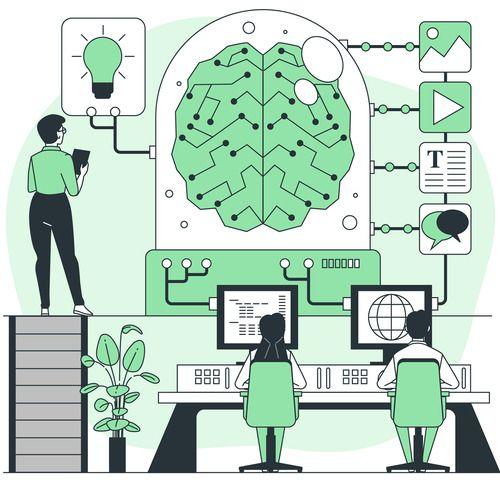
Predictive analytics has become an indispensable tool for businesses across industries. By leveraging historical data, statistical modeling, and machine learning algorithms, organizations can gain valuable insights into future trends and customer behavior. This empowers them to make data-driven decisions, optimize operations, and gain a competitive edge. However, the field of predictive analytics is constantly evolving. New technologies and methodologies are emerging, reshaping how businesses utilize this powerful tool. Here, we delve into some of the key trends that will define the future of predictive analytics: 1. Democratization of Predictive Analytics Traditionally, predictive analytics required significant technical expertise and access to expensive software. This limited its use to large enterprises with dedicated data science teams. But the future is becoming more accessible. Cloud-based solutions, user-friendly interfaces, and pre-built analytics tools are making it easier for businesses of all sizes to leverage predictive power. This democratization will lead to wider adoption and unlock the potential of data for a broader range of organizations. 2. Integration of Artificial Intelligence (AI) and Machine Learning (ML) AI and machine learning are already playing a major role in predictive analytics. Advanced algorithms are capable of handling complex datasets, identifying hidden patterns, and making more accurate predictions. As these technologies continue to evolve, we can expect even more sophisticated models that can learn and adapt in real-time, leading to highly customized and dynamic predictive insights. 3. Rise of Explainable AI (XAI) While AI-powered predictive models can be incredibly powerful, a lack of transparency can be a concern. Businesses need to understand the “why” behind the predictions. Explainable AI (XAI) is addressing this by providing insights into how models arrive at their conclusions. This will build trust in AI-driven decision-making and allow businesses to leverage the power of AI while maintaining control and regulatory compliance. 4. Focus on Real-Time and Edge Computing Traditional predictive analytics often relies on historical data, which can limit its effectiveness in fast-paced environments. Real-time and edge analytics are addressing this by processing data at the source, closer to where it is generated. This enables businesses to make immediate decisions based on real-time insights, allowing them to react to changing situations and optimize performance more effectively. 5. Integration with the Internet of Things (IoT) The proliferation of IoT devices is generating vast amounts of data. Predictive analytics can be integrated with IoT systems to analyze this data in real-time. This can be used for predictive maintenance of equipment, optimizing supply chains, and personalizing customer experiences. As the number of connected devices continues to grow, the synergy between IoT and predictive analytics will be crucial for businesses looking to extract maximum value from their data. 6. Rise of Prescriptive Analytics Predictive analytics tells you what is likely to happen. However, the future lies in prescriptive analytics, which goes a step further by recommending specific actions to take based on predicted outcomes. This allows businesses to not just anticipate challenges but also proactively develop strategies to mitigate them or capitalize on opportunities. 7. Growing Focus on Data Security and Privacy As reliance on data grows, so do concerns about data security and privacy. Businesses need to ensure that they are collecting, storing, and utilizing data ethically and responsibly. This requires robust data security measures and adherence to data privacy regulations like GDPR and CCPA. Predictive analytics solutions that prioritize data privacy and security will be essential moving forward. 8. Emphasis on Human-in-the-Loop Analytics While AI and machine learning play a significant role, human expertise remains crucial. The future of predictive analytics lies in a collaborative approach – “human-in-the-loop” analytics. Here, human analysts work alongside AI models, leveraging their expertise to interpret results, identify potential biases, and ensure that AI-driven recommendations are aligned with business goals and ethical considerations. 9. Continuous Learning and Iteration Predictive models are not static. As new data is collected and analyzed, these models need to be continuously refined and updated. This ensures the accuracy and effectiveness of predictions over time. Businesses need to establish a culture of continuous learning and iteration to ensure their predictive analytics models remain valuable assets. 10. Focus on Ethical Considerations As predictive analytics becomes more powerful, ethical considerations become paramount. Businesses need to be aware of potential biases within their data sets and algorithms. They also need to ensure that their use of predictive analytics does not lead to discrimination or unfair treatment of individuals. The Future of Predictive Analytics with Aziro (formerly MSys Technologies) The future of predictive analytics is bright, with exciting trends shaping how businesses leverage data for success. Aziro (formerly MSys Technologies) is at the forefront of this evolution, offering a comprehensive suite of predictive analytics solutions powered by cutting-edge technology and a team of experienced data scientists. We help businesses: Develop robust predictive models: Our experts can help you design and implement custom predictive models tailored to your specific needs and industry. Leverage the power of AI and Machine Learning: We utilize advanced AI and ML algorithms to extract valuable insights from your data and deliver highly accurate predictions. Ensure Explainable AI (XAI): We prioritize transparency in our models, providing clear explanations for their outputs, fostering trust and informed decision-making. Implement real-time and edge computing solutions: Our expertise allows you to harness the power of real-time data for immediate insights and optimized performance. Integrate with IoT: We can help you seamlessly integrate predictive analytics with your IoT infrastructure to unlock the full potential of your connected devices. Develop prescriptive analytics strategies: Go beyond predictions with actionable insights that empower you to take proactive steps towards achieving your goals. Maintain data security and privacy: We prioritize robust data security practices and adhere to industry regulations to ensure responsible data utilization. Foster a human-in-the-loop approach: Our collaborative approach combines the power of AI with human expertise, leading to more accurate and reliable results. Promote continuous learning and model updates: We believe in continuous improvement, ensuring your models remain effective as your data landscape evolves. Navigate ethical considerations: We work closely with you to identify and mitigate potential biases, ensuring ethical and responsible use of predictive analytics. If you are ready to unlock the future of predictive analytics for your business. Contact Aziro (formerly MSys Technologies) today and schedule a consultation with our data science experts. We can help you leverage the power of predictive analytics to gain a competitive advantage, optimize your operations, and achieve your strategic goals.

Aziro Marketing

blogImage

Top Predictive Analytics Tools in 2024

Predictive analytics has revolutionized how businesses make decisions, enabling them to leverage data to forecast trends, optimize operations, and enhance customer experiences. Predictive analysis tools play a crucial role in this process by utilizing statistics, data science, machine learning, and artificial intelligence techniques to improve business functions and predict future events. As we navigate through 2024, the tools available for predictive analytics are more advanced, user-friendly, and powerful than ever. This blog explores the top predictive analytics tools of 2024 that are transforming data-driven decision-making for businesses of all sizes. Understanding Predictive Analytics Predictive analytics involves using historical data, statistical algorithms, and machine learning techniques to predict future outcomes. By leveraging predictive analytics capabilities, businesses can make informed decisions, mitigate risks, and uncover opportunities. The primary benefits of predictive analytics include: Better Decision-Making: Provides insights that guide strategic planning. Efficiency Improvement: Optimizes business processes to reduce waste. Customer Experience Enhancement: Anticipates customer needs and behaviors. Risk Management: Predicts and mitigates potential risks. Innovation: Identifies new market opportunities and trends. What are Predictive Analytics Tools? Predictive analytics tools are software applications that leverage statistical modeling, machine learning, and data mining techniques to identify patterns and relationships within historical data. These tools often include predictive analytics features such as data visualizations, reports, and dashboards. These patterns are then used to make predictions about future events or outcomes. Benefits of Using Predictive Analytics Tools: Competitive Advantage: In today’s data-driven world, businesses that leverage predictive analytics gain a significant edge over competitors. They can make quicker, more informed decisions, identify market opportunities faster, and optimize their operations for maximum efficiency. Predictive analytics models, such as regression, classification, and neural networks, contribute to better decision-making by simplifying development, feature engineering, and model selection. Increased Revenue: Predictive analytics can help businesses optimize pricing strategies, personalize marketing efforts, and identify new sales opportunities. Reduced Costs: By proactively identifying potential issues, businesses can take steps to prevent them, leading to cost savings. Boost Innovation: By uncovering hidden patterns and trends, predictive analytics can spark new ideas and lead to innovative products and services. Improve Operational Efficiency: By streamlining processes and optimizing resource allocation, predictive analytics can help businesses operate more efficiently and productively. Top Predictive Analytics Tools in 2024 The landscape of predictive analytics platforms is constantly evolving. Here are some of the top contenders in 2024, catering to different needs and budgets: 1. IBM Watson Studio Overview: IBM Watson Studio is a leading data science and machine learning platform that allows businesses to build, train, and deploy models at scale. It integrates various tools and technologies to facilitate comprehensive data analysis. IBM Watson Studio also enhances the development and deployment of predictive models, making it easier for businesses to create responsible and explainable predictive analytics. Key Features: Automated Data Preparation: Streamlines the data cleaning and preparation process. AI Model Lifecycle Management: Supports the entire lifecycle of AI models from development to deployment. Integration with Open Source Tools: Compatible with Python, R, and Jupyter notebooks. Collaboration: Enhances teamwork with shared projects and workflows. Use Cases: Healthcare: Predicting patient outcomes. Finance: Fraud detection and risk assessment. Retail: Demand forecasting and inventory management. 2. SAS Predictive Analytics Overview: SAS provides a robust suite of predictive analytics tools known for their advanced data mining, machine learning, and statistical analysis capabilities. SAS supports the development and optimization of analytics models, including predictive modeling, feature engineering, and model selection. Key Features: Advanced Analytics: Offers powerful statistical and machine learning techniques. Data Visualization: Intuitive visualizations to easily interpret data. Real-Time Analytics: Enables real-time data analysis and predictions. Scalability: Efficiently handles large datasets. Use Cases: Marketing: Personalized marketing and customer segmentation. Manufacturing: Predictive maintenance and quality control. Telecommunications: Customer churn prediction and network optimization. 3. Google Cloud AI Platform Overview: Google Cloud AI Platform provides a comprehensive suite of machine learning tools that allow developers and data scientists to build, train, and deploy models on Google’s cloud infrastructure. Additionally, it supports the entire machine learning workflow with its robust predictive analytics software, which integrates ML and AI to enhance predictive focus and data sourcing. Key Features: End-to-End ML Pipeline: Supports the entire machine learning workflow. AutoML: Enables non-experts to create high-quality machine learning models. Scalability: Utilizes Google’s robust cloud infrastructure. BigQuery Integration: Seamlessly integrates with Google’s data warehouse for large-scale data analysis. Use Cases: Retail: Personalizing shopping experiences and improving customer retention. Finance: Risk management and fraud detection. Healthcare: Enhancing diagnostic accuracy and treatment plans. 4. Microsoft Azure Machine Learning Overview: Microsoft Azure Machine Learning is a cloud-based environment designed for building, training, and deploying machine learning models. It supports the entire lifecycle of predictive analytics, making it a comprehensive predictive analytics solution. Key Features: Automated Machine Learning: Simplifies model building and deployment. ML Ops: Facilitates the operationalization and management of models. Integration with Azure Services: Deep integration with other Microsoft Azure services. Interactive Workspaces: Collaborative environment for data scientists and developers. Use Cases: Finance: Credit scoring and risk assessment. Retail: Sales forecasting and inventory optimization. Manufacturing: Predictive maintenance and production optimization. 5. Tableau Overview: Tableau is a leading data visualization tool that also offers advanced analytics capabilities, making it a powerful platform for predictive analytics. As a comprehensive data analytics platform, Tableau supports advanced analytics and data visualization, enabling users to execute complex data processing tasks with ease. Key Features: Interactive Dashboards: User-friendly dashboards for data exploration. Integration with R and Python: Supports advanced analytics with integration to popular programming languages. Real-Time Data Analysis: Processes and analyzes data in real-time. Visual Analytics: Strong focus on creating intuitive visualizations for better data insights. Use Cases: Sales: Performance analysis and forecasting. Marketing: Customer segmentation and targeting. Finance: Financial forecasting and analysis. 6. RapidMiner Overview: RapidMiner is an open-source data science platform that provides a range of tools for data preparation, machine learning, and model deployment. It supports the entire data science workflow with robust predictive analytics capabilities. Key Features: Visual Workflow Designer: Intuitive drag-and-drop interface for creating workflows. Automated Machine Learning: Facilitates the creation of machine learning models with minimal manual intervention. Scalability: Efficiently handles large datasets and complex workflows. Big Data Integration: Supports integration with Hadoop and Spark for big data analytics. Use Cases: Retail: Customer behavior prediction and segmentation. Telecommunications: Network optimization and customer churn prediction. Healthcare: Predictive diagnostics and patient management. 7. H2O.ai Overview: H2O.ai offers an open-source machine learning platform known for its speed and scalability, providing tools for building, training, and deploying machine learning models. The platform supports the development and deployment of various predictive analytics models, including regression, classification, time series, clustering, neural network, decision trees, and ensemble models. Key Features: AutoML: Automates the process of building machine learning models. Scalability: Efficiently handles large-scale data processing. Integration with R and Python: Supports integration with popular programming languages for advanced analytics. Visualization Tools: Provides robust tools for creating intuitive data visualizations. Use Cases: Finance: Predictive modeling for investment strategies and risk assessment. Healthcare: Predicting patient outcomes and improving treatment plans. Insurance: Risk assessment and fraud detection. 8. TIBCO Statistica Overview: TIBCO Statistica is an advanced analytics platform offering a comprehensive suite of tools for data analysis, machine learning, and data visualization. It integrates seamlessly with other analytics tools, including SAP Analytics Cloud, to enhance predictive analytics, data visualizations, and business insights. Key Features: Data Preparation: Powerful tools for data cleaning and preparation. Machine Learning: Supports a wide range of machine learning algorithms. Real-Time Analytics: Enables real-time data processing and analysis. Integration: Seamless integration with other TIBCO analytics tools. Use Cases: Manufacturing: Predictive maintenance and quality control. Healthcare: Patient risk stratification and management. Retail: Customer behavior analysis and demand forecasting. Conclusion In 2024, predictive analytics tools are more advanced and accessible than ever before, enabling businesses to harness the power of their data for strategic decision-making. By leveraging these tools, organizations can improve efficiency, enhance customer experiences, mitigate risks, and drive innovation. Each tool listed here offers unique strengths and features, making it essential to choose the one that best fits your organization’s specific needs and goals. Whether you’re looking to optimize operations, predict customer behavior, or uncover new business opportunities, there is a predictive analytics tool tailored to your needs. For more insights on Predictive Analytics and its applications, read our blogs: AI in Predictive Analytics Solutions: Unlocking Future Trends and Patterns in the USA (2024 & Beyond) Future Outlook: Evolving Trends in Predictive Analytics From Reactive to Proactive: Futureproof Your Business with Predictive Cognitive Insights

Aziro Marketing

EXPLORE ALL TAGS
2019 dockercon
Advanced analytics
Agentic AI
agile
AI
AI ML
AIOps
Amazon Aws
Amazon EC2
Analytics
Analytics tools
AndroidThings
Anomaly Detection
Anomaly monitor
Ansible Test Automation
apache
apache8
Apache Spark RDD
app containerization
application containerization
applications
Application Security
application testing
artificial intelligence
asynchronous replication
automate
automation
automation testing
Autonomous Storage
AWS Lambda
Aziro
Aziro Technologies
big data
Big Data Analytics
big data pipeline
Big Data QA
Big Data Tester
Big Data Testing
bitcoin
blockchain
blog
bluetooth
buildroot
business intelligence
busybox
chef
ci/cd
CI/CD security
cloud
Cloud Analytics
cloud computing
Cloud Cost Optimization
cloud devops
Cloud Infrastructure
Cloud Interoperability
Cloud Native Solution
Cloud Security
cloudstack
cloud storage
Cloud Storage Data
Cloud Storage Security
Codeless Automation
Cognitive analytics
Configuration Management
connected homes
container
Containers
container world 2019
container world conference
continuous-delivery
continuous deployment
continuous integration
Coronavirus
Covid-19
cryptocurrency
cyber security
data-analytics
data backup and recovery
datacenter
data protection
data replication
data-security
data-storage
deep learning
demo
Descriptive analytics
Descriptive analytics tools
development
devops
devops agile
devops automation
DEVOPS CERTIFICATION
devops monitoring
DevOps QA
DevOps Security
DevOps testing
DevSecOps
Digital Transformation
disaster recovery
DMA
docker
dockercon
dockercon 2019
dockercon 2019 san francisco
dockercon usa 2019
docker swarm
DRaaS
edge computing
Embedded AI
embedded-systems
end-to-end-test-automation
FaaS
finance
fintech
FIrebase
flash memory
flash memory summit
FMS2017
GDPR faqs
Glass-Box AI
golang
GraphQL
graphql vs rest
gui testing
habitat
hadoop
hardware-providers
healthcare
Heartfullness
High Performance Computing
Holistic Life
HPC
Hybrid-Cloud
hyper-converged
hyper-v
IaaS
IaaS Security
icinga
icinga for monitoring
Image Recognition 2024
infographic
InSpec
internet-of-things
investing
iot
iot application
iot testing
java 8 streams
javascript
jenkins
KubeCon
kubernetes
kubernetesday
kubernetesday bangalore
libstorage
linux
litecoin
log analytics
Log mining
Low-Code
Low-Code No-Code Platforms
Loyalty
machine-learning
Meditation
Microservices
migration
Mindfulness
ML
mobile-application-testing
mobile-automation-testing
monitoring tools
Mutli-Cloud
network
network file storage
new features
NFS
NVMe
NVMEof
NVMes
Online Education
opensource
openstack
opscode-2
OSS
others
Paas
PDLC
Positivty
predictive analytics
Predictive analytics tools
prescriptive analysis
private-cloud
product sustenance
programming language
public cloud
qa
qa automation
quality-assurance
Rapid Application Development
raspberry pi
RDMA
real time analytics
realtime analytics platforms
Real-time data analytics
Recovery
Recovery as a service
recovery as service
rsa
rsa 2019
rsa 2019 san francisco
rsac 2018
rsa conference
rsa conference 2019
rsa usa 2019
SaaS Security
san francisco
SDC India 2019
SDDC
security
Security Monitoring
Selenium Test Automation
selenium testng
serverless
Serverless Computing
Site Reliability Engineering
smart homes
smart mirror
SNIA
snia india 2019
SNIA SDC 2019
SNIA SDC INDIA
SNIA SDC USA
software
software defined storage
software-testing
software testing trends
software testing trends 2019
SRE
STaaS
storage
storage events
storage replication
Storage Trends 2018
storage virtualization
support
Synchronous Replication
technology
tech support
test-automation
Testing
testing automation tools
thought leadership articles
trends
tutorials
ui automation testing
ui testing
ui testing automation
vCenter Operations Manager
vCOPS
virtualization
VMware
vmworld
VMworld 2019
vmworld 2019 san francisco
VMworld 2019 US
vROM
Web Automation Testing
web test automation
WFH

LET'S ENGINEER

Your Next Product Breakthrough

Book a Free 30-minute Meeting with our technology experts.

Aziro has been a true engineering partner in our digital transformation journey. Their AI-native approach and deep technical expertise helped us modernize our infrastructure and accelerate product delivery without compromising quality. The collaboration has been seamless, efficient, and outcome-driven.

Customer Placeholder
CTO

Fortune 500 company