Storage Updates

Uncover our latest and greatest product updates
blogImage

Demystifying Infrastructure as Code (IaaC): A Comprehensive Technical Guide

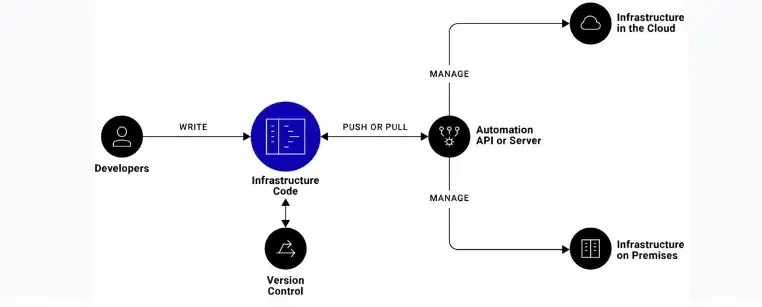
Source:StackpathInfrastructure as Code (IaaC) stands as a cornerstone in contemporary cloud computing, fundamentally altering the landscape of infrastructure provisioning, management, and scalability. It symbolizes a paradigmatic transition towards automated, repeatable, and scalable approaches within IT operations. In this exhaustive technical exposition, we explore Infrastructure as Code in-depth, delving into its nuanced concepts, multifaceted benefits, intricate implementation strategies, best practices, history, and future trajectories.Understanding Infrastructure as Code (IaaC)Infrastructure as Code (IaaC) represents a sophisticated software engineering solution methodology meticulously designed to streamline and automate the provisioning and management of infrastructure resources.At its core, IaaC relies on machine-readable definition files, meticulously crafted to encapsulate the intricacies of infrastructure configuration.By abstracting infrastructure elements into code, this approach enables developers and operations teams to transcend the limitations of manual intervention, empowering them to define, deploy, and manage infrastructure resources programmatically.Leveraging the power of code, organizations can achieve unprecedented efficiency, consistency, and scalability in their infrastructure operations, ushering in a new era of agility and innovation.Developers and operations teams collaborate seamlessly online, leveraging version control systems to track changes, perform code reviews, and ensure the integrity of infrastructure configurations. Moreover, the programmable nature of IaaC empowers organizations to adopt a DevOps mindset, fostering collaboration, automation, and continuous improvement across the software development lifecycle. As organizations embrace IaaC, they unlock the potential to accelerate deployment cycles, minimize operational overhead, and deliver value to customers with unprecedented speed and efficiency.Key Concepts of Infrastructure as Code (IaaC)Source: MediumAt the core of IaaC lie vital concepts that shape its implementation and efficacy. From understanding the distinction between declarative and imperative paradigms to embracing idempotency and versioning, grasping these fundamental concepts is essential for unlocking the full potential of Infrastructure as Code.Key Concepts of Infrastructure as Code (IaaC)In Infrastructure as Code (IaaC), understanding the distinction between declarative and imperative paradigms is essential. Declarative IaaC focuses on specifying the desired state of the infrastructure without prescribing the exact steps to achieve it. Instead, it describes the result, leaving the implementation details to the IaaC tool. On the other hand, imperative IaaC provides explicit instructions on providing and configuring infrastructure resources, delineating each step in the process. Deciding between these approaches hinges on complexity, maintainability, and team preferences, each offering advantages and trade-offs.Idempotency: Ensuring Consistency and ReliabilityIdempotency is a cornerstone principle in Infrastructure as Code (IaaC), underpinning the reliability and predictability of infrastructure provisioning and management. At its core, idempotency ensures that executing the same code multiple times yields the same desired state, regardless of the initial state of the infrastructure. This consistency mitigates unintended side effects or discrepancies caused by repeated executions, fostering reliability and reproducibility in infrastructure deployments. By adhering to idempotent coding practices, organizations can minimize errors, streamline operations, and enhance the overall stability of their infrastructure environments.Infrastructure as Versioned Code: Harnessing the Power of Version ControlTreating infrastructure configuration as code introduces the concept of versioning, enabling teams to track changes, collaborate effectively, and manage configuration drifts over time. Version control systems like Git play a pivotal role in managing infrastructure code, offering features such as branching, merging, and rollback capabilities. By creating and maintaining a centralized repository of infrastructure code, teams can gain visibility into changes, facilitate code reviews, and ensure auditability and compliance.Additionally, versioned infrastructure code empowers teams to experiment with new configurations, revert to known working states, and implement changes confidently, fostering a culture of continuous improvement and innovation within the organization.The Power of Events in IaaC OrchestrationIn Infrastructure as Code (IaaC), events play a pivotal role in orchestrating the deployment and management of infrastructure resources. Events represent triggers or notifications that initiate actions or change workflows within the infrastructure deployment process. These events can range from manual interventions, such as user-initiated changes or approvals, to automated triggers created based on predefined conditions, such as resource scaling thresholds or configuration changes. Organizations can implement dynamic and responsive infrastructure management workflows by leveraging events, enabling automatic scaling, fault remediation, and real-time configuration updates.Harnessing Environment in the IaaC JourneyIn Infrastructure as Code (IaaC), the environment serves as distinct configurations or contexts within which infrastructure resources are provisioned, managed, and operated. Environment typically corresponds to the software development lifecycle stages: development, testing, staging, and production. Each environment may have unique configurations, resource allocations, and access controls tailored to its specific purpose and requirements. Organizations can ensure consistency, reproducibility, and isolation across diverse infrastructure deployments by defining and managing environments programmatically.Benefits of Infrastructure as Code (IaaC)Source: VeritisIn the era of cloud computing and DevOps, Infrastructure as Code (IaaC) stands as a cornerstone technology, offering many benefits to organizations striving for agility, scalability, and efficiency in their IT operations. By abstracting infrastructure configuration into code, IaaC enables automation, repeatability, and consistency in the provisioning and managing of infrastructure resources. This section delves into the myriad benefits Infrastructure as Code brings, ranging from automation and consistency to scalability and DevOps integration.Maximizing Efficiency through AutomationIaaC revolutionizes infrastructure resource provisioning, configuration, and management through automation, drastically reducing manual intervention, human error, and time-to-market delays. Organizations can achieve unprecedented agility, scalability, and operational efficiency by automating repetitive tasks and workflows, empowering teams to focus on innovation and value-added activities.Ensuring Unwavering ConsistencyWith IaaC, infrastructure configuration becomes codified, ensuring uniformity and consistency across diverse environments. By eliminating the possibility of configuration drift and maintaining identical setups across development, testing, and production environments, IaaC enhances application deployments’ reliability, repeatability, and predictability. This meticulous consistency fosters confidence in the integrity of infrastructure configurations, mitigating the risk of discrepancies and errors.Unleashing Limitless ScalabilityIaaC empowers organizations to scale infrastructure resources dynamically in response to fluctuating workload demands. Organizations can use automated scaling policies and cloud-native services such as auto-scaling groups to optimize resource utilization and cost efficiency while seamlessly accommodating spikes in traffic or processing requirements. This inherent scalability ensures that infrastructure resources align precisely with business needs, enabling organizations to scale effortlessly as they grow.Bridging the Gap with DevOps IntegrationInfrastructure as Code is a linchpin in DevOps practices, facilitating seamless collaboration and integration between development and operations teams. Organizations can embrace DevOps principles such as collaboration, automation, and continuous delivery by treating infrastructure as code, accelerating the software development lifecycle. IaaC enables organizations to achieve shorter development cycles, faster time-to-market, and enhanced agility in responding to customer needs and market demands through automated testing, deployment pipelines, and infrastructure provisioning.Implementation Strategies for IaaCEmbarking on implementing Infrastructure as Code (IaaC) requires organizations to navigate a complex landscape of technical considerations, operational challenges, and organizational dynamics. From selecting the right tools and adopting modularization techniques to embracing testing and validation practices and integrating with CI/CD pipelines, implementing IaaC demands a strategic approach. This section explores critical implementation strategies that pave the way for the successful adoption of Infrastructure as Code.Crafting the Perfect ToolkitSelecting the optimal toolkit is paramount for a successful Infrastructure as Code (IaaC) implementation. Well-established IaaC tools such as Terraform, AWS CloudFormation, or Azure Resource Manager are pillars in this domain, offering robust capabilities for defining, provisioning, and managing infrastructure resources. Organizations can make informed decisions to align their tooling with specific requirements and objectives by evaluating functionality, compatibility, and community support.Embracing Modularization for Enhanced AgilityEmbracing a modular approach to infrastructure code fosters code reuse, maintainability, and scalability. Fragmenting infrastructure configurations into smaller, reusable, independent components or modules streamline development workflows, enhances code organization, and promotes consistency across diverse environments and applications. Through modularization, organizations can effectively manage complexity, expedite development cycles, and adapt swiftly to evolving business needs, ensuring agility and resilience in their infrastructure deployments.Testing and Validation: Ensuring Code IntegrityImplementing rigorous testing and validation practices is indispensable to uphold the reliability and correctness of infrastructure code. Leveraging automated testing frameworks such as KitchenCI or Terratest, organizations can validate infrastructure changes in isolated environments, meticulously scrutinizing their impact before deployment. By conducting comprehensive testing and validation procedures, organizations can mitigate the risk of errors, enhance code quality, and bolster the resilience of their infrastructure deployments, safeguarding against potential disruptions and vulnerabilities.Streamlining Deployment with CI/CD IntegrationIntegrating infrastructure code into Continuous Integration/Continuous Deployment (CI/CD) pipelines is instrumental in streamlining deployment workflows and ensuring rapid and reliable deployments. With tools like Jenkins, GitLab CI/CD, or AWS CodePipeline, organizations can automate testing, validation, and deployment processes, facilitating seamless integration of infrastructure changes into the software delivery pipeline. By embracing CI/CD practices, organizations can achieve faster time-to-market, reduce manual intervention, and enhance collaboration between development and operations teams, fostering a culture of continuous improvement and innovation.Best Practices for Infrastructure as Code (IaaC)From leveraging design patterns and implementing robust configuration management to prioritizing infrastructure security, understanding and implementing best practices is paramount. This section delves into a comprehensive overview of the best practices for Infrastructure as Code. We aim to provide insights and guidelines to help organizations optimize their IaaC implementations and reap the benefits of automated, programmable infrastructure management.Elevating Deployment Reliability with Infrastructure as Code Design PatternsHarnessing Infrastructure as Code (IaaC) design patterns, including immutable infrastructure, blue-green deployments, or canary releases, fortify infrastructure deployments’ reliability, scalability, and resilience. These design patterns offer reusable solutions to common infrastructure challenges, providing organizations with a framework to promote consistency and implement best practices. Organizations can streamline deployment processes, minimize downtime, and enhance overall infrastructure performance by leveraging design patterns.Mastering Configuration Management for Consistency and SecurityImplementing robust configuration management practices ensures consistency, security, and auditability of infrastructure configuration. With powerful configuration management tools such as Ansible, Puppet, or Chef, organizations can automate software and services’ installation, configuration, and maintenance across their infrastructure resources. By centralizing configuration management, organizations can enforce standardization, streamline operations, detect issues, and mitigate the risk of configuration drift, enhancing overall infrastructure stability and reliability.Bolstering Infrastructure Security from Design to DeploymentIntegrating security into every facet of infrastructure code, from design to deployment, is essential to safeguard against evolving threats and compliance risks. By implementing security best practices such as least privilege access, encryption, and vulnerability scanning, organizations can fortify their infrastructure resources against potential security vulnerabilities and compliance breaches. With a proactive security approach, organizations can bolster their defenses, protect sensitive data, and maintain regulatory compliance, fostering stakeholder trust and confidence.Future Trends and Outlook for IaaCAs organizations continue to embrace cloud-native technologies and DevOps practices, the adoption of Infrastructure as Code is expected to accelerate. Emerging trends such as GitOps, which emphasizes version-controlled workflows and declarative infrastructure management, are reshaping the landscape of IaaC. Moreover, the convergence of IaaC with other technologies, such as machine learning, artificial intelligence, and serverless computing, unlocks new possibilities in infrastructure automation and optimization. Organizations that embrace Infrastructure as Code are poised to gain a competitive edge in the digital economy, enabling them to innovate faster, scale efficiently, and deliver value to their customers with unparalleled agility.ConclusionThe topics under Infrastructure as Code (IaaC) represent a transformative approach to infrastructure provisioning, management, and automation. By treating infrastructure as code, organizations can achieve greater agility, scalability, and efficiency in their IT operations, paving the way for accelerated innovation, creativity, and competitive advantage. As IaaC continues to evolve and mature, organizations must be open-minded and embrace this paradigm shift, harnessing its full potential to thrive in the fast-paced world of cloud computing and DevOps.FAQs1. How can I register resources in Infrastructure as Code (IaaC) deployments?In IaaC, registering resources typically refers to defining and configuring infrastructure resources within the codebase. You usually write code to register resources using IaaC tools such as Terraform, AWS CloudFormation, or Azure Resource Manager templates.

Aziro Marketing

blogImage

A Comprehensive Guide to Cloud Migration Services: Streamlining Your Digital Transformation Journey

In today’s digital age, organizations increasingly embrace cloud technology to drive innovation, enhance agility, and optimize operational efficiency. Cloud migration services facilitate this transition, enabling businesses to seamlessly move their applications, data, and workloads to cloud environments.As a seasoned professional in cloud computing, I understand the intricacies involved in cloud migration and the critical factors that contribute to a successful migration journey.Understanding Cloud Migration ServicesCloud migration services encompass a range of processes, methodologies, and tools to transition an organization’s IT infrastructure and assets to cloud-based platforms. From assessing the current environment to designing a migration strategy, executing the migration plan, and ensuring post-migration optimization, these cloud experts’ services cover the entire spectrum of activities required to achieve a seamless transition to the cloud.Benefits of Cloud MigrationSource: MindInventoryAdopting cloud migration services offers numerous benefits for organizations looking to modernize their IT infrastructure and embrace cloud-native technologies. These include:ScalabilityCloud environments provide on-demand scalability, allowing organizations to scale resources up or down based on fluctuating demand and workload requirements. This is achieved through features such as auto-scaling, which automatically adjusts resource capacity based on predefined metrics such as CPU usage or network traffic.With cloud-based scalability, organizations can handle sudden spikes in traffic or even existing workload without experiencing performance degradation or downtime, ensuring optimal user experience and resource efficiency.Cost EfficiencyCloud migration often leads to cost savings by eliminating the need for upfront hardware investments, reducing maintenance costs, and optimizing resource utilization. Organizations can also benefit from a pay-as-you-go pricing and operating model, where they only pay for the resources they consume, allowing for cost optimization and better budget management.Cloud providers offer various pricing options, including reserved instances, spot instances, and pay-per-use models, allowing organizations to choose the most cost-effective pricing strategy based on their usage patterns and requirements.Flexibility and AgilityCloud offers greater flexibility and agility, enabling organizations to innovate, experiment with new technologies, and respond quickly to market changes. With cloud-based infrastructure, organizations can quickly spin up new resources, deploy applications, and transform services in minutes rather than weeks or months.This agility allows organizations to assess and adapt to changing business needs and requirements, launch new products and services faster, and stay ahead of the competition in today’s fast-paced digital economy.Enhanced SecurityCloud providers invest heavily in robust security measures, offering advanced encryption, identity management, and compliance capabilities to safeguard data and applications. Cloud environments adhere to industry-standard security certifications and compliance frameworks, such as ISO 27001, SOC 2, and GDPR, ensuring data safety, privacy, and regulatory compliance.Cloud providers offer security features such as encryption at rest and in transit, network segmentation, and threat detection and response, providing organizations with a secure and resilient infrastructure to protect against cyber threats and data breaches.Improved PerformanceCloud environments deliver superior performance to on-premises infrastructure thanks to high-speed networks, advanced hardware, and optimized architectures. Cloud providers offer a global network of data centers strategically located to minimize latency and maximize throughput, ensuring fast and reliable access to resources and services from anywhere in the world.Cloud platforms leverage advanced technologies such as SSD storage, GPU accelerators, and custom hardware optimizations to deliver high-performance computing capabilities for demanding workloads such as machine learning, big data analytics, and high-performance computing.Key Considerations for Cloud Migration ServicesBefore embarking on a cloud migration journey, it’s essential to consider several factors to ensure a smooth and successful transition. These include:Assessment and PlanningConducting a thorough assessment of your current IT environment is critical to understanding the scope and complexity of your cloud migration project. This assessment should include an inventory of existing infrastructure, applications, and dependencies and an analysis of performance metrics and utilization patterns. By gathering this data, you can identify potential challenges and risks, such as legacy systems, outdated software dependencies, or performance bottlenecks, which may impact the migration process.Once you have completed the assessment, develop a detailed migration plan that outlines your objectives, timelines, and resource requirements. Consider migration methods (lift and shift, re-platforming, re-architecting), and migration tools and technologies. A well-defined migration plan will serve as a roadmap for your migration journey, helping to ensure alignment with business goals and objectives.Data Migration StrategyData migration is one of the most critical aspects of any cloud migration project, as it involves transferring large volumes of data securely and efficiently to the cloud. Develop a robust data migration strategy that addresses key considerations such as data volume, complexity, and compliance requirements. Consider factors such as data residency, data sovereignty, and data transfer speeds when designing your migration and cloud strategy too.Choose the right data migration tools and technologies to streamline the migration process and minimize downtime. Consider using data replication, synchronization, or backup and restore techniques to transfer data to the cloud while ensuring data integrity and consistency. Implement encryption, data masking, and access controls to protect sensitive data during transit and storage in the cloud.Application CompatibilityEvaluate the compatibility of your applications with the target cloud platform to ensure seamless migration and optimal performance. When assessing compatibility, consider factors such as application architecture, dependencies, and performance requirements. Determine whether applications need to be refactored, rehosted, or replaced to function optimally in the cloud.Use cloud migration assessment tools and application profiling techniques to analyze application dependencies and identify potential compatibility issues. Develop a migration strategy that addresses these issues and mitigates risks associated with application migration. Consider leveraging cloud-native services such as containers, microservices, and serverless computing to modernize and optimize applications for the cloud.Security and ComplianceSecurity and compliance are paramount considerations in any cloud migration project. Implement robust security controls and compliance mechanisms to protect sensitive data and ensure regulatory compliance throughout migration. Consider data encryption, access controls, and identity management when designing your security architecture.Perform a comprehensive security risk assessment to identify potential threats and vulnerabilities in your cloud environment. Implement security best practices such as network segmentation, intrusion detection, and security monitoring to mitigate risks and prevent security breaches. Establish clear security policies and procedures to govern access to cloud resources and data, and regularly audit and assess your security posture to ensure ongoing compliance.Performance OptimizationOptimizing performance is essential to maximizing the benefits of cloud migration and ensuring a positive user experience. Leverage cloud-native services such as auto-scaling, caching, and content delivery networks (CDNs) to enhance application responsiveness and reduce latency. Use performance monitoring and optimization tools to identify and address performance bottlenecks and optimize resource utilization in the cloud.Implement performance testing and benchmarking to evaluate application performance under different load conditions and identify opportunities for optimization. Use performance metrics and monitoring tools to track application performance in real time and proactively identify and address performance issues. Optimize and fine-tune your cloud environment to ensure optimal performance as your workload grows.Types of Cloud Migration ProcessCloud migration services encompass various migration strategies, each suited to different business requirements and business objectives. The three primary types of cloud migration include:Rehosting (Lift and Shift)Rehosting involves lifting existing applications and workloads from on-premises infrastructure and shifting them to the public cloud, without significantly changing their architecture. While rehosting offers quick migration with minimal disruption, it may not fully leverage cloud-native capabilities.Replatforming (Lift, Tinker, and Shift)Replatforming involves minor adjustments to applications or infrastructure components to optimize them for the cloud environment. This approach retains much of the existing architecture while taking advantage of cloud services for improved performance, on-demand support, and cost efficiency.Refactoring (Re-architecting)Refactoring involves fully redesigning applications or workloads to leverage cloud-native services and architectures. This approach often requires significant changes to application code, architecture, or data models to maximize the benefits of cloud migration and modernization.Best Practices for Successful Cloud MigrationFollowing industry best practices and adhering to proven methodologies is essential to an optimal migration strategy to ensure a successful cloud migration journey. Some key best practices include:Start with a Pilot Project: Begin with a small-scale pilot project to test migration strategies, validate assumptions, and identify potential challenges before scaling to more significant migrations.Prioritize Workloads: Prioritize workloads based on business value, complexity, and criticality, focusing on low-risk, non-disruptive migrations initially before tackling mission-critical applications.Establish Governance and Controls: Establish robust governance and control mechanisms to manage the migration process effectively, including clear roles and responsibilities, change management procedures, and risk mitigation strategies.Monitor and Measure Performance: Implement monitoring and performance measurement tools to track migration progress, identify bottlenecks, and optimize resource utilization throughout the migration lifecycle.Train and Educate Stakeholders: Provide comprehensive training and education to stakeholders, including IT teams, business users, and executive leadership, to ensure buy-in, alignment, and successful adoption of cloud technologies.Challenges and ConsiderationsDespite the numerous benefits of cloud migration, organizations may encounter challenges and considerations. These include:Legacy Systems and Dependencies: Legacy systems and complex dependencies may pose challenges during migration, requiring careful planning and coordination to ensure compatibility and continuity.Data Security and Compliance: Data security and compliance remain top concerns for organizations migrating to the cloud, necessitating robust security controls, encryption mechanisms, and compliance frameworks.Performance and Latency: Performance issues and latency concerns may arise due to network constraints, data transfer speeds, and geographic distances between users and cloud regions, requiring optimization and tuning.Cost Management: Cost management and optimization are critical considerations, as cloud spending can escalate rapidly if not monitored and managed effectively. Organizations must implement cost control measures, such as rightsizing instances, optimizing usage, and leveraging reserved instances.Vendor Lock-in: Vendor lock-in is a potential risk when migrating to the cloud, as organizations may become dependent on specific cloud providers or proprietary services. To mitigate this risk, consider multi-cloud or hybrid-cloud strategies to maintain flexibility and avoid vendor lock-in.ConclusionCloud migration services are vital in helping organizations modernize their IT infrastructure, drive innovation, and achieve digital transformation. By following best practices, considering key factors, and effectively addressing challenges, organizations can successfully navigate the cloud migration journey and reap the benefits of cloud computing. As a trusted partner in cloud migration solutions, I remain committed to assisting organizations in their journey toward cloud adoption and empowering them to thrive in the digital era.MSys’ Effective Cloud Migration ServicesAs part of our cloud infrastructure migrations, we provide clients with a smooth transition of business data to cloud services such as Azure Cloud Platform, GCP, AWS, IBM, and other cloud services. Aziro (formerly MSys Technologies) has been helping customers provide reliable and efficient cloud migration services for over 15 years. In addition to these proven and tested procedures, there’s a way we can help you reorganize your processes.FAQs1. What are cloud migration services?Cloud migration services facilitate the transfer of applications, data, and infrastructure from on-premises environments to cloud platforms.2. What are the 6 different cloud migration strategy?The five cloud migration strategy are rehost, migrate, refactor, revise, rebuild, and replace.3. What are the 4 approaches for cloud migration?The four approaches for cloud migration strategy are lift and shift, refactor, re-platform, and rebuild.4. What are AWS cloud migration offerings?AWS migration services include AWS Migration Hub, AWS Database Migration Service, AWS Server Migration Service, and AWS Snow Family.

Aziro Marketing

blogImage

What is Observability? Not Just Logs, Metrics and Traces

The complexity and scale of dynamic systems put increasing pressure on IT teams to monitor and address problems within multi-cloud environments. DevOps and SRE teams seek better visibility into increasingly complex computing systems and infrastructure. What is the significance of observable data? Tell me the importance of this technology in your business strategy? In IT and cloud computing, observability means measuring systems and their current states using data generated, like logs, metrics, and traces.The Foundation of ObservabilityAt its core, observability represents a paradigm shift in understanding and managing complex systems. Unlike traditional monitoring, which focuses solely on assessing whether a system is functioning within predefined parameters, observability seeks to illuminate the inner workings of a system by analyzing its external outputs. By harnessing data from metrics, logs, traces, and events, observability goes beyond surface-level indicators to provide a holistic view of system behavior.Observability transcends the limitations of traditional monitoring by offering insights into not just the ‘what’ but also the ‘why’ and ‘how’ of system behavior. It enables engineers to better understand system interactions, dependencies, and emergent behaviors, especially during complex and unpredictable scenarios. This comprehensive view empowers organizations to identify and address issues proactively, optimize system performance, and enhance reliability and resilience.Monitoring vs. Observability: What’s the Difference Between Monitoring and Observability?Is observation a good idea? I guess not. Observability and monitoring are related but different concepts. While monitoring primarily focuses on collecting and displaying data about a system’s health and performance, observability extends this paradigm by incorporating additional layers of depth and context. Monitoring typically involves tracking predefined metrics and KPIs to assess the state of a system in real time. This approach provides valuable insights into the overall health and performance of the system, allowing for proactive identification of issues and trends.Source: MiddlewareUnderstanding System Behavior at a Deeper LevelIn contrast, observability delves deeper into understanding system behavior’s underlying causes and implications. It goes beyond surface-level metrics and encompasses a holistic view of the system’s internal state, including its interactions, dependencies, and emergent behaviors. Observability aims to answer the ‘what’ – i.e., what is happening within the system – and the ‘why’ and ‘how’ – why certain events occur and propagate through the system.Flexible and Adaptive Data Collection ApproachOne of the critical distinctions between observability and monitoring lies in their respective analysis approaches. While monitoring typically relies on predefined metrics and thresholds, observability adopts a more flexible and adaptive approach. It embraces a broader range of data sources, including metrics, logs, traces, and events, to comprehensively view system behavior.Emphasis on Context and CausalityMoreover, observability emphasizes context and causality, seeking to uncover the symptoms of an issue and its underlying mechanisms. By correlating data from disparate sources and tracing the flow of events across distributed systems, observability enables engineers to gain a deeper understanding of system behavior and identify subtle patterns and anomalies that may indicate potential issues or opportunities for optimization.The Key Components of Observability: Telemetry Types and the Core Analysis LoopObservability involves collecting and comparing information sources to better understand a system’s behavior. This is done through the core analysis loop, where analysis and optimization are continuously triggered, allowing teams to monitor problems and optimize system performance efficiently. Observability tools collect data from varying components of the system, including logs and metric data traces, to get a better picture of the software system.Source: IODMetricsMetrics form the bedrock of observability, offering quantitative data about various aspects of a system, such as response times, error rates, and throughput. Performance metrics provide insights into the efficiency and responsiveness of a system, allowing engineers to identify performance bottlenecks and optimize resource allocation. Resource utilization metrics, on the other hand, shed light on the usage patterns of system resources, including CPU, memory, and disk space, enabling proactive capacity planning and resource optimization strategies.LogsLogs are crucial in observability by providing a detailed narrative of system events, including errors, warnings, and informational messages. They offer context to metrics by capturing the events leading up to an issue, providing valuable insights into the ‘how’ and ‘why’ behind system behavior. During troubleshooting, logs serve as a vital tool for root cause analysis, allowing engineers to trace the execution path of a request, identify strange behaviors, and pinpoint the underlying causes of issues.With the advent of centralized logging platforms and log management solutions, organizations can aggregate and analyze logs from across their infrastructure, facilitating efficient log search, correlation, and analysis and enabling proactive detection and resolution of issues.TracesTraces, or distributed traces, provide visibility into the flow of a request as it traverses various components of a distributed system. Tracing allows for reconstructing a transaction’s journey across multiple services and infrastructure layers, from initiation to completion. By capturing timing information and contextual metadata at each step of the request’s path, traces enable engineers to identify bottlenecks, latency issues, and other abnormalities across the entire system. Distributed tracing systems, such as Jaeger and Zipkin, facilitate the collection, aggregation, and visualization of trace data, empowering organizations to gain insights into the end-to-end performance of their distributed systems.The Significance of ObservabilityRapid TroubleshootingObservability equips engineering teams with the tools to identify and resolve issues swiftly. Correlating metrics, logs, and traces offer a holistic view of system health, enabling quicker root cause analysis and issue resolution. Advanced anomaly detection algorithms leverage machine learning techniques to automatically identify abnormal patterns and deviations from expected behavior, enabling teams to promptly prioritize and address critical issues.Improved Decision-MakingInformed decision-making relies on a comprehensive understanding of system behavior. Observability empowers teams to make data-driven decisions by providing real-time insights into performance, user interactions, and overall system health. Advanced analytics capabilities, such as predictive modeling and trend analysis, enable teams to forecast future system behavior based on historical data trends, facilitating proactive decision-making and resource allocation.Furthermore, observability platforms often offer customizable dashboards and reporting tools, allowing stakeholders to visualize critical metrics and KPIs in real time and facilitating informed decision-making at all levels of the organization.Proactive System OptimizationObservability is not just reactive; it’s a proactive approach to system management. By continuously analyzing metrics, logs, and traces, teams can identify potential bottlenecks or performance degradation before they escalate, allowing for preemptive optimization. Advanced anomaly detection algorithms and predictive analytics techniques enable teams to anticipate future resource demands and adjust infrastructure configurations accordingly, optimizing performance and scalability.Additionally, observability platforms often provide automated remediation capabilities, allowing teams to implement proactive optimization strategies, such as auto-scaling and workload rebalancing, in response to detected anomalies or performance degradation.Implementing ObservabilityDiscover the essential steps and strategies for implementing Observability effectively, enabling organizations to gain deeper insights into system performance and behavior.1. InstrumentationInstrumentation involves embedding code within applications to collect the necessary data for observability. This includes strategically integrating libraries for metrics, strategically logging statements, and incorporating tracking mechanisms. Effective instrumentation lays the foundation for robust observability.It also entails defining relevant metrics and key performance indicators (KPIs) that align with business objectives, ensuring that the collected data provides actionable insights into system health and performance.2. Centralized Logging and Monitoring SystemsOrganizations often invest in centralized logging and monitoring systems to harness the power of observability. These platforms aggregate data from various sources, providing a unified interface for analyzing metrics, logs, and traces. Prominent tools like Prometheus, Grafana, ELK stack, and Jaeger have become staples in the observability toolkit.Leveraging these tools allows organizations to consolidate observability data, streamline analysis workflows, and gain actionable insights into system behavior, enabling proactive issue detection and resolution.3. Collaboration and CultureObservability is not just a set of tools; it’s a cultural mindset. Fostering collaboration among development, operations, and other relevant teams is essential. A culture that values transparency, information sharing, and continuous improvement is conducive to implementing and maximizing observability. This involves breaking down silos between teams, encouraging open communication, and promoting cross-functional collaboration on observability initiatives.Additionally, organizations should invest in training and education programs to ensure team members have the necessary skills and knowledge to leverage observability tools and practices in their day-to-day activities effectively.Observability ToolsObservability tools offer real-time visibility into system metrics and logs and facilitate proactive identification and resolution of issues before they impact end-users. By leveraging advanced analytics and machine learning algorithms, observability tools empower organizations to detect anomalies, optimize resource utilization, and enhance system resilience. Additionally, observability tools enable collaboration among development, operations, and other cross-functional teams, fostering a culture of continuous improvement and innovation.1. Metrics Monitoring ToolsMetrics monitoring tools are instrumental in capturing and analyzing performance metrics and critical system health indicators. These tools collect data from different sources, such as servers, databases, and applications, and present it in a centralized dashboard for easy visualization and analysis.Famous tools include Prometheus, Grafana, and Datadog, which offer robust capabilities for tracking and analyzing metrics in real-time.2. Log Management SolutionsLog management solutions are essential for capturing and analyzing log data from applications and infrastructure components. These tools aggregate logs from multiple sources, such as servers, containers, and network devices, and provide powerful search and filtering capabilities for identifying and troubleshooting issues.Elasticsearch, Logstash, and Kibana (ELK stack) are widely used log management solutions that offer scalable and flexible log aggregation, analysis, and visualization capabilities.3. Distributed Tracing PlatformsDistributed tracing platforms enable organizations to trace the flow of requests across distributed systems and microservices architectures. These tools capture timing information and contextual metadata at each step of a request’s journey, allowing teams to identify performance bottlenecks, latency issues, and dependencies between services.Popular distributed tracing platforms include Jaeger, Zipkin, and OpenTelemetry, which provide comprehensive tracing capabilities for understanding the end-to-end performance of distributed applications.4. Synthetic Monitoring ServicesSynthetic monitoring services simulate user interactions with applications and services to detect and address performance issues before they impact end-users proactively. These tools simulate user scenarios, such as page loads, form submissions, and API calls, and monitor critical endpoints’ response times and availability.Synthetic monitoring services like Pingdom, Uptime Robot, and New Relic Synthetics offer comprehensive capabilities for monitoring application performance and uptime from different geographic locations.5. Anomaly Detection SystemsAnomaly detection systems use machine learning algorithms to identify deviations from regular application and infrastructure metrics behavior. These tools analyze historical data patterns and automatically detect anomalies, such as spikes in CPU utilization, unusual network traffic patterns, or abnormal error rates. Anomaly detection systems help organizations proactively identify and address issues, minimize downtime, and optimize system performance.Tools like Amazon CloudWatch Anomaly Detection, Datadog AI-powered anomaly detection, and InfluxDB anomaly detection offer advanced capabilities for detecting and alerting anomalies in real time.Future Trends in ObservabilityAs technology continues to evolve, so does the field of observability. Emerging trends indicate a shift towards more automation, artificial intelligence, and machine learning to derive meaningful insights from vast observability data. Integrating observability into DevOps practices and the evolution of standards and protocols will shape the future landscape of system observability.1. Automation in ObservabilityManual analysis and interpretation become increasingly challenging with the exponential data growth generated by modern software systems. Automation emerges as a critical trend in observability, leveraging machine learning algorithms and artificial intelligence (AI) to automate data collection, analysis, and response. By automating routine tasks and leveraging AI-driven anomaly detection, organizations can streamline operations, detect issues more quickly, and derive actionable insights from vast observability data.2. Integration with DevOps PracticesObservability is increasingly integral to DevOps practices, bridging the gap between development and operations teams. By embedding observability into the software development lifecycle, organizations can ensure that observability considerations are built into applications from the outset. This integration facilitates continuous feedback loops, enabling teams to identify and address issues early in the development process, iterate rapidly, and deliver higher-quality software with improved reliability and performance.3. Evolution of Standards and ProtocolsAs the field of observability matures, there is a growing emphasis on standardization and interoperability. Industry initiatives such as OpenTelemetry aim to establish common standards and protocols for observability, enabling seamless integration across disparate systems and platforms. Organizations can facilitate data exchange and interoperability between observability tools and platforms by adopting standardized data formats, protocols, and APIs. This empowers engineers to gain a unified view of system behavior regardless of the underlying technologies.4. Real-time Monitoring and AlertingWith modern software systems’ increasing complexity and dynamism, real-time monitoring and alerting becomes paramount. Emerging trends in observability focus on enabling real-time visibility into system health and performance, coupled with intelligent alerting mechanisms that notify stakeholders of potential issues or anomalies as they occur. By providing timely and actionable insights, real-time monitoring and alerting help organizations proactively manage and mitigate risks, minimize downtime, and ensure optimal system performance.5. Cloud-native Observability SolutionsAs organizations increasingly embrace cloud-native architectures and microservices-based applications, observability solutions tailored to the cloud-native ecosystem are gaining traction. These solutions offer native integration with cloud platforms and container orchestration systems, providing visibility into distributed and ephemeral workloads. By leveraging cloud-native observability solutions, organizations can gain insights into the performance, scalability, and reliability of their cloud-native applications. This enables them to optimize resource utilization, troubleshoot issues, and ensure a seamless user experience.6. Continuous Evolution and InnovationObservability is a dynamic and evolving field driven by ongoing technological advancements and changing business requirements. As organizations continue to innovate and adopt new technologies, the landscape of observability will continue to evolve. Continuous investment in research and development, coupled with a commitment to embracing emerging trends and best practices, will be essential for organizations seeking to harness the full potential of observability to drive business success in an increasingly digital world.Wrapping Up the Observability JourneyIn the intricate tapestry of modern software systems, observability emerges as a guiding light, illuminating the path to efficient operations and continuous improvement. What is observability? It’s not merely a buzzword or a checklist item; it’s a holistic approach to understanding, managing, and optimizing complex systems. From metrics and logs to traces and beyond, observability empowers engineers to navigate the intricate labyrinth of software development with confidence and agility.As we continue to push the boundaries of technological innovation, observability remains an indispensable ally, helping us unveil the mysteries of system behavior and ensuring the resilience of the digital ecosystems we build and maintain.FAQs1. What is observability in simple terms?Just as simple as it sounds, observation means measuring the internal state of a process using a system’s outputs. A system may be viewed as “observable” only with input data, i.e., sensors.2. What is observability in DevOps?DevOps observability helps teams understand how systems work throughout the entire development phase. This helps improve customer experiences and reduces the time spent identifying defects and preventing them from happening in their systems.3. How can I resolve system issues with Observability data?Observabilities are crucial in SRE and DevOps since they ensure the reliable operation of the system. Observability is vital because it allows the user to get deeper insights about system behavior, allowing proactive monitoring of troubleshooters and improving system performance. For the developer, operational teams, or site reliability engineers, steps are required to detect, analyze, or resolve problems within any software system using observability data.4. What is the role of real-user monitoring (RUM) and synthetic testing?Moreover, organizations can use real-user monitoring in real time to gain real visibility of their user experience. Teams may monitor these experiences with synthetic monitoring or recording a particular event. This functionality extends Telemetry by including data on APIs and third-party services, errors that occur in the browsers, user demographics, and application performance from the user perspective.5. How do I Implement Observability?A combination of various tools, open-source software, and commercial solutions is essential to achieve Observable System Development. Implementing observability requires integrating four key components, each serving a distinct purpose in ensuring a comprehensive view of system behavior and performance. Metrics Monitoring, Log Management, Distributed Tracing, Anomaly Detection.

Aziro Marketing

blogImage

Unlocking Efficiency and Agility: Exploring Infrastructure Automation

In the ever-evolving landscape of data centers and IT infrastructure management, automation is a transformative force reshaping how businesses deploy, manage, and scale their infrastructure resources. With the advent of cloud computing, virtualization technologies, and DevOps practices, the demand for agile, scalable, and efficient infrastructure has never been greater. Infrastructure automation, driven by sophisticated tools and methodologies, offers a solution to this demand, enabling organizations to streamline operations, enhance productivity, and accelerate innovation. This comprehensive guide delves into the intricacies of infrastructure automation, covering its key components, benefits, challenges, and future trends.Understanding Infrastructure AutomationAt its core, infrastructure automation involves using software tools and scripts to automate IT infrastructure components’ provisioning, deployment environments configuration, management, and monitoring. These components encompass servers, networks, storage, and other resources for delivering applications and services. By automating routine tasks and workflows, organizations can reduce manual errors, improve consistency, and free up valuable human resources for more strategic endeavors.Source: AEM CorporationInfrastructure as Code (IaC): The Foundation of AutomationInfrastructure as Code (IaC) is central to infrastructure automation, which involves defining and managing infrastructure using declarative or imperative code. Tools like Terraform, Ansible, and Puppet describe infrastructure components in code, enabling version control, repeatability, and scalability. This approach facilitates rapid provisioning and configuring of infrastructure resources, promoting agility and resilience.Continuous Integration/Continuous Deployment (CI/CD): Streamlining Software DeliveryCI/CD pipelines automate the process of building, testing, and deploying software applications, seamlessly integrating infrastructure changes into the development workflow. Tools such as Jenkins, GitLab CI, and CircleCI automate these pipelines, enabling frequent and reliable software releases. By coupling infrastructure changes with application code changes, organizations can achieve faster time-to-market and greater operational efficiency.Configuration Management: Ensuring Consistency and ComplianceConfiguration management tools like Chef, Puppet, and Ansible automate the setup and maintenance of server configurations, ensuring consistency across diverse environments. These tools enforce desired states, detect drifts from the desired configuration, and automatically remediate discrepancies. Through other configuration management tools, organizations can standardize configurations, enforce security policies, and mitigate configuration drift, reducing the risk of outages and vulnerabilities.Orchestration: Maximizing Efficiency with ContainerizationOrchestration tools like Kubernetes, Docker Swarm, and Nomad automate the deployment, scaling, and management of containerized applications across clusters of servers. By abstracting infrastructure complexities and providing self-healing capabilities, orchestration platforms enable organizations to run distributed applications reliably and efficiently. Container orchestration simplifies the deployment network management of microservices architectures, promotes resource optimization, and enhances scalability.Monitoring and Analytics: Gaining Insights for OptimizationMonitoring and analytics tools such as Prometheus, Grafana, and ELK stack enable organizations to gain insights into infrastructure performance, health, and usage patterns. These tools collect and analyze metrics, logs, and events from various infrastructure components, facilitating proactive identification and resolution of issues. Organizations can optimize resource utilization, enhance reliability, and ensure regulatory compliance by leveraging real-time visibility and predictive analytics.Benefits of Infrastructure AutomationDiscover the myriad advantages of infrastructure automation in today’s rapidly evolving technological landscape. From increased efficiency and scalability to reduced operational costs, explore how automation revolutionizes IT management, empowering organizations to stay ahead in an ever-changing digital world.Efficiency Overdrive: Revving Up Automation’s EnginesAutomation leverages scripting languages, configuration management tools, and orchestration platforms to minimize manual or minimal human intervention in repetitive tasks. Organizations can streamline workflows, reduce human error, and accelerate IT service delivery by automating processes like software provisioning, configuration management, and deployment pipelines. This enhancement in operational efficiency leads to higher productivity among teams, as they can focus on more strategic tasks rather than mundane, repetitive activities.Agility Unleashed: Dancing Through the Hoops of Automation ToolsInfrastructure automation empowers organizations to swiftly adapt to changing business requirements and market dynamics. Through tools like cloud orchestration platforms and containerization technologies, businesses can provision and scale resources on-demand, enabling rapid deployment of applications and services. This agility is crucial in today’s fast-paced digital landscape, where companies must quickly respond to customer needs, market trends, and competitive pressures.Reliability ReinventedAutomation enforces consistency and standardization across IT environments enabling software teams, reducing variability and the likelihood of human errors. Organizations ensure that systems are always deployed predictably and reliably by codifying infrastructure configurations and deploying them through automation scripts or configuration management tools like Ansible or Puppet. This reliability minimizes downtime, enhances system availability, and improves overall service quality, fostering greater trust among users and stakeholders.Slicing through Expenses with Automation ToolsAutomation is pivotal in optimizing resource utilization and minimizing wastage, driving cost savings. Organizations can efficiently utilize cloud resources through techniques such as auto-scaling, where resources are dynamically adjusted based on demand, avoiding over-provisioning or underutilization of multiple cloud environments. Additionally, automation enables identifying and remedying resource inefficiencies, such as zombie instances or idle resources, further reducing operational expenses and maximizing ROI on IT investments.Empowered DevOps PracticesInfrastructure automation serves as a cornerstone for implementing DevOps principles within organizations. By treating infrastructure as code (IaC) and leveraging tools like Git for version control, teams can manage and provision infrastructure configurations consistently and repeatedly. This alignment between development and operations teams encourages collaboration, accelerates software delivery, and promotes practices such as continuous integration (CI) and continuous deployment (CD). Automation also facilitates the automated testing and deployment of code changes, leading to faster time-to-market and higher software quality.Scalability and Flexibility UnleashedAutomation enables organizations to dynamically scale infrastructure resources in response to workload fluctuations and evolving business needs. Cloud-native technologies like Kubernetes facilitate container orchestration and auto-scaling, allowing applications to scale up or down based on demand seamlessly. Moreover, automation enables the provisioning of infrastructure resources in a modular and flexible manner, enabling organizations to adapt quickly to changes in market conditions or business priorities. This scalability and flexibility ensure that IT resources are optimally utilized, providing consistent performance and user experience even during peak demand.Challenges and ConsiderationsWhile infrastructure automation offers significant benefits, it teams and organizations must address several challenges to realize its full potential:Complexity: The Automation ConundrumImplementing automation entails navigating a labyrinth of tools, technologies, and practices, each with its complexities. From mastering scripting languages like Python and PowerShell to understanding the intricacies of configuration management tools such as Chef and Terraform, organizations face the challenge of skill acquisition core development, and tool selection. Furthermore, integrating these tools seamlessly into existing workflows and environments requires careful planning and expertise in automation architecture and integration patterns.Security and Compliance: The Automated Security TightropeWhile automation promises efficiency and agility, it also introduces many security risks. Misconfigurations, unpatched vulnerabilities, and unauthorized access can amplify security threats in automated environments. To mitigate these risks, organizations must implement robust security controls, such as role-based access controls (RBAC), encryption, and vulnerability scanning. Moreover, ensuring compliance with regulatory standards like GDPR, HIPAA, and PCI DSS adds another layer of complexity, necessitating continuous monitoring, audit trails, and security incident response plans.Cultural Resistance: Breaking Down Automation BarriersAutomation isn’t just about technology—it’s also about people. Overcoming cultural resistance to change and fostering a collaborative team mindset can be a formidable challenge. Siloed workflows, entrenched processes, and fear of job displacement may hinder the adoption of automation practices. Organizations must invest in change management strategies, cross-functional training, and leadership support to cultivate a culture of innovation and continuous improvement.Legacy Systems: Automating the Old GuardIntegrating automation into legacy systems and environments poses a Herculean task. Compatibility issues, outdated infrastructure, and proprietary technologies may thwart automation efforts. Organizations must devise meticulous migration strategies, leveraging API integration, containerization, and microservices architecture to modernize legacy systems. Additionally, retrofitting legacy applications with automation capabilities requires expertise in legacy codebases, reverse engineering, and refactoring techniques.Monitoring and Governance: The Watchful Eye of AutomationEffective automation isn’t a set-it-and-forget-it endeavor—it requires vigilant monitoring and governance. Organizations must deploy robust monitoring tools like Prometheus and Grafana to track the performance, availability, and health of automated processes and infrastructure. Moreover, implementing comprehensive governance frameworks, including change management processes, a version control system, and configuration baselines, is paramount to ensuring compliance, risk management, and accountability in automated environments.Costs and ROI: The Automation Balancing ActWhile automation promises cost savings and efficiency gains, it also comes with financial considerations. Organizations must carefully weigh the upfront costs of tooling, training, and infrastructure against automation initiatives’ potential long-term benefits and ROI. Factors such as scalability, complexity, and maintenance overheads can impact automation solutions’ total cost of ownership (TCO). Therefore, conducting thorough cost-benefit analyses, aligning automation initiatives with business objectives, and prioritizing high-impact automation use cases are essential for maximizing ROI and driving sustainable value.Future Trends and InnovationsLooking ahead, several trends and innovations are poised to shape the future of infrastructure automation:AI and Machine Learning: The Autobots AwakenIntegrating AI and machine learning technologies into automation platforms heralds a new era of intelligent automation. These technologies enable predictive analytics, anomaly detection, and autonomous decision-making, empowering systems to anticipate and respond to dynamic workload demands. With self-learning capabilities, automation processes can continuously optimize resource allocation, remediate issues proactively, and even predict potential failures before they occur. Welcome to the realm of self service automation and autonomous infrastructure management, where machines follow commands and think and adapt autonomously.Edge Computing: Automating at the Edge of TomorrowAs edge computing becomes ubiquitous, automation extends its reach to the fringes of the network. Edge environments with distributed infrastructure and low-latency requirements demand agile and efficient management solutions. Automation in edge computing enables centralized control, orchestration, and provisioning of resources across geographically dispersed locations. From deploying containerized workloads to managing IoT devices, automation streamlines operations, ensures consistency, and accelerates the delivery of edge services. Say goodbye to the manual processes and tinkering at remote sites—automation is now taking charge at the edge of innovation.Serverless Computing: Seamless InfrastructureServerless computing redefines automation by abstracting away infrastructure management entirely. In this paradigm, developers focus solely on writing application logic, while cloud providers handle the underlying infrastructure. Automation in serverless architectures enables automatic scaling, fault tolerance, and event-driven execution, eliminating the need for manual provisioning, configuring, and managing servers. With pay-per-use pricing models and effortless scalability, serverless automation empowers organizations to innovate rapidly without being bogged down by infrastructure complexities. Who needs servers when you have serverless? It’s automation, liberated from the shackles of hardware.Multi-Cloud and Hybrid Cloud: A Symphony of AutomationAs organizations embrace multi-cloud and hybrid cloud strategies, automation becomes the conductor orchestrating a harmonious cloud symphony. Automation solutions evolve to seamlessly move infrastructure provisioning, manage, and optimize workloads across diverse cloud environments. From workload mobility to disaster recovery orchestration, automation simplifies operations and ensures consistency across clouds. With unified governance, policy enforcement, and cost optimization capabilities, multi-cloud automation enables organizations to leverage the best-of-breed services while maintaining operational efficiency and flexibility. It’s not just about cloud-hopping—it’s about orchestrating a finely tuned cloud ensemble.Infrastructure as Data: Insights from the Infrastructure AbyssThe rise of infrastructure observability platforms transforms infrastructure components into actionable data sources. These platforms collect telemetry, metrics, and logs from infrastructure layers, providing real-time insights into performance, health, and security. Automation leverages this wealth of data to drive intelligent decision-making, optimize resource utilization, and enforce compliance policies. By treating infrastructure as data, organizations gain unprecedented visibility and control over their IT ecosystems, enabling proactive remediation, capacity planning, and cost optimization. Welcome to the age of data-driven infrastructure management, where insights illuminate the darkest corners of the data center.Immutable Infrastructure: The Unyielding Foundations of AutomationImmutable infrastructure flips the script on traditional management practices by embracing the concept of unchangeable infrastructure components. In this paradigm, infrastructure is treated as disposable and immutable, with changes applied only through automated processes. Automation enforces consistency, reliability, and security by rebuilding infrastructure from scratch whenever updates or patches are required. Immutable infrastructure processes and patterns promote resilience, scalability, and reproducibility, enabling organizations to deploy and manage complex systems confidently. Say goodbye to manual configuration drift and hello to automation’s unwavering foundations—where every change is a fresh start.Best Infrastructure Automation ToolsInfrastructure automation tools are pivotal in streamlining IT operations, enhancing efficiency, and ensuring consistency in managing modern IT environments. From provisioning and configuration management to orchestration and deployment, these tools empower organizations to automate repetitive tasks, make workload deployments, enforce desired state configurations, and scale infrastructure resources dynamically. Here’s a roundup of some of the best infrastructure automation tools available today:1. AnsibleAnsible, an open-source automation platform, excels in simplicity, flexibility, and ease of use. It employs a declarative language (YAML) to describe system configurations, making it accessible to beginners and experienced users. Ansible operates agentlessly, leveraging SSH or WinRM to communicate with remote hosts, simplifying deployment and reducing overhead.2. PuppetPuppet is a mature configuration management tool known for its scalability, robustness, and support for diverse infrastructure environments. It follows a model-driven approach network automation, where administrators define the desired systems state using Puppet’s domain-specific language (DSL). Puppet agents periodically enforce these configurations, ensuring consistency across the infrastructure.3. ChefChef is a powerful automation platform that emphasizes infrastructure as code (IaC) principles to automate IT infrastructure configuration, deployment, and management. It employs a domain-specific language (DSL) called Chef Infra to define system configurations and recipes. Chef follows a client-server architecture, where Chef clients converge with the Chef server to apply configurations.4. TerraformTerraform is a widespread infrastructure as code (IaC) orchestration tool that enables provisioning and managing infrastructure resources across various cloud providers and on-premises environments. It employs a declarative configuration language (HCL) to define infrastructure resources and dependencies. Terraform’s state management ensures idempotent and predictable infrastructure changes.5. KubernetesKubernetes is an open-source container orchestration platform that automates the deployment, scaling, and management of containerized applications. It provides a robust framework for automating infrastructure tasks related to container orchestration, service discovery, and load balancing. Kubernetes follows a declarative API-driven approach for defining desired application states.ConclusionInfrastructure automation represents a paradigm shift in how organizations design, deploy, and manage IT infrastructure. By embracing automation principles, organizations can unlock agility, efficiency, and innovation, gaining a competitive edge in today’s digital economy. However, successful adoption implement infrastructure automation requires a strategic approach, addressing technical, organizational, and cultural challenges while embracing emerging trends and innovations. Infrastructure automation will remain at the forefront as technology evolves, driving digital transformation and empowering organizations to thrive in a dynamic and competitive landscape.

Aziro Marketing
blogImage

DNA Data Storage and Zero-Trust Architecture: Innovations Shaping Storage as a Service

Hey there, folks! Today, I’m thrilled to delve into the cutting-edge world of storage as a service (STaaS) and explore two game-changing innovations to redefine the landscape from 2024 to 2026. Get ready to embark on a journey into the future as we unravel the potential of DNA data storage and zero-trust architecture in shaping the next evolution of storage services. Unleashing the Power of DNA Data Storage As we stride into the mid-2020s, the digital world is poised for a revolution unlike any we’ve seen before – and at the heart of this revolution lies DNA data storage. Yes, you heard that suitable – DNA, the building blocks of life, is now becoming the foundation of our digital storage solutions. Unlocking Limitless Potential The allure of DNA data storage lies in its unrivaled storage density. With the ability to encode vast amounts of data into minuscule DNA strands, we’re talking about storage capacities that far surpass anything achievable with traditional storage mediums. It’s like fitting an entire library into a drop of water – compact, efficient, and mind-bogglingly expansive. Preserving Data for Millennia But the benefits don’t stop there. DNA data storage also boasts remarkable longevity, potentially preserving data for millennia. Unlike traditional storage devices that degrade over time, DNA molecules remain remarkably stable, offering a timeless repository for our most precious digital artifacts. Imagine, your data surviving for generations, stored safely within the fabric of life itself. Environmental Sustainability And let’s not forget about the environmental implications. DNA data storage promises a more sustainable future with minimal energy and resource requirements. By harnessing the power of nature’s own code, we’re paving the way towards a greener, more eco-friendly approach to digital storage. Embracing Zero-Trust Architecture: Redefining Security in the Digital Age But wait, there’s more! As we forge into the future, security remains a top priority – and that’s where zero-trust architecture comes into play. The traditional perimeter-based security model is no longer sufficient in a world plagued by cyber threats and data breaches. Enter zero-trust architecture, a paradigm shift in cybersecurity that challenges the notion of trust and redefines how we protect our digital assets. Assuming Zero Trust At its core, zero-trust architecture operates on the principle of “never trust, always verify.” Gone are the days of blindly trusting devices and users within the network perimeter. Instead, every access request – whether from inside or outside the network – is scrutinized and authenticated, ensuring that only authorized entities gain entry to sensitive data. Micro-Segmentation A fundamental tenet of zero-trust architecture is micro-segmentation, dividing the network into smaller, isolated segments to contain potential threats and limit lateral movement. By compartmentalizing data and applications, organizations can minimize the impact of breaches and prevent attackers from gaining widespread access to critical assets. Continuous Monitoring and Risk Assessment But zero trust doesn’t end with access control – it’s a continuous process. Through real-time monitoring and risk assessment, zero-trust architectures continuously evaluate the security posture of devices and users, identifying anomalies and potential threats before they escalate. It’s like having a watchful guardian, tirelessly patrolling the digital perimeter, and keeping threats at bay. Navigating the Future: Where Innovation Meets Opportunity As we gaze into the crystal ball of storage as a service for 2024 to 2026, the possibilities are truly endless. With DNA data storage and zero-trust architecture leading the charge, we’re on the brink of a new digital storage and cybersecurity era. From the boundless capacity of DNA to the ironclad security of zero trust, the future of storage as a service is bright with promise. And as we embrace these innovations, let’s do so with excitement and optimism, knowing that the best is yet to come. So, here’s to the future – a future where our data is safer, more resilient, and more accessible than ever before. Cheers to the next chapter in the evolution of storage as a service!

Aziro Marketing

blogImage

Strategic Agility and Hyperscale Integration: The Paradigm Shift in Managed Data Center Services

In the ever-evolving information technology landscape, 2024 marks a watershed moment for managed data center services. As businesses grapple with the relentless pace of technological advancement, two key elements are set to redefine the paradigm: strategic agility and hyperscale integration. In this blog, we embark on a journey to unravel the profound impact of these transformative trends on managed data center services and how organizations are navigating the complexities of a digital era where adaptability and scalability reign supreme. Strategic Agility: The Engine of Digital Resilience The traditional view of data center management often conjures images of static infrastructure, but the reality is far more dynamic. Strategic agility is emerging as a critical driver, allowing organizations to adapt rapidly to changing business needs, technological shifts, and unforeseen disruptions. In 2024, businesses increasingly recognize the need to move beyond the confines of rigid infrastructure and embrace a more fluid and responsive approach. Agile Infrastructure Deployment Strategic agility in managed data center services hinges on deploying infrastructure rapidly and flexibly. Modern data centers are shifting towards modular designs and cloud-native architectures that enable organizations to scale resources on-demand, optimizing performance and efficiency. Dynamic Resource Allocation Strategic agility in managed data center services hinges on deploying infrastructure rapidly and flexibly. Modern data centers are shifting towards modular designs and cloud-native architectures that enable organizations to scale resources on-demand, optimizing performance and efficiency. Dynamic Resource Allocation The ability to dynamically allocate resources based on real-time demand is a hallmark of strategic agility. Managed data center services incorporate advanced automation and orchestration tools to optimize resource utilization, ensuring that computing power, storage, and networking resources are allocated precisely where and when needed. Hybrid and Multi-Cloud Strategies Strategic agility is not about being confined to a single environment. Instead, organizations are adopting hybrid and multi-cloud strategies to balance on-premises and cloud-based solutions. This approach allows them to leverage the benefits of both worlds while maintaining flexibility and minimizing vendor lock-in. Hyperscale Integration: Elevating Data Center Capabilities to New Heights Hyperscale integration represents a seismic shift in the scale and efficiency of data center services. In the digital landscape 2024, hyperscale goes beyond merely expanding infrastructure size; it’s a holistic approach to designing, implementing, and managing data centers that can scale massively while delivering optimal performance and cost-effectiveness. Architectural Redefinition Traditional data centers are giving way to hyperscale architectures characterized by massive scalability, fault tolerance, and efficient use of resources. These architectures leverage software-defined networking (SDN) and hyper-converged infrastructure (HCI) to achieve unprecedented scalability and efficiency. Edge Computing Evolution The rise of edge computing is closely tied to hyperscale integration. As organizations decentralize their computing resources to the network edge, managed data center services are evolving to support distributed architectures. This evolution ensures low-latency access to critical applications and services, catering to the demands of real-time data processing. AI-driven Operations Hyperscale integration is not merely about infrastructure; it’s about intelligent operations. Managed data center services incorporate artificial intelligence (AI) to optimize and automate routine operational tasks. From predictive maintenance to performance optimization, AI-driven operations enhance efficiency and reliability. Navigating the Confluence: Strategic Hyperscale Agility The convergence of strategic agility and hyperscale integration heralds a new era for managed data center services. Organizations must strategically navigate this confluence to unlock the full potential of their data infrastructure. Adaptive Infrastructure Planning Strategic hyperscale agility requires organizations to adopt adaptive infrastructure planning. This involves aligning data center capabilities with business goals, understanding the dynamic nature of workloads, and planning for scalability without compromising efficiency. Continuous Innovation In managed data center services, strategic agility and hyperscale integration demand a commitment to continuous innovation. Organizations must actively explore emerging technologies, assess their relevance, and incorporate them into their data center strategies to stay ahead of the curve. Security and Compliance in a Dynamic Environment As data center environments become more dynamic, security and compliance become paramount. Organizations must implement robust security measures and ensure compliance with industry regulations while navigating the complexities of hyperscale integration and strategic agility. The Road Ahead: Embracing the Future of Managed Data Center Services As we gaze into the future of managed data center services in 2024, the roadmap is clear: strategic agility and hyperscale integration will drive the digital infrastructure landscape. Organizations that embrace these trends, adapt swiftly, and foster innovation will position themselves at the forefront of the digital revolution, ready to meet the challenges and opportunities. The paradigm shift is underway, and the journey promises to be both exhilarating and transformative for those who dare to embark on it.

Aziro Marketing

blogImage

AI-Driven Operations and Ransomware Protection: The Future of Storage as a Service in 2024

Hey there, folks! Today, I want to dive into the exciting world of storage as a service (STaaS) and explore how AI-driven operations and ransomware protection are shaping its future in 2024. As someone deeply immersed in the world of technology, I can’t help but marvel at the incredible strides we’ve made in leveraging artificial intelligence (AI) to enhance operations and fortify security. So, buckle up as we embark on this journey into the heart of STaaS innovation! Embracing AI-Driven Operations: The Backbone of STaaS As we usher in 2024, AI-driven operations stand tall as the linchpin of storage as a service. Picture this: intelligent algorithms working tirelessly behind the scenes, optimizing performance, predicting failures before they occur, and orchestrating resources with unparalleled efficiency. It’s like having a team of supercharged technicians, constantly monitoring and fine-tuning your storage infrastructure to ensure seamless operations. Predictive Maintenance One of the most exciting applications of AI in STaaS is predictive maintenance. By analyzing historical data and identifying patterns, AI algorithms can forecast potential hardware failures or performance degradation before they happen. This proactive approach not only minimizes downtime but also maximizes the lifespan of storage hardware, saving both time and money. Autonomous Optimization In the realm of AI-driven operations, autonomy is the name of the game. Through machine learning algorithms, STaaS platforms can autonomously optimize storage configurations based on workload demands, resource availability, and performance objectives. It’s like having a self-driving car for your storage infrastructure – except without the traffic jams! Dynamic Scaling Gone are the days of manual capacity planning and provisioning. With AI-driven operations, STaaS platforms can dynamically scale storage resources in real-time, responding to fluctuations in demand with agility and precision. Whether it’s handling a sudden surge in data or scaling back during periods of low activity, AI ensures that you always have the right amount of storage at the right time. Fortifying Security with Ransomware Protection Ah, ransomware – the bane of every IT professional’s existence. As we forge ahead into 2024, the threat of ransomware looms larger than ever, casting a shadow of uncertainty over the digital landscape. But fear not, my friends, for storage as a service is arming itself with powerful weapons to combat this insidious threat. Behavioral Analytics AI-powered behavioral analytics play a pivotal role in ransomware protection. By analyzing user behavior and file access patterns, these advanced algorithms can detect anomalous activities indicative of a ransomware attack. Whether it’s unusual file modification rates or unauthorized access attempts, AI keeps a vigilant eye on your data, ready to sound the alarm at the first sign of trouble. Immutable Data Protection Another key defense mechanism against ransomware is immutable data protection. By leveraging blockchain-inspired technologies, STaaS platforms can create immutable copies of critical data, making it impervious to tampering or deletion. Even if ransomware manages to infiltrate your system, your data remains safe and untouchable, ensuring business continuity and peace of mind. Real-Time Threat Detection and Response In the relentless cat-and-mouse game of cybersecurity, speed is of the essence. AI-powered threat detection and response mechanisms enable STaaS platforms to identify and neutralize ransomware attacks in real-time. Whether it’s isolating infected files, rolling back to clean snapshots, or initiating incident response protocols, AI ensures that your data remains protected against even the most sophisticated threats. The Future of STaaS: Where Innovation Meets Opportunity As we gaze into the future of storage as a service in 2024, one thing is abundantly clear: AI-driven operations and ransomware protection are poised to revolutionize the way we store, manage, and secure data. With each passing day, new advancements and innovations emerge, opening doors to endless possibilities and opportunities for growth. From predictive maintenance to real-time threat detection, AI is transforming STaaS into a dynamic and resilient ecosystem, capable of adapting to the ever-changing demands of the digital age. And with ransomware protection at the forefront of its defense arsenal, STaaS is well-equipped to safeguard your most valuable asset – your data – against the threats of tomorrow. So, as we embrace the future of STaaS, let us do so with optimism and enthusiasm, knowing that with AI-driven operations and ransomware protection by our side, the possibilities are truly limitless. Here’s to a future where innovation knows no bounds and where our data remains safe, secure, and always within reach. Cheers to the future of storage as a service!

Aziro Marketing

blogImage

Ensuring Data Security with Data Backup and Recovery

The Role of Data Recovery in Data Security Data recovery plays a crucial role in ensuring data security. It involves retrieving and restoring lost or corrupted data from backups or other sources. Data recovery allows organizations to recover their essential information and prevent permanent data loss in a data breach or system failure. By having a reliable data recovery plan, businesses can significantly minimize the impact of data breaches and ensure the continuity of their operations. Furthermore, data recovery is essential for compliance with data protection regulations. Multiple industries are subject to strict data protection laws requiring organizations to have proper data backup and recovery measures. Failure to comply with these regulations can lead to severe penalties and damage the organization’s reputation. Therefore, data recovery is not only crucial for data security but also for legal and regulatory compliance. Implementing a Reliable Data Backup Strategy To ensure data security, organizations must implement a reliable data backup strategy. This involves regularly creating backups of critical data and storing them in secure locations. A robust data backup strategy should include multiple backup copies, both on-site and off-site, to protect against hardware failures, cyber attacks, and natural disasters. It is crucial to determine the frequency of data backups based on the organization’s needs and the rate of data changes. For example, organizations with high data turnover may require more frequent backups to minimize data loss. Additionally, the backup process should be automated to ensure consistency and reliability. When selecting a data backup solution, organizations should consider factors such as scalability, security, and ease of restoration. Cloud-based backup solutions offer advantages such as scalability, remote accessibility, and built-in security features. On the other hand, on-premises backup solutions provide greater control over data and may be preferable for organizations with strict compliance requirements. Regular testing and verification of data backups are essential to ensure their integrity and effectiveness. Organizations should periodically restore data from backups to confirm their recoverability and identify any potential issues. Organizations can reduce the risk of data loss by implementing a reliable data backup strategy and enhancing their overall data security. Best Practices for Data Recovery To optimize data recovery and ensure data security, organizations should follow best practices. These practices include: Regularly testing data recovery processes: Organizations should test their processes to ensure effectiveness and identify weaknesses. This can be done by simulating data loss situations and attempting to restore data from backups. Keeping backups off-site:Storing backups in off-site locations protects against physical damage or theft. Off-site backups can be easily accessed and restored in a disaster or security breach. Encrypting backups: This adds another layer of security, ensuring that the data remains protected even if the backups are compromised. Organizations should use robust encryption algorithms and securely manage encryption keys. Regularly updating backup procedures: As technology evolves and new threats emerge, it is essential to update backup procedures to incorporate the latest security measures periodically. This includes keeping backup software current and implementing any necessary patches or upgrades. By following these practices, organizations can enhance their data recovery capabilities and strengthen their overall data security. The Future of Data Backup and Recovery The data backup and recovery field is changing rapidly, due to advancements in technology and the rising volume of data generated by organizations. Several trends are shaping the future of data backup and recovery: Cloud-based backup solutions: The adoption of cloud-based backup solutions is expected to continue growing. Cloud storage offers scalability, cost-effectiveness, and remote accessibility, making it an attractive option for organizations of all sizes. Artificial intelligence (AI) and machine learning: These technologies are being used to improve data backup and recovery processes. AI and ML algorithms can analyze data patterns, detect anomalies, and automate backup and recovery tasks, reducing the risk of human error and speeding up the process. Ransomware protection: With the increasing prevalence of ransomware attacks, data backup and recovery solutions are incorporating advanced ransomware protection features. These features help detect and mitigate ransomware threats, ensuring data recoverability in case of an attack. Continuous data protection: Traditional backup solutions rely on periodic backups, which may result in data loss between backups. Continuous data protection (CDP) solutions offer real-time backup and recovery, minimizing data loss and downtime. As organizations continue to generate and rely on vast amounts of data, the need for efficient and secure data backup and recovery solutions will only grow. Embracing these trends can help organizations stay ahead of data security threats and ensure the integrity and availability of their critical information. The Fundamentals of Data Backup Data backup is the process of creating copies of important data to protect against accidental loss, deletion, or corruption. It is an essential component of data security and ensures the availability and recoverability of data in case of unexpected events. There are several key fundamentals to consider when implementing data backup: Identify critical data: Not all data is equally important. Organizations should identify and prioritize necessary data that requires backup. This may include customer records, financial data, intellectual property, and other sensitive information. Determine backup frequency: Data backups depend on the data change rate and the organization’s tolerance for data loss. Critical data may require more frequent backups to minimize the risk of data loss. Choose backup storage media: Organizations can choose from various storage media options for backups, including hard drives, tape drives, and cloud storage. Each option has advantages and considerations, such as cost, accessibility, and durability. Secure backup data: Backup data should be protected with appropriate security measures, including encryption, access controls, and physical security. This ensures that the data remains confidential and secure even if unauthorized individuals access the backups. Test and verify backups: Regularly testing and verifying backups is crucial to ensure their recoverability. Organizations should periodically restore data from backups to confirm their integrity and usability. By understanding and implementing these fundamentals, organizations can establish a solid foundation for their data backup strategy and enhance their overall data security.

Aziro Marketing

blogImage

Securing Your Data: Exploring Data Security Solutions

Understanding the Importance of Data Security Data security has become a concern for individuals and businesses in today’s digital age. With the increasing prevalence of cyberthreats and unauthorized access, it is important to understand the importance of data security. Data is a valuable asset that needs to be kept safe from potential breaches and misuse. Data security ensures the integrity, confidentiality, and availability of information. Confidentiality ensures that only authorized personnel can access sensitive data, while integrity ensures that data remains accurate and unaltered. Availability ensures that data is accessible to authorized users whenever needed. Organizations risk exposing sensitive information to hackers without proper data security measures, leading to financial loss, reputational damage, and legal consequences. Data breaches can result in the theft of personal information, trade secrets, and other confidential data, causing significant harm to individuals and businesses. Understanding the importance of data security is the first step towards implementing effective protection measures. By prioritizing data security, organizations can protect their information and maintain the trust of their stakeholders. Exploring Common Data Security Risks When it comes to data security, it’s crucial to be aware of the common risks that can compromise the confidentiality and integrity of your data. One common data security risk is unauthorized access. Hackers and malicious individuals may attempt to gain unauthorized access to valuable data by exploiting vulnerabilities or using social engineering techniques. Another risk is data breaches, where sensitive information is accessed, stolen, or exposed without authorization. Data loss is another significant risk. Accidental deletion, hardware failure, natural disasters, or malware attacks can lead to critical data loss. Additionally, ransomware attacks are becoming increasingly prevalent, where attackers encrypt sensitive data and demand a ransom for release. Other risks include insider threats, where employees or contractors misuse or intentionally leak sensitive information, and inadequate security measures, such as outdated software or weak passwords Exploring these common data security risks is essential for organizations to develop comprehensive strategies and implement robust data security measures. Introducing Next-Gen Data Protection Services With the ever-changing landscape of cyber threats, traditional data security measures may no longer be sufficient to protect against sophisticated attacks. This is where next-gen data protection services come into play. Next-gen data protection services leverage advanced technologies and methodologies to provide enhanced security for your data. These services go beyond traditional firewalls and antivirus software to offer comprehensive solutions that address the evolving nature of cyber threats. Next-gen data protection services often include real-time threat detection and prevention, encryption, multi-factor authentication, advanced analytics, and machine learning capabilities. These services can help organizations detect and respond to threats in real time, identify vulnerabilities, and proactively protect their data from unauthorized access. By adopting next-gen data protection services, organizations can stay ahead of cybercriminals and ensure the security of their valuable information. Key Features and Benefits of Next-Gen Data Protection Solutions Next-gen data protection solutions offer various key features and benefits that significantly enhance the security of your data. One key feature is advanced threat detection and prevention capabilities. These solutions use sophisticated algorithms and machine learning to identify and mitigate potential threats in real time, minimizing the risk of data breaches and unauthorized access. Another essential feature is encryption. Next-gen data protection solutions often provide robust encryption mechanisms to safeguard sensitive data. Encryption ensures that even if data is intercepted, it is unreadable and unusable without the decryption key. Multi-factor authentication is another vital feature offered by next-gen data protection solutions. By requiring multiple authentication factors, such as passwords, biometrics, or security tokens, these solutions add a security layer, making it impossible for unauthorized individuals to access data. Next-gen data protection solutions also offer advanced analytics capabilities. These solutions can identify anomalies and potential security threats by analyzing data patterns and user behavior. This proactive approach enables organizations to detect and respond to threats before they can cause significant damage. The benefits of next-gen data protection solutions extend beyond enhanced security. These solutions can improve operational efficiency, reduce downtime, and ensure compliance with data protection regulations. By investing in next-gen data protection solutions, organizations can protect their data, streamline their operations, and stay ahead in today’s digital landscape. Implementing an Effective Data Security Strategy To ensure the security of your data, it is crucial to implement an effective data security strategy. A comprehensive strategy should encompass various measures to protect data at every stage, from creation to storage and disposal. Carry a thorough risk assessment to identify vulnerabilities and prioritize security measures. This assessment should consider factors such as the sensitivity of the data, potential threats, and the impact of a data breach. Next, establish strong access controls and authentication mechanisms. Use strong passwords, implement multi-factor authentication, and regularly review and update user access privileges. Encryption is a critical component of any data security strategy. Encrypt sensitive data at rest and in transit to protect it from unauthorized access. Regularly update encryption algorithms and ensure the secure management of encryption keys. Implementing data backup and disaster recovery plans is crucial to eliminate the risk of data loss. Back up your data regularly and test the restoration process to ensure its effectiveness. Develop a comprehensive incident response plan to address potential security incidents promptly. Regular employee training and awareness programs are vital to promote a culture of data security within the organization. Educate employees about the importance of data security, best practices for handling valuable and sensitive information, and identifying and reporting potential security threats. Lastly, regularly monitor and update your data security measures. Stay updated about security trends and technologies, and adapt your strategy accordingly. Conduct regular security audits and penetration tests to identify and address vulnerabilities promptly.

Aziro Marketing

EXPLORE ALL TAGS
2019 dockercon
Advanced analytics
Agentic AI
agile
AI
AI ML
AIOps
Amazon Aws
Amazon EC2
Analytics
Analytics tools
AndroidThings
Anomaly Detection
Anomaly monitor
Ansible Test Automation
apache
apache8
Apache Spark RDD
app containerization
application containerization
applications
Application Security
application testing
artificial intelligence
asynchronous replication
automate
automation
automation testing
Autonomous Storage
AWS Lambda
Aziro
Aziro Technologies
big data
Big Data Analytics
big data pipeline
Big Data QA
Big Data Tester
Big Data Testing
bitcoin
blockchain
blog
bluetooth
buildroot
business intelligence
busybox
chef
ci/cd
CI/CD security
cloud
Cloud Analytics
cloud computing
Cloud Cost Optimization
cloud devops
Cloud Infrastructure
Cloud Interoperability
Cloud Native Solution
Cloud Security
cloudstack
cloud storage
Cloud Storage Data
Cloud Storage Security
Codeless Automation
Cognitive analytics
Configuration Management
connected homes
container
Containers
container world 2019
container world conference
continuous-delivery
continuous deployment
continuous integration
Coronavirus
Covid-19
cryptocurrency
cyber security
data-analytics
data backup and recovery
datacenter
data protection
data replication
data-security
data-storage
deep learning
demo
Descriptive analytics
Descriptive analytics tools
development
devops
devops agile
devops automation
DEVOPS CERTIFICATION
devops monitoring
DevOps QA
DevOps Security
DevOps testing
DevSecOps
Digital Transformation
disaster recovery
DMA
docker
dockercon
dockercon 2019
dockercon 2019 san francisco
dockercon usa 2019
docker swarm
DRaaS
edge computing
Embedded AI
embedded-systems
end-to-end-test-automation
FaaS
finance
fintech
FIrebase
flash memory
flash memory summit
FMS2017
GDPR faqs
Glass-Box AI
golang
GraphQL
graphql vs rest
gui testing
habitat
hadoop
hardware-providers
healthcare
Heartfullness
High Performance Computing
Holistic Life
HPC
Hybrid-Cloud
hyper-converged
hyper-v
IaaS
IaaS Security
icinga
icinga for monitoring
Image Recognition 2024
infographic
InSpec
internet-of-things
investing
iot
iot application
iot testing
java 8 streams
javascript
jenkins
KubeCon
kubernetes
kubernetesday
kubernetesday bangalore
libstorage
linux
litecoin
log analytics
Log mining
Low-Code
Low-Code No-Code Platforms
Loyalty
machine-learning
Meditation
Microservices
migration
Mindfulness
ML
mobile-application-testing
mobile-automation-testing
monitoring tools
Mutli-Cloud
network
network file storage
new features
NFS
NVMe
NVMEof
NVMes
Online Education
opensource
openstack
opscode-2
OSS
others
Paas
PDLC
Positivty
predictive analytics
Predictive analytics tools
prescriptive analysis
private-cloud
product sustenance
programming language
public cloud
qa
qa automation
quality-assurance
Rapid Application Development
raspberry pi
RDMA
real time analytics
realtime analytics platforms
Real-time data analytics
Recovery
Recovery as a service
recovery as service
Retail
rsa
rsa 2019
rsa 2019 san francisco
rsac 2018
rsa conference
rsa conference 2019
rsa usa 2019
SaaS Security
san francisco
SDC India 2019
SDDC
security
Security Monitoring
Selenium Test Automation
selenium testng
serverless
Serverless Computing
Site Reliability Engineering
smart homes
smart mirror
SNIA
snia india 2019
SNIA SDC 2019
SNIA SDC INDIA
SNIA SDC USA
software
software defined storage
software-testing
software testing trends
software testing trends 2019
SRE
STaaS
storage
storage events
storage replication
Storage Trends 2018
storage virtualization
support
Synchronous Replication
technology
tech support
test-automation
Testing
testing automation tools
thought leadership articles
trends
tutorials
ui automation testing
ui testing
ui testing automation
vCenter Operations Manager
vCOPS
virtualization
VMware
vmworld
VMworld 2019
vmworld 2019 san francisco
VMworld 2019 US
vROM
Web Automation Testing
web test automation
WFH

Real People, Real Replies.
No Bots, No Black Holes.

Big things at Aziro often start small - a message, an idea, a quick hello. A real human reads every enquiry, and a simple conversation can turn into a real opportunity.
Start yours with us.

Phone

Talk to us

+1 844 415 0777

Email

Drop us a line at

info@aziro.com

Got a Tech Challenge? Let’s Talk