Tag Archive

Below you'll find a list of all posts that have been tagged as "Image Recognition 2024"
blogImage

Your Complete Guide to Image Recognition 2024: Fundamentals, Applications, and Future Trends

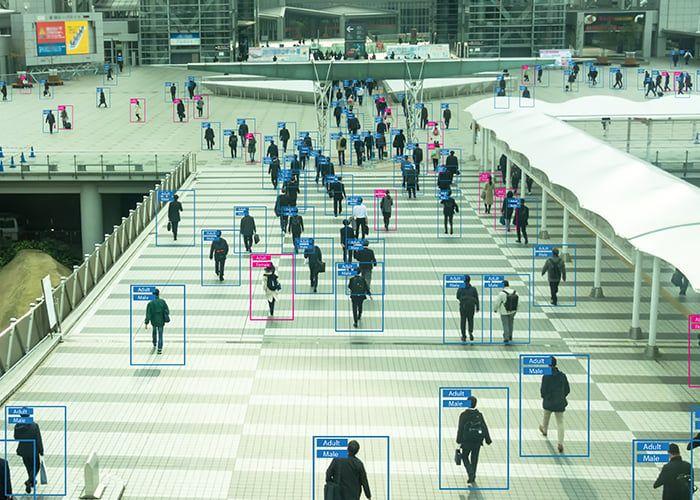
In a world saturated with visual data, the ability to interpret and understand imagery transcends mere observation. Image recognition is a transformative technology rapidly reshaping how we interact with the world around us. This comprehensive guide peels back the layers of image recognition, unveiling its core principles, showcasing its real-world applications, and peering into its exciting future. What is Image Recognition? Image recognition, a branch of artificial intelligence (AI), empowers computers to not only see digital images but also grasp their content. By meticulously analyzing patterns and pixels, image recognition software extracts valuable information from photos and videos, unlocking a treasure trove of possibilities. The Intricate Workings of Image Recognition Here’s a simplified breakdown of the image recognition process: Image Acquisition: An image is captured through a camera or retrieved from a digital source. This could be a photograph taken on your phone, a security camera feed, or a medical scan. Preprocessing: Before any analysis can occur, the image undergoes adjustments like noise reduction and color correction to enhance clarity. This ensures the software has the cleanest possible data to work with. Feature Extraction: Software identifies key features like shapes, edges, and colors within the image. These features act as a kind of digital fingerprint, allowing the software to compare the image to a vast database of labeled images. Classification: The extracted features are compared to a vast database of labeled images. By analyzing the similarities between the features in the new image and the features in the labeled images, the software can identify the content of the image. For example, the software might recognize a car, a person, or a specific object based on the features it has extracted. Real World Use Cases of Image Recognition Here are some compelling examples of its current applications of image recognition: Security and Surveillance: Facial recognition is used for access control in buildings, security purposes like identifying potential threats, and even targeted advertising based on demographics. The global security market, valued at USD 119.75 billion in 2022, is projected to grow at a CAGR of 8.0% by 2030, fueled by rising security concerns and stricter regulations. Medical Diagnosis and Treatment: Analysis of X-rays, MRIs, and other scans by image recognition software aids in disease diagnosis and treatment planning. Doctors can use this technology to detect abnormalities or identify specific features that would be difficult to see with the naked eye. The Rise of Self-Driving Cars: Image recognition empowers autonomous vehicles to navigate roads by recognizing objects and traffic signals. By identifying lanes, pedestrians, and other vehicles, self-driving cars can navigate complex road environments safely and efficiently. Smart Retail Revolution: Recommending products based on what customers look at in stores or upload photos exemplifies the power of image recognition in retail. This personalized shopping experience can save customers time and help retailers increase sales. Effortless Photo Organization: Automatic categorization of personal photos by faces, locations, and events simplifies photo management. No more spending hours manually tagging photos – image recognition can do the work for you. Trends in Image Recognition in 2024 and Beyond As image recognition technology continues to evolve, we can expect even more groundbreaking applications to emerge: Enhanced Security Systems: More sophisticated facial recognition systems with improved accuracy will bolster access control and crime prevention efforts. This could lead to more secure buildings and public spaces. Personalized Learning Experiences: Intelligent tutoring systems that analyze student facial expressions and adjust learning strategies in real-time will personalize education. This technology has the potential to improve student engagement and learning outcomes. Robotic Workforce Revolution: Robots equipped with advanced image recognition capabilities will perform tasks in homes and industries with greater efficiency. From automating assembly lines to assisting with elder care, image recognition can transform the way robots interact with the physical world. Environmental Monitoring in Real-Time: Real-time analysis of satellite and drone images will enable us to track deforestation and pollution more effectively. This can help us to better understand and address environmental challenges. AI-Powered Design Inspiration: AI-powered tools that suggest design ideas based on existing image patterns will transform the worlds of art and fashion. For instance, a designer uploading a photograph of a captivating sunset and receiving suggestions for a new clothing line inspired by its colors and textures. The possibilities for creative exploration are truly endless. The Ethical Considerations of Image Recognition While the potential of image recognition is vast, ethical considerations demand attention. Issues like privacy concerns, potential misuse of the technology, and bias in algorithms necessitate careful discussion and robust regulations. As image recognition becomes more sophisticated, ensuring responsible use and protecting individual privacy becomes paramount. Privacy Concerns: The widespread use of facial recognition technology raises concerns about individual privacy. Who has access to this data? How is it stored and used? These are important questions that need to be addressed to ensure that image recognition technology does not infringe on our right to privacy. Potential Misuse: The power of image recognition technology can be misused for surveillance or social control. It’s crucial to have safeguards in place to prevent the misuse of this technology and ensure it is used for ethical purposes. Bias in Algorithms: Image recognition algorithms are only as good as the data they are trained on. If the training data is biased, the algorithms themselves can become biased. This can lead to inaccurate results and perpetuate discrimination. Addressing bias in algorithms is essential for ensuring fair and equitable use of image recognition technology. Wrapping up Image recognition is revolutionizing the way we interact with machines and the world around us. This comprehensive guide has equipped you with the knowledge to understand its core principles, applications, and future potential. As this technology continues to develop in 2024 and beyond, the possibilities it unlocks are truly limitless. Beyond its current applications, image recognition has the potential to transform numerous other industries. Imagine a world where doctors use image recognition to diagnose diseases with unmatched accuracy, or where autonomous vehicles navigate city streets with flawless precision. The possibilities are truly endless. However, it’s crucial to acknowledge the ethical considerations surrounding image recognition. As with any powerful technology, proper safeguards must be put in place to ensure responsible use and protect individual privacy. In conclusion, image recognition is not merely a technological marvel; it’s a transformative force shaping the future. By harnessing its power responsibly, we can unlock a world of possibilities, fostering a more efficient, secure, and interconnected future. Aziro (formerly MSys Technologies) is a leading provider of AI solutions, including cutting-edge image recognition technology. Our team of experts can help you leverage this powerful technology to: Enhance security and surveillance Revolutionize your manufacturing processes Personalize the customer experience Gain valuable insights from visual data And much more! Contact Aziro (formerly MSys Technologies) today for a free consultation and discover how image recognition can transform your business. Don’t wait! The future is powered by image recognition. Let Aziro (formerly MSys Technologies) be your guide on this exciting journey.

Aziro Marketing

EXPLORE ALL TAGS
2019 dockercon
Advanced analytics
Agentic AI
agile
AI
AI ML
AIOps
Amazon Aws
Amazon EC2
Analytics
Analytics tools
AndroidThings
Anomaly Detection
Anomaly monitor
Ansible Test Automation
apache
apache8
Apache Spark RDD
app containerization
application containerization
applications
Application Security
application testing
artificial intelligence
asynchronous replication
automate
automation
automation testing
Autonomous Storage
AWS Lambda
Aziro
Aziro Technologies
big data
Big Data Analytics
big data pipeline
Big Data QA
Big Data Tester
Big Data Testing
bitcoin
blockchain
blog
bluetooth
buildroot
business intelligence
busybox
chef
ci/cd
CI/CD security
cloud
Cloud Analytics
cloud computing
Cloud Cost Optimization
cloud devops
Cloud Infrastructure
Cloud Interoperability
Cloud Native Solution
Cloud Security
cloudstack
cloud storage
Cloud Storage Data
Cloud Storage Security
Codeless Automation
Cognitive analytics
Configuration Management
connected homes
container
Containers
container world 2019
container world conference
continuous-delivery
continuous deployment
continuous integration
Coronavirus
Covid-19
cryptocurrency
cyber security
data-analytics
data backup and recovery
datacenter
data protection
data replication
data-security
data-storage
deep learning
demo
Descriptive analytics
Descriptive analytics tools
development
devops
devops agile
devops automation
DEVOPS CERTIFICATION
devops monitoring
DevOps QA
DevOps Security
DevOps testing
DevSecOps
Digital Transformation
disaster recovery
DMA
docker
dockercon
dockercon 2019
dockercon 2019 san francisco
dockercon usa 2019
docker swarm
DRaaS
edge computing
Embedded AI
embedded-systems
end-to-end-test-automation
FaaS
finance
fintech
FIrebase
flash memory
flash memory summit
FMS2017
GDPR faqs
Glass-Box AI
golang
GraphQL
graphql vs rest
gui testing
habitat
hadoop
hardware-providers
healthcare
Heartfullness
High Performance Computing
Holistic Life
HPC
Hybrid-Cloud
hyper-converged
hyper-v
IaaS
IaaS Security
icinga
icinga for monitoring
Image Recognition 2024
infographic
InSpec
internet-of-things
investing
iot
iot application
iot testing
java 8 streams
javascript
jenkins
KubeCon
kubernetes
kubernetesday
kubernetesday bangalore
libstorage
linux
litecoin
log analytics
Log mining
Low-Code
Low-Code No-Code Platforms
Loyalty
machine-learning
Meditation
Microservices
migration
Mindfulness
ML
mobile-application-testing
mobile-automation-testing
monitoring tools
Mutli-Cloud
network
network file storage
new features
NFS
NVMe
NVMEof
NVMes
Online Education
opensource
openstack
opscode-2
OSS
others
Paas
PDLC
Positivty
predictive analytics
Predictive analytics tools
prescriptive analysis
private-cloud
product sustenance
programming language
public cloud
qa
qa automation
quality-assurance
Rapid Application Development
raspberry pi
RDMA
real time analytics
realtime analytics platforms
Real-time data analytics
Recovery
Recovery as a service
recovery as service
rsa
rsa 2019
rsa 2019 san francisco
rsac 2018
rsa conference
rsa conference 2019
rsa usa 2019
SaaS Security
san francisco
SDC India 2019
SDDC
security
Security Monitoring
Selenium Test Automation
selenium testng
serverless
Serverless Computing
Site Reliability Engineering
smart homes
smart mirror
SNIA
snia india 2019
SNIA SDC 2019
SNIA SDC INDIA
SNIA SDC USA
software
software defined storage
software-testing
software testing trends
software testing trends 2019
SRE
STaaS
storage
storage events
storage replication
Storage Trends 2018
storage virtualization
support
Synchronous Replication
technology
tech support
test-automation
Testing
testing automation tools
thought leadership articles
trends
tutorials
ui automation testing
ui testing
ui testing automation
vCenter Operations Manager
vCOPS
virtualization
VMware
vmworld
VMworld 2019
vmworld 2019 san francisco
VMworld 2019 US
vROM
Web Automation Testing
web test automation
WFH

LET'S ENGINEER

Your Next Product Breakthrough

Book a Free 30-minute Meeting with our technology experts.

Aziro has been a true engineering partner in our digital transformation journey. Their AI-native approach and deep technical expertise helped us modernize our infrastructure and accelerate product delivery without compromising quality. The collaboration has been seamless, efficient, and outcome-driven.

Customer Placeholder
CTO

Fortune 500 company