Mobile App Development Updates

Uncover our latest and greatest product updates
blogImage

Designing for Diversity: A Guide to Mobile App Localization

The mobile app industry has no frontiers in today’s globalized environment. With billions of people owning smartphones, the potential audience for your app transcends cultures, languages, and geographies. To properly tap into this worldwide user base, you must master the art of mobile app localization. Localization is critical for mobile apps because it enables companies to access a worldwide audience, increase user engagement, and increase revenue. Users are more likely to download, use, and promote an app to others if they can access and utilize it in their native language and with cultural familiarity. The Importance of Localization Localization of mobile apps is more than just translation; it is about creating an experience that appeals to consumers from various backgrounds. This tutorial will provide you with the information and best practices you need to design a mobile app that crosses boundaries and speaks to the globe. Expanding Market Reach Localization is your ticket to international markets. It introduces you to areas you may not have previously considered. You may reach untapped user populations and generate new income streams by personalizing your software to certain locations. Enhancing User Experience Localized applications are not only accessible in multiple languages, but they also demonstrate cultural sensitivity and user-friendliness. It takes into account discrepancies in currencies, date and time formats, and additional regional preferences. Your application should be equally intuitive for users in Tokyo and New York. Fostering Cultural Understanding Localization serves as an intermediary between cultures, surpassing the function of translation. When users perceive that an application values and respects their language, customs, and values, it promotes cultural understanding and tolerance. As a consequence, user loyalty and satisfaction increase. Key Localization Terminology Prior to delving into the complexities of mobile application localization, it is critical to acquire a foundational understanding of certain terms and concepts. The subsequent definitions will serve as a guide for you on this journey: Internationalization (i18n) Internationalization, often known as i18n, is the process of planning and building your software so that it is adaptable to other geographies. It is about preparing the code and design of your software for simple adaptation. Consider it as laying a flexible base on which to add many languages and cultural components. Translation The heart of localization is translation. It entails translating your app’s text, graphics, and multimedia from one language to another. Translation is about transmitting the same content, context, and user experience across languages, not merely locating identical terms. Cultural Adaptation Cultural adaptation is the process of matching your app with your target audience’s cultural conventions, beliefs, and preferences. It’s where you go beyond language and make your software seem like it belongs in diverse cultures. This includes culturally appropriate artwork, colours, symbols, and even app features. Preparing for Localization Now that you’ve grasped the significance of localization and the fundamental terms, it’s time to get started on your localization adventure. Here are the first steps: Choosing Target Markets It is crucial to commence by identifying the countries and regions in which your application will be released. Language prevalence, market potential, and competition are critical determinants that significantly influence this decision. Perform comprehensive market research to identify the regions that present the greatest potential for your application. Internationalization (i18n) Internationalization is the first step in localizing an app well. It means making your app so that it can work in different places when you plan and build it. This means making sure that the code and style of your app are ready to be easily changed. For example, splitting content from code, letting content load dynamically, and making an interface that works well with multiple languages and cultures. The Localization Process Now that you have everything ready, it’s time to start the localization process. What it means is this : Translating Content Translation of content is what localization is all about. It’s not enough to just change the language; you need to make sure that the message and user experience are the same in all languages. Everything that needs to be translated is text, pictures, and videos. This part goes over the details of translation, including problems that can come up and the best ways to make sure that all versions are clear and consistent. Cultural Adaptation Adapting to the local culture is an important part of localization. It’s about making your app feel like it fits in with different cultures. It means changing pictures, colors, symbols, and even parts of an app to fit national norms. This part talks about why cultural adaptation is important and how to make sure that your app fits in with the cultural norms, beliefs, and tastes of the people you want to use it. Tools and Technologies for Localization There are many tools and technologies that can make the complicated process of localizing a mobile app easier. Here are a few important ones: Localization Tools Localization systems and tools make it easier to handle translations, keep track of progress, and keep track of versions. These tools make it easier for translation teams to work together, which saves time and makes sure that the language used is consistent. Picking the correct tools for your app’s needs is very important for good localization. Machine Translation Toolkits for machine translation can accelerate the localization process by a substantial margin. Nevertheless, they possess advantages and constraints. It is crucial to comprehend the optimal equilibrium between automation and human interaction. Although machine translation can enhance the efficiency of translation processes, the inclusion of human post-editing remains essential in order to guarantee both quality and accuracy. App Store Optimization and Marketing Optimizing your software for global app stores and efficiently promoting it in different areas is an important element of the localization process. Here’s what you should know: Localized App Store Listings You must establish translated app listings to maximize your app’s visibility in worldwide app marketplaces. Keywords, descriptions, pictures, and other aspects must be tailored to specific locations. These tactics will help your app rank better in search results and generate more downloads. Localized Marketing Strategies Marketing tactics should also be tailored to certain geographic areas and demographics. This section looks at how to utilize social media, user reviews, and localized marketing to promote your business globally. Understanding cultural and behavioral variations is critical for developing marketing efforts that appeal to a wide range of people. Challenges and Common Pitfalls Although localization presents significant advantages, it is not devoid of obstacles. Prevalent challenges encompass ensuring coherence across various languages, managing intricate character sets, and handling date and time formats. Extensive testing and quality assurance are essential components in guaranteeing the flawless functionality and cultural sensitivity of the localized application. Post-Localization Maintenance The road of localization does not end with the launch. Regular updates, bug repairs, and enhancements are required to ensure a consistent user experience across languages. User input is critical in fine-tuning your localized software over time. Seek out and listen to user feedback and recommendations in order to adapt to changing user demands and preferences. Conclusion In the age of global connectivity, mobile app localization is more than merely translating text; it also entails embracing diversity and providing experiences that resonate with consumers from all backgrounds. This book has provided you with the information and best practices needed to begin your path of developing a mobile app that crosses boundaries and speaks to the entire world. Designing for diversity via localization not only increases the worldwide appeal of your software, but it also promotes cultural awareness and inclusion. Begin your localization journey now to realize the full potential of your mobile app in an increasingly varied and interconnected globe. Aziro (formerly MSys Technologies) may be reached at marketing@aziro.com.

Aziro Marketing
blogImage

How to design a mobile app for a specific niche: 5 strategies for success

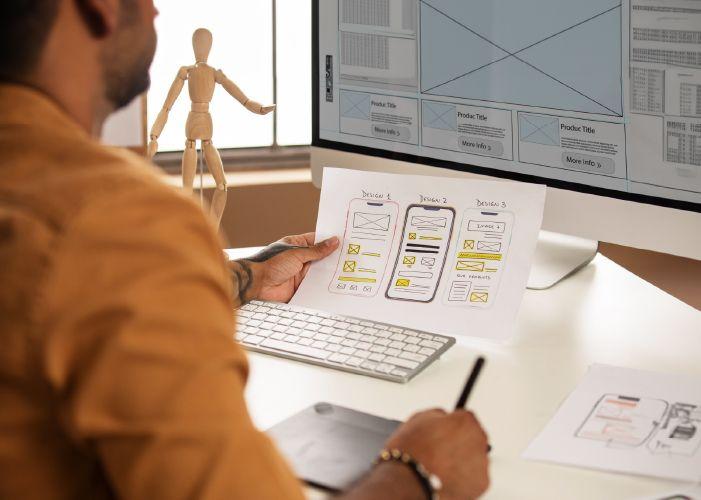
These days, it’s impossible to imagine life without the convenience of smartphone apps. As per research, people spend about three hours and fifteen minutes every day on their phones. The typical person checks their phone 58 times a day. A 13.8% CAGR from 2023 to 2030 is projected for the worldwide mobile application industry, which was worth USD 206.85 billion in 2022. You can find an app to do just about everything these days, from placing a restaurant order to monitoring your fitness progress. Millions of apps are available in various app stores, so every possible market may appear to have been covered. However, there is always potential for creativity and personalization, especially when building a mobile app for a specialized niche.Developing a mobile app for a specific niche demographic could prove to be a fruitful endeavor. It enables you to cater to a specific user group’s requirements and preferences, leading to a more engaged and devoted user base. We’ve listed five strategies for building a successful mobile app for a specific niche to assist you through the process.1. Thorough Market Research is KeyBefore developing mobile app design, you should know your market well and out. Conduct extensive market research to learn about your target audience’s needs, wants, and habits. By following the below-mentioned techniques, you will be able to understand your target audience better:Conduct market research to learn about your target audience’s demographics and psychographics.Talk to your potential consumers to discover what they want in an app.Study and analyze the competitors to find out what other applications exist and what features they provide.Define Your Target Audience:Identifying your target audience is the first step in creating a successful mobile app. Which audience are you trying to reach out to? What do they need and desire? What are their pain points? Once you have a firm grasp on who you want to use your app, you can create user personas. User personas are fictitious characters designed to represent your perfect customers. They assist you in keeping your consumers’ requirements and desires in mind when you create your app.Define Your Target Audience:Identifying your target audience is the first step in creating a successful mobile app. Which audience are you trying to reach out to? What do they need and desire? What are their pain points? Once you have a firm grasp on who you want to use your app, you can create user personas. User personas are fictitious characters designed to represent your perfect customers. They assist you in keeping your consumers’ requirements and desires in mind when you create your app.Analyze Competitors:Research similar applications to see what features are popular and what aren’t. Find voids in the market or niches in which you can excel.Identify User Needs:Focus on the end-users’ needs. Get to know their wants, struggles, and anticipations by conducting polls, in-depth interviews, or focus groups. This information will be beneficial throughout the design process.2. User-Centered Design ApproachThe UI, or user interface, is crucial to the success of any mobile app. A badly designed user interface might make it difficult for consumers to utilize your software, resulting in frustration and desertion. 90% of users decide how good an app is based on how it looks and feels, i.e., it’s UI. Ensure your user interface is straightforward to navigate and that labels are clear and to the point.How to make an interface more pleasant to the user:The design components should be kept simple and consistent.Make use of big, easy-to-read typefaces and bright, bold colors.Be specific but brief when labeling.Use white space to make your app easier on the eyes.Make your app more engaging by integrating gestures and animations.Create User Personas:Make detailed customer profiles based on what you’ve learned. These personas reflect the people you want to reach, and they help you create with their needs and interests in mind.Wireframing and Prototyping:Make wireframes and mockups of your app before you start full-scale development. This lets you see where the person is going and make changes early on if they are needed.Usability Testing:Test your site’s usability with real people in your field. Get people’s opinions and change your ideas based on what they say. This method makes sure that your app meets user standards.3. Simplicity and Intuitiveness MatterOne of the most important rules for making niche apps is to keep them simple. Your app should be easy to find your way around and use. Keep in mind the following:Streamlined User Interface:Make an interface that is clean and free of mess. Reduce the number of distractions and focus on the main features that meet the needs of your niche audience.User-Friendly Onboarding:Make the process of getting started with your app easy and smooth. Tell them what your app does for them and why it’s suitable for their area.4. Personalization and CustomizationPeople in niche markets often want customized experiences. Your app should allow users to tailor their interactions according to their preferences. Take into account the following:User Profiles:Allow users to specify their preferences and preferences for their profiles. Users of a fitness app, for instance, could be able to establish individual fitness objectives.Content Personalization:Customized content delivery in response to individual user actions and interests. This maintains users’ interest and gives them a sense of being heard.Notifications:Users should be allowed to choose the frequency and kind of alerts they receive. Some customers might like weekly notifications, while others would like daily updates.5. Continuous Feedback and ImprovementEven after you release your app, you still have a lot of work to do. To succeed in the niche app market, you must always be dedicated to improving. The steps are as follows:Feedback Mechanisms:Include ways for people to give you feedback, like polls or feedback forms, in your app. Actively ask for feedback from users and use it to make smart changes.Regular Updates:Release updates regularly to fix bugs, improve speed, and add new features based on user comments and changing trends in your niche.Stay Informed:Pay close attention to what’s going on in your field. Technology and user tastes change over time, so keeping up with news helps you adapt and stay competitive.By employing these strategies, you can create a mobile application that does well in its specific niche.In addition to the above strategies, here are some other things to keep in mind when making a mobile app for a specific niche:Make sure that your app fits your area. Don’t try to create an app that appeals to a larger audience. Instead, focus on making the app that is specific to your target niche,Find out what you can. Take time to learn about your target audience before building your app. What do they need and what do they want? What are their pain-points? What are some other popular apps in your field?Try new things. Don’t be scared to experiment with app design. The more distinctive and inventive your app, the more probable it is to stand out.Gather feedback. Get input from potential consumers after you have a prototype of your app. This will assist you in identifying any areas that require improvement.Improve and iterate. Don’t stop after you’ve released your app. Iterate and enhance your app in response to user input. This will assist you in keeping your app current and relevant.Here are some more pointers for creating a mobile app for a certain market:Start small. Make no attempt to create a sophisticated app with several features. Begin with a simple app that meets the needs of your target audience.Utilize a prototyping tool. You may use a prototype tool to create a mockup of your app without having to write it. This may be an excellent app strategy for obtaining feedback from potential customers and iterating on your design.Look for a mentor. If you’re starting, it might be beneficial to locate a mentor who can assist you with the design and development of your app. You may identify mentors in a variety of online networks and forums.Never give up. Designing and building a mobile app may be a challenging yet rewarding process. If you don’t succeed immediately, don’t give up. Continue to study and iterate, and you’ll eventually produce an app you’re happy with.Utilize cutting-edge technology. Because the mobile app industry is continually growing, it is critical to employ cutting-edge technology in your app. This will assist you in developing a more user-friendly and interesting app.Concentrate on performance. Because the mobile app industry is continually growing, employing advanced technology in your app is critical. This will assist you in developing a more user-friendly and interesting app.Concentrate on performance. High-performance apps are rising in demand among mobile consumers. Ensure your app’s performance is optimized not to slow down or crash.Thoroughly test your app. Make sure to extensively test your app on various devices and operating systems before releasing it. This will assist you in locating any bugs or performance concerns.Effectively promote your app. After you’ve released your app, you’ll need to advertise it so that people are aware of it successfully. Several methods for promoting your app include social networking, search engine optimization, and paid promotion.In conclusion, building a niche-specific mobile app is a lucrative endeavor that calls for careful preparation, user-centered design, and a dedication to constant development. You can increase the odds of your app’s success in a crowded market by conducting in-depth specialized research, prioritizing users’ demands, and designing a streamlined, user-friendly interface. Always remember that the secret to sustainable success is maintaining a keen awareness of and nimble responsiveness to the specific demands of your target audience. Your specialized mobile app has the potential to grow into a lucrative business if you employ the appropriate marketing strategies.Do you want to create a mobile app for a specific market? Get in touch with Aziro (formerly MSys Technologies) to learn more about how our knowledge in mobile app design and development may help you realize your vision for an innovative app.

Aziro Marketing

EXPLORE ALL TAGS
2019 dockercon
Advanced analytics
Agentic AI
agile
AI
AI ML
AIOps
Amazon Aws
Amazon EC2
Analytics
Analytics tools
AndroidThings
Anomaly Detection
Anomaly monitor
Ansible Test Automation
apache
apache8
Apache Spark RDD
app containerization
application containerization
applications
Application Security
application testing
artificial intelligence
asynchronous replication
automate
automation
automation testing
Autonomous Storage
AWS Lambda
Aziro
Aziro Technologies
big data
Big Data Analytics
big data pipeline
Big Data QA
Big Data Tester
Big Data Testing
bitcoin
blockchain
blog
bluetooth
buildroot
business intelligence
busybox
chef
ci/cd
CI/CD security
cloud
Cloud Analytics
cloud computing
Cloud Cost Optimization
cloud devops
Cloud Infrastructure
Cloud Interoperability
Cloud Native Solution
Cloud Security
cloudstack
cloud storage
Cloud Storage Data
Cloud Storage Security
Codeless Automation
Cognitive analytics
Configuration Management
connected homes
container
Containers
container world 2019
container world conference
continuous-delivery
continuous deployment
continuous integration
Coronavirus
Covid-19
cryptocurrency
cyber security
data-analytics
data backup and recovery
datacenter
data protection
data replication
data-security
data-storage
deep learning
demo
Descriptive analytics
Descriptive analytics tools
development
devops
devops agile
devops automation
DEVOPS CERTIFICATION
devops monitoring
DevOps QA
DevOps Security
DevOps testing
DevSecOps
Digital Transformation
disaster recovery
DMA
docker
dockercon
dockercon 2019
dockercon 2019 san francisco
dockercon usa 2019
docker swarm
DRaaS
edge computing
Embedded AI
embedded-systems
end-to-end-test-automation
FaaS
finance
fintech
FIrebase
flash memory
flash memory summit
FMS2017
GDPR faqs
Glass-Box AI
golang
GraphQL
graphql vs rest
gui testing
habitat
hadoop
hardware-providers
healthcare
Heartfullness
High Performance Computing
Holistic Life
HPC
Hybrid-Cloud
hyper-converged
hyper-v
IaaS
IaaS Security
icinga
icinga for monitoring
Image Recognition 2024
infographic
InSpec
internet-of-things
investing
iot
iot application
iot testing
java 8 streams
javascript
jenkins
KubeCon
kubernetes
kubernetesday
kubernetesday bangalore
libstorage
linux
litecoin
log analytics
Log mining
Low-Code
Low-Code No-Code Platforms
Loyalty
machine-learning
Meditation
Microservices
migration
Mindfulness
ML
mobile-application-testing
mobile-automation-testing
monitoring tools
Mutli-Cloud
network
network file storage
new features
NFS
NVMe
NVMEof
NVMes
Online Education
opensource
openstack
opscode-2
OSS
others
Paas
PDLC
Positivty
predictive analytics
Predictive analytics tools
prescriptive analysis
private-cloud
product sustenance
programming language
public cloud
qa
qa automation
quality-assurance
Rapid Application Development
raspberry pi
RDMA
real time analytics
realtime analytics platforms
Real-time data analytics
Recovery
Recovery as a service
recovery as service
rsa
rsa 2019
rsa 2019 san francisco
rsac 2018
rsa conference
rsa conference 2019
rsa usa 2019
SaaS Security
san francisco
SDC India 2019
SDDC
security
Security Monitoring
Selenium Test Automation
selenium testng
serverless
Serverless Computing
Site Reliability Engineering
smart homes
smart mirror
SNIA
snia india 2019
SNIA SDC 2019
SNIA SDC INDIA
SNIA SDC USA
software
software defined storage
software-testing
software testing trends
software testing trends 2019
SRE
STaaS
storage
storage events
storage replication
Storage Trends 2018
storage virtualization
support
Synchronous Replication
technology
tech support
test-automation
Testing
testing automation tools
thought leadership articles
trends
tutorials
ui automation testing
ui testing
ui testing automation
vCenter Operations Manager
vCOPS
virtualization
VMware
vmworld
VMworld 2019
vmworld 2019 san francisco
VMworld 2019 US
vROM
Web Automation Testing
web test automation
WFH

LET'S ENGINEER

Your Next Product Breakthrough

Book a Free 30-minute Meeting with our technology experts.

Aziro has been a true engineering partner in our digital transformation journey. Their AI-native approach and deep technical expertise helped us modernize our infrastructure and accelerate product delivery without compromising quality. The collaboration has been seamless, efficient, and outcome-driven.

Customer Placeholder
CTO

Fortune 500 company