DevOps Updates

Uncover our latest and greatest product updates
What Are DevOps Services and How Do They Impact the Engineering Team?

What Are DevOps Services and How Do They Impact the Engineering Team?

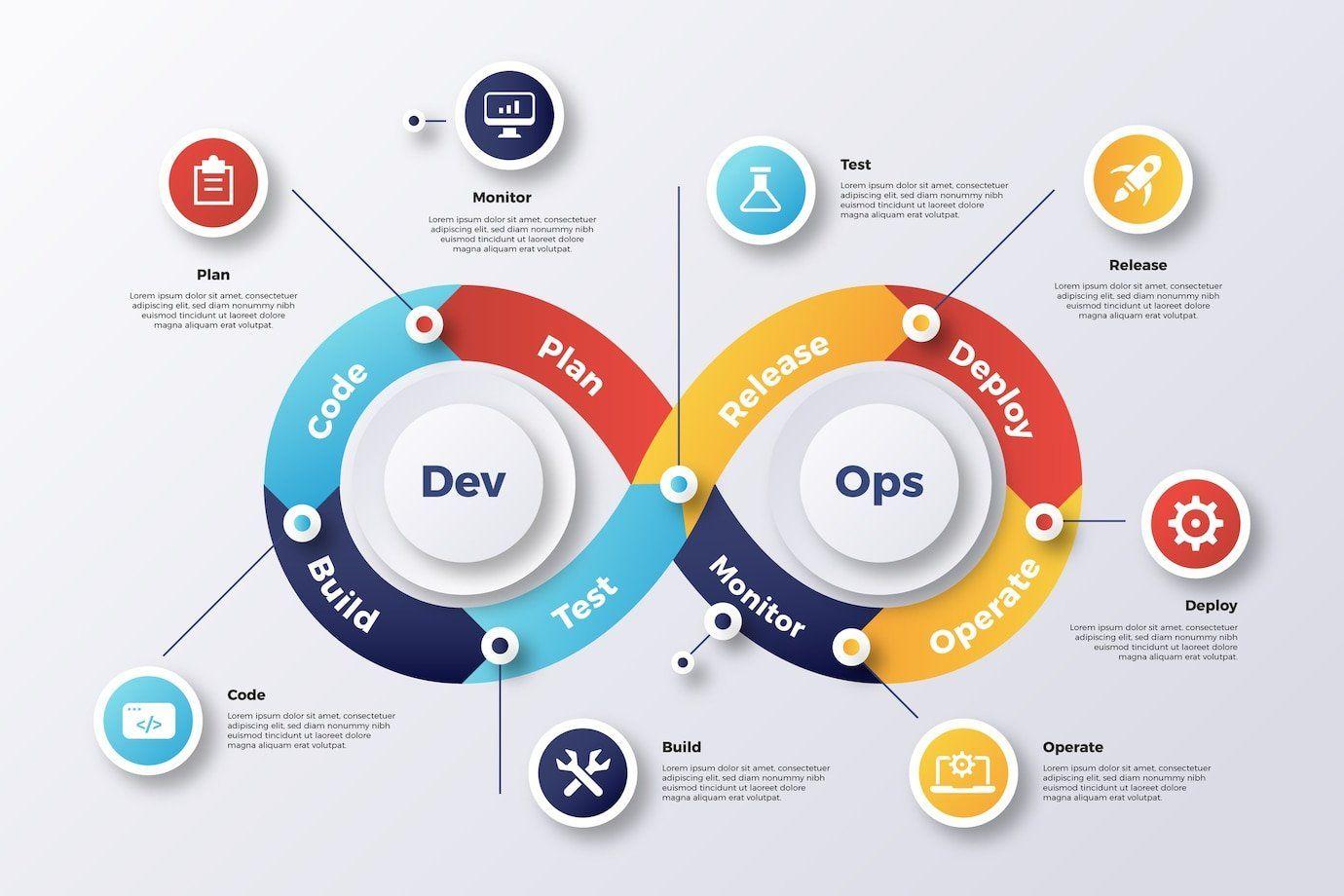
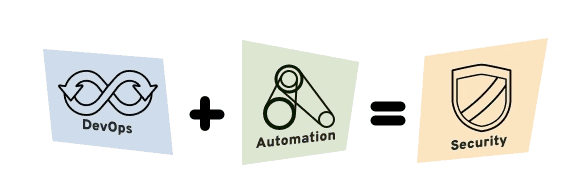
Nowadays, development teams are under pressure to deliver high-quality software products without compromising performance, security, and reliability. Thus, several organizations have increasingly adopted DevOps to meet this demand. According to Puppet’s 2023 State of DevOps Report, 69% of organizations practicing DevOps reported improved software delivery performance, while high-performing teams deploy code 208 times more frequently than their lower-performing counterparts. These numbers highlight the significance of adopting DevOps practices, especially for engineering teams to build scalable and reliable software. Therefore, in this blog, we will dive into DevOps services and their impact on the engineering teams. An Introduction to DevOps Service DevOps Service refers to tools, practices, and culture philosophies that automate the collaboration between software development and operations teams. It aims to deliver faster software releases, enhance code quality, and improve collaboration. In addition, several DevOps companies can also attain both speed and reliability in the software development life cycle (SDLC) process by collaborating with software development and IT operations teams. Also, there are several ways to implement DevOps service, including Continuous Integration/Continuous Deployment (CI/CD), infrastructure as code (IaC), version control systems, cloud resource management, cloud infrastructure management, and configuration management. By eliminating workflow bottlenecks and enhancing continuous and real-time collaboration, DevOps services enable engineering teams to release more reliable and high-quality code at a higher velocity. Advantages of Adopting DevOps Services for the Engineering Team Implementing DevOps service transforms how engineering teams develop, deploy, and maintain software products. Also, it reduces the gap between development and operation teams to deploy faster software releases, improve reliability, and enhance collaboration. Enhanced Productivity and Collaboration DevOps supports collaboration between software development, IT operations, and QA teams. Although traditional software development methodologies separate these teams, they work independently, which causes software product delays and confusion. DevOps practices eliminate all these barriers by providing various tools, objectives, and processes. Engineering teams can easily coordinate workflows with monitoring tools, CI/CD pipelines, and integrated communication platforms. Tasks like software deployments, code reviews, and performance testing are aligned through an associated process. Consequently, it results in streamlined decision-making, reduced development cycles, and maximized overall productivity. Accelerated Software Deployment DevOps services enable engineering teams to enhance software release speed with continuous integration and continuous delivery (CI/CD) pipelines. Automated build, test, and software deployment processes minimize the time between code commits and software releases. It ensures that engineering teams can respond to market demands and customer feedback faster than before. Also, faster software deployments can lead to higher business agility and competitive advantage. According to the 2023 State of DevOps Report, elite-performing DevOps teams deploy code 973 times more frequently than low performers, with 6570 times faster lead times from commit to deployment. This allows organizations to easily acknowledge security concerns and customer needs faster than companies relying on traditional software development methodologies. Enhanced Code Quality Improved code quality builds reliable, scalable, and secure software products. DevOps practices incorporate continuous integration tools, automated testing, and code analysis to ensure that every code change meets quality standards before it reaches software deployment. By integrating QA testing directly into CI/CD pipelines, engineering teams can analyze and resolve early development bugs, performance bottlenecks, and security risks. Some interconnected methods, such as peer code reviews, collaborative development practices, and static code analysis, enhance code consistency. This leads to more effective codebases, reduced debugging sessions, and more predictable software behavior in development. Advanced Data Privacy DevOps services enhance data privacy by integrating security protocols and security compliance directly into the software development and deployment pipeline. This methodology is referred to as DevSecOps. Several security-oriented automation tools manage code security reviews, vulnerability scans, and code security reviews at every stage of the deployment process. DevOps practices such as Infrastructure as Code (IaC) tools also help implement secure configurations, and encryption protocols ensure that data is protected in transit and at rest. DevOps supports secret managers and key vaults to store sensitive information, such as tokens, passwords, and keys. By embedding security into DevOps, engineering teams can easily analyze potential vulnerabilities, minimizing the risk of data breaches. Furthermore, it helps gain organizational trust and reduces reputational and financial risks. Enhanced Scalability and Seamless Flexibility DevOps services offer the engineering teams flexibility and scalability, which is required to adapt software applications and infrastructure. Using DevOps practices like Infrastructure as Code (IaC), cloud-native deployments, and containerization, engineering teams can easily provision and scale resources on demand without a hands-on approach. Some prominent container and orchestration platforms, such as Kubernetes, can simplify distributed systems management by automating scaling, deployment, and recovery. In addition, operational flexibility ensures that systems remain highly available, even during major product rollouts and heavy load conditions. Engineering teams can test some new features in isolated environments and later respond to system incidents with high availability. To Wrap Up In conclusion, DevOps services have been a game-changer for all the engineering teams striving to deliver high-quality software products. With the culture of collaboration, continuous improvement, and automation, DevOps helps shorten development cycles and improve the quality of the code. Improved productivity, faster software deployment, robust security practices, and scalability. It enhances operational efficiency and strengthens the team’s ability to adapt quickly to market demands, with benefits like increased productivity, faster deployment, scalability, and security practices. As several businesses continue to adopt DevOps, the engineering teams can always take advantage of it. Consequently, it will ensure software products’ reliable, secure, and scalable delivery. Frequently Asked Questions (FAQs) Q. What are the seven different phases of DevOps? Ans: DevOps has seven phases, including continuous development, integration, testing, monitoring, feedback, deployment, and operations.

Aziro Marketing

blogImage

Best DevOps Services Every Engineering Team Should Consider

Nowadays, DevOps is not just a methodology, but it’s a proven approach to drive effective engineering outcomes and faster releases. As system and product cycles speed up, teams are delivering faster, automated, and reliable infrastructure. According to recent data,50% of DevOps adopters are now elite or high performers, and 30% improvement over the previous years. This data highlights increased adoption, along with a growing maturity across automation, pipelines, collaboration, and infrastructure models. For engineering teams willing to grow their teams and increase deployment frequency, choosing the right DevOps services is significant. In this blog, we will explore the best services that are transforming engineering teams to build scalable and secure delivery pipelines.7 Best DevOps Services For Evolving Engineering TeamsHere is the list of the top 8 services designed to help teams stay flexible, deployment-ready, and agile. From CI/CD and version control systems to monitoring and logging tools, these services aren’t just trends — they are the foundation of scalable and reliable software. If your DevOps team is evolving, these are the services you should consider.Continuous Integration/Continuous Deployment (CI/CD)CI/CD is a significant feature of modern DevOps practices, automating the integration and delivery of code. It enables the team to test and release applications faster than before. CI detects errors and also enhances the quality of the code. However, CD allows the code to get into a deployable state constantly for every small change. Here are several renowned CI/CD tools mentioned. Let’s discuss them one by one:GitHub ActionsA powerful CI/CD platform or tool built into GitHub, which enables developers to automate software development workflows. GitHub Actions allows users to build, test, and deploy software applications directly from GitHub. Additionally, it also supports matrix builds and native integration with GitHub repositories.JenkinsJenkins is a prominent and open-source automation server and a widely used CI/CD platform. It is used for the automation of software development, such as building, testing, and deploying, enabling streamlined CI/CD workflows. Furthermore, this CI/CD tool supports several version control tools like CVS, Subversion, AccuRev, Git, RTC, Mercurial, ClearCase, and Perforce.Circle CICircleCI is another CI/CD platform that seamlessly implements DevOps practices. This CI/CD platform provides both self-hosted and cloud solutions. It also automates the software development process to assist development teams in releasing code efficiently.Several DevOps consulting companies identify these tools as a significant component for development teams willing to implement CI/CD pipelines.Version Control SystemsVersion Control Systems(VCS) is a DevOps service tool that easily identifies and manages changes to files or even sets of files. It collaborates, maintains changes, and reverts to previous versions. With VCS, you and your development team can work on the same project simultaneously, concurrently, and without any conflict.GitHubGitHub is a Git-based developer platform that offers collaborative features like pull requests, issue tracking, and project boards. With the help of GitHub, developers can conveniently create, store, share, and manage software code. In addition, it also supports both public and private repositories.GitLabGitLab is an open-source code repository platform or tool used for both DevOps and DevSecOps projects. Users can use it both as a commercial and a community edition. It brings all the development, security, and operations capabilities into one single platform with a unified data storage.Infrastructure as Code (IaC)Infrastructure as Code (IAC) is used to create environments mainly for infrastructure automation. It is a process of managing, provisioning, and supporting IT infrastructure using code rather than manual processes and settings. IAC also easily builds, tests, and deploys software applications.TerraformTerraform is one of the prominent and open-source IaC tools that is used to define and provision infrastructure with human-readable configuration files. It also uses various providers to interact with private clouds along with several cloud platforms, including Google Cloud, AWS, and Microsoft Azure.AWS CloudFormationAWS CloudFormation is a service offered by AWS that allows users to define and manage infrastructure resources in an automated way. It uses templates, which are mainly IaC, to define the desired state of AWS resources. Moreover, it creates and manages stacks, which are essentially collections of AWS resources.Configuration ManagementConfiguration Management is a process of maintaining both software and hardware systems in a desired state. It also ensures that systems perform consistently, reliably, and meet their desired purpose over time. Furthermore, it restricts troubleshooting and costly rework to save resources as well as time.PuppetPuppet is a popular configuration management tool that is best for managing the stages of the IT infrastructure. It enables administrators to define the ideal state of their infrastructure. Also, this tool assures that systems are configured to match the desired state.ChefChef is another configuration management tool that integrates with various cloud-based platforms such as Google Cloud, Oracle Cloud, IBM Cloud, Microsoft Azure, and so on. Also, this tool seamlessly converts infrastructure to code.Cloud Infrastructure ManagementCloud Infrastructure Management conveniently allocates, delivers, and manages cloud computing resources. It allows businesses to scale their cloud resources up or down to meet their organization’s needs. Additionally, it also uses code to define and manage cloud infrastructure, which later enables automation and consistency.AWSAmazon Web Services (AWS) is one of the most prominent cloud platforms which can be accessed by individuals, companies, and governments. It offers various cloud services like compute, storage, analytics, databases, networking, and so on.Google CloudGoogle Cloud is another cloud platform offered by Google that enables both individuals and businesses to run applications, store data, and seamlessly manage workloads. It also provides environments like serverless computing, infrastructure as a service, and platform as a service.ContainerizationContainerization is an application-level virtualization, allowing software applications to run in isolated user spaces, which are called containers in both cloud and non-cloud environments. It is generally lightweight and needs very few resources as compared to virtual machines.DockerDocker is an open-source platform that allows developers to deliver software in packages, which are called containers. Moreover, it helps developers to build lightweight and portable containers across various environments.OrchestrationOrchestration tools are a well-known orchestration tool that easily coordinates and manages several automated tasks and workflows across various applications. It minimizes human error and manual intervention by seamlessly automating workflows. Also, it is ideal for growing businesses, as it can easily handle large-scale operations.KubernetesKubernetes is an open-source orchestration tool that is specially designed to automate the software deployment, scaling, and management of applications. This tool allocates resources to containers based on their needs, to ensure that all the containers have the resources they require to run.Wrapping UpEngineering teams who are willing to deliver software fast and safely should choose the right DevOps services. From streamlining CI/CD tools and managing infrastructure as code to orchestration and cloud infrastructure management, these tools play a significant role in software delivery practices. Apart from these services, there are several other services also that are mentioned in this blog, which allow teams to maintain operational resilience, enhance collaboration, and automate processes.

Aziro Marketing

blogImage

Top 7 CI/CD Services Providers for Seamless Software Deployment

Continuous Integration and Continuous Deployment (CI/CD) have become essential for modern development teams. These practices ensure faster releases, improved software quality, and seamless automation. Choosing the right CI/CD services provider becomes crucial as businesses strive for agile and efficient workflows. This article explores the top 7 CI/CD service providers that offer robust pipelines, seamless integrations, and scalable automation for software deployment across various environments, including cloud platforms.What is CI/CD?Continuous Integration (CI) and Continuous Delivery (CD) are pivotal practices in the software development lifecycle that empower development teams to deliver high-quality software swiftly and reliably. CI involves developers frequently merging code changes into a central repository, where automated builds and tests are executed. This ensures that each code commit is automatically validated, catching issues early in development.CD takes this a step further by automating the deployment of updates to designated environments after successful builds. This reduces manual intervention and accelerates feedback loops, allowing teams to respond rapidly to changes and issues. CI and CD form a “CI/CD pipeline,” a series of steps developers follow to deliver new software. This pipeline includes continuous integration, continuous delivery, and continuous deployment in more mature setups, where every change that passes automated tests is automatically deployed to production.CI/CD practices are supported by development and operations teams working collaboratively, often adopting agile methodologies or a site reliability engineering (SRE) approach. The goal is to streamline and expedite the software development lifecycle, minimizing the risk of errors and bugs in software releases. CI/CD tools play a crucial role in this process by automating the continuous integration and delivery/deployment phases, providing a robust system for rolling back errors, and ensuring consistent, high-quality software delivery.Benefits of CI/CDCI/CD offers substantial benefits to both development teams and businesses.Development Velocity and Code QualityOne of the primary advantages is the improvement in development velocity. By providing immediate feedback and automating repetitive tasks, CI/CD enables teams to address issues when they are smaller and less complex. This not only speeds up the development process but also enhances code quality through consistent automated testing, standardized build processes, and enforced quality gates that prevent problematic code from advancing through the pipeline.Moreover, CI/CD facilitates faster time-to-market for software releases, significantly reducing the risk of errors and bugs. It fosters better collaboration and communication among DevOps teams by providing a consistent and transparent workflow. Additionally, CI/CD reduces deployment risks by encouraging smaller, more frequent changes, which are inherently less risky than large, infrequent updates. This approach ensures that development teams can deliver high-quality software quickly and reliably, meeting the ever-evolving demands of modern development environments.Evaluating CI/CD Services ProvidersCriteria for EvaluationWhen evaluating CI/CD services providers, several critical criteria should be considered to ensure the chosen tool meets the needs of your development teams. First and foremost, assess the core functionality of the CI/CD tool, including its capabilities for automated testing, continuous integration, continuous deployment, and automated deployment. It’s essential to find a provider that balances robust functionality with a user-friendly design to facilitate smooth adoption and usage.Onboarding is another crucial factor. A provider with a streamlined onboarding process and strong customer support can significantly enhance the tool’s adoption and effectiveness. Additionally, consider the value for money by comparing the cost against the benefits provided, ensuring that the investment aligns with your organization’s budget and needs.Customer reviews and feedback offer valuable insights into the real-world performance of CI/CD tools. Look for feedback on the provider’s ability to fulfill basic operational needs, offer advanced features, and deliver excellent user experiences. Security and compliance features are also paramount; evaluate the provider’s capabilities in static application security testing and automated code integration to ensure your software remains secure throughout the development lifecycle.Finally, consider the provider’s support for multiple tools, multiple cloud providers, and various deployment processes. A versatile CI/CD tool that integrates seamlessly with different environments and platforms can significantly enhance your development team’s efficiency and flexibility, enabling them to deliver high-quality software quickly and reliably.1. GitHub ActionsGitHub Actions has revolutionized software deployment by providing a native CI/CD service integrated within GitHub repositories. It allows developers to automate workflows, manage dependencies, and deploy applications seamlessly.Key Features:1. Deep GitHub Integration for Version Control Systems and AutomationSeamlessly integrating with GitHub, GitHub Actions provides a powerful and automated approach to version control and CI/CD pipelines. Developers can trigger workflows based on GitHub events such as code pushes, pull requests, and issue updates, ensuring that automation aligns with the development lifecycle. With deep integration, teams can enforce code quality, automate testing, and manage the deployment process directly from their repositories, reducing manual overhead and streamlining DevOps practices.Flexible YAML-Based WorkflowsGitHub Actions leverages YAML-based workflow configurations, allowing developers to define complex automation processes easily. These workflows support multiple jobs, conditional executions, and matrix builds, offering extensive customization for various environments. YAML’s declarative nature makes it easy to version, review, and modify workflows as code, ensuring consistency and reproducibility across different stages of software development.Built-in Marketplace for Reusable ActionsThe GitHub Actions Marketplace offers a vast library of pre-built actions to which the community and industry leaders contribute. These reusable components simplify workflow automation by providing ready-to-use integrations for cloud deployments, testing frameworks, security scanning, and more. Developers can leverage these actions to accelerate development cycles, reduce boilerplate code, and enhance workflow efficiency without reinventing the wheel.Self-Hosted and Cloud-Hosted RunnersGitHub Actions supports cloud-hosted and self-hosted runners, giving teams flexibility in executing workflows based on their infrastructure needs. Cloud-hosted runners provide a managed environment with pre-installed tools and dependencies, making them ideal for standard CI/CD tasks. On the other hand, self-hosted runners offer greater control over the execution environment, enabling custom configurations, increased performance, and enhanced security by running workflows within a private network.Best For:Startups and enterprises are already using GitHub for code hosting and collaboration.2. GitLab CI/CDGitLab CI/CD is a powerful, end-to-end DevOps platform with strong automation capabilities. It is deeply integrated with GitLab repositories, offering comprehensive software lifecycle management.Key Features:Auto DevOps for Easy Continuous Integration Pipeline SetupAuto DevOps simplifies the CI/CD pipeline setup by automatically detecting project requirements and configuring an optimal workflow. It streamlines the software delivery process by eliminating the need for manual pipeline configuration, making it particularly useful for teams looking to accelerate development cycles. With built-in best practices, Auto DevOps handles everything from building and testing to deploying applications, reducing setup time and ensuring consistency across projects with the help of configuration management tools.Container Registry SupportIntegrated container registry support allows seamless storage, management, and deployment of containerized applications. Developers can securely push and pull container images within their CI/CD pipelines, ensuring a streamlined workflow for Docker and Kubernetes-based deployments. With built-in authentication and versioning, container registry integration enhances security and enables efficient artifact management for modern DevOps workflows.Parallel Job Execution for Faster BuildsBy enabling parallel job execution, DevOps pipelines can significantly reduce build and deployment times. Workflows can be designed to run multiple jobs concurrently, such as testing on different environments or executing independent build steps simultaneously. This parallelism ensures that software teams can iterate faster, detect issues earlier, and deliver high-quality applications with minimal delays.Kubernetes Integration for Cloud-Native ApplicationsSeamless Kubernetes integration allows developers to deploy and manage cloud-native applications efficiently. With built-in support for Kubernetes clusters, teams can automate microservices-based applications’ deployment, scaling, and monitoring. This integration simplifies container orchestration, ensuring that applications are consistently deployed across environments while leveraging Kubernetes’ robust infrastructure for high availability and scalability.Best For:Organizations looking for an all-in-one DevOps platform with security and monitoring tools.3. JenkinsJenkins is a highly popular open-source automation server with extensive plugin support for building, testing, and deploying software.Key Features:Over 1,500 Plugins for Extended FunctionalityWith a vast ecosystem of over 1,500 plugins, Jenkins provides extensive customization options to support various tools, platforms, and workflows. These plugins enable integrations with version control systems, cloud providers, security tools, testing frameworks, and more. Whether automating deployments, monitoring performance, or integrating with third-party applications, Jenkins’ plugin architecture ensures flexibility, making it adaptable to any CI/CD requirement.Customizable Pipelines Using Groovy ScriptsJenkins pipelines offer deep customization through Groovy-based scripting, allowing developers to define highly flexible and complex CI/CD workflows. Using Jenkinsfile, teams can write declarative or scripted pipelines, implement condition-based execution, and integrate advanced logic into their automation processes. This scripting capability provides granular control over build, test, and deployment stages, ensuring tailored automation for diverse project needs.Scalability with Distributed BuildsJenkins supports distributed builds through its master-agent architecture, allowing workloads to be executed across multiple machines. This enhances scalability by enabling parallel job execution, reducing build times, and optimizing resource utilization. Distributed builds are helpful for large-scale development teams working on multiple projects, ensuring efficient CI/CD operations without bottlenecks.Robust Community SupportAs an open-source CI/CD tool with a strong global community, Jenkins benefits from extensive documentation, active forums, and frequent contributions from developers worldwide. The large user base ensures continuous improvement, security updates, and innovative plugins, making Jenkins a reliable choice for DevOps teams. Community-driven support also means quick troubleshooting, shared best practices, and access to evolving automation trends.Best For:Companies need a flexible, customizable CI/CD solution with strong plugin support.4. CircleCICircleCI is a cloud-native CI/CD service that prioritizes speed, scalability, and automation efficiency. It is known for its robust security and parallel execution capabilities.Key Features:Optimized Caching for Faster BuildsEfficient caching mechanisms reduce build times by reusing previously compiled dependencies, artifacts, and container layers. By leveraging incremental builds and smart dependency caching, CI/CD pipelines can avoid redundant computations, significantly speeding up development cycles. Optimized caching minimizes network usage, lowers resource consumption, and ensures faster feedback loops for developers.Docker Support for Containerized ApplicationsNative Docker integration allows seamless containerized application building, testing, and deployment. CI/CD pipelines can pull base images, build containers, and push them to registries without additional configurations. With support for multi-stage builds and Docker Compose, teams can create lightweight, portable, and scalable applications that run consistently across different environments.Seamless GitHub and Bitbucket IntegrationDeep integration with GitHub and Bitbucket streamlines code management, enabling automatic triggers for builds, tests, and deployments. Developers can configure webhooks to initiate workflows based on commits, pull requests, and branch updates. This tight integration ensures version control synchronization, enhances collaboration, and automates code quality checks, making the development process more efficient.Insights Dashboard for Performance MonitoringA built-in insights dashboard provides real-time visibility into build performance, test results, and deployment statuses. Developers and DevOps teams can track key metrics, identify bottlenecks, and optimize workflows based on historical trends. With detailed logs, error reporting, and visual analytics, the dashboard enables proactive troubleshooting, ensuring smoother CI/CD operations and improved software delivery.Best For:Development teams looking for a fast and scalable CI/CD service with minimal configuration.5. Travis CITravis CI is a simple yet effective CI/CD tool widely used in open-source projects. It integrates seamlessly with GitHub repositories and supports various programming languages.Key Features:Cloud and On-Premises Deployment OptionsFlexibility in deployment is critical for modern CI/CD workflows, and the ability to choose between cloud-based or on-premises setups ensures adaptability to different infrastructure needs. Cloud deployment offers scalability, managed infrastructure, and reduced maintenance, while on-premises deployment provides greater control over security, compliance, and data governance. This dual option enables organizations to align their CI/CD strategy with operational and regulatory requirements.Language-Agnostic SupportSupporting multiple programming languages ensures that development teams with diverse tech stacks can seamlessly integrate CI/CD automation. Whether the project is built using Java, Python, JavaScript, C++, or any other language, pipelines can compile, test, and deploy without restrictions. This language-agnostic approach is ideal for polyglot environments, microservices architectures, and heterogeneous development teams.Automated Parallel BuildsParallel execution of builds allows CI/CD pipelines to complete faster by running multiple tasks simultaneously. Whether compiling code, running tests or deploying different microservices, automated parallel builds optimize resource utilization and improve developer productivity. This capability is especially beneficial for large projects, reducing bottlenecks and accelerating time to market.Integration with AWS, Google Cloud, and MoreSeamless integration with major cloud providers like AWS, Google Cloud, and Azure enables automated deployments, infrastructure provisioning, and cloud-native application management. Developers can leverage built-in support for cloud storage, Kubernetes orchestration, and serverless deployments to enhance scalability and efficiency. These integrations ensure a smooth DevOps workflow, allowing teams to deploy applications globally with minimal friction.Best For:Open-source contributors and small teams seeking a straightforward CI/CD solution.6. Azure DevOpsAzure DevOps by Microsoft provides a complete DevOps suite, including CI/CD pipelines, version control, and collaboration tools. It integrates well with Azure cloud services and other Microsoft products.Key Features:Azure Pipelines for CI/CD Automation and Automated TestingAzure Pipelines provides a robust and scalable CI/CD automation framework that enables seamless software delivery across platforms. With support for any language, framework, or platform, Azure Pipelines automates code builds, tests, and deployments to various environments, including cloud, on-premises, and hybrid infrastructures. It integrates natively with Azure DevOps and offers features like YAML-based pipeline configuration, parallel job execution, and built-in security scanning, ensuring a smooth DevOps workflow.Comprehensive Test Management ToolsEnsuring software quality is crucial, and Azure DevOps provides comprehensive test management tools to streamline the testing lifecycle. From unit and integration tests to manual and exploratory testing, teams can execute, track, and analyze test results within a centralized platform. Advanced reporting, real-time defect tracking, and integration with third-party test frameworks like Selenium, JUnit, and NUnit further enhance test automation and quality assurance.Integration with Visual Studio and GitHubDeep integration with Visual Studio and GitHub simplifies the development process by enabling seamless collaboration, version control, and automated workflows. Developers can trigger builds, run tests, and deploy applications directly from GitHub repositories while leveraging Visual Studio’s debugging and profiling capabilities. This integration ensures a unified development experience, reducing coding, testing, and deployment friction.Multi-Cloud and Hybrid Deployment SupportAzure Pipelines offers robust multi-cloud and hybrid deployment capabilities, allowing teams to deploy applications across Azure, AWS, Google Cloud, and on-premises environments. With built-in Kubernetes support, serverless functions, and infrastructure-as-code automation, organizations can adopt a flexible deployment strategy. This multi-cloud approach enhances redundancy, optimizes cost-efficiency, and ensures high availability across distributed architectures.Best For:Enterprises using Microsoft products and Azure for cloud deployments.7. AWS CodePipelineAWS CodePipeline is a fully managed CI/CD service for continuous software delivery. It integrates well with other AWS services, making it ideal for cloud-native applications.Key Features:End-to-End Automation for Software ReleaseA fully automated software release pipeline ensures that applications move seamlessly from development to production with minimal manual intervention. By integrating continuous integration (CI) and continuous delivery (CD), teams can automatically build, test, and deploy software with improved efficiency and reliability. This automation reduces human errors, accelerates release cycles, and enhances collaboration across development, testing, and operations teams.Integration with AWS Services Like Lambda and ECSSeamless integration with AWS services such as AWS Lambda for serverless applications and Amazon ECS for containerized workloads enables efficient deployment and management of cloud-native applications. With native support for AWS CodePipeline, CodeDeploy, and CodeBuild, teams can leverage infrastructure-as-code (IaC) principles to automate scaling, monitoring, and application updates. This deep AWS integration optimizes cloud resource utilization and enhances operational agility.Customizable WorkflowsFlexible workflow automation allows teams to design pipelines tailored to their unique development and deployment needs. With support for YAML-based configurations, conditional job execution, and event-driven triggers, developers can define workflows that integrate with various tools and environments. Customization options extend to security policies, compliance checks, and multi-step deployment strategies, ensuring a robust and scalable DevOps pipeline.Pay-as-You-Go Pricing ModelA cost-effective pay-as-you-go pricing model ensures that organizations only pay for the compute and storage resources they use. This eliminates the need for upfront infrastructure investments and provides financial flexibility for businesses of all sizes. Whether running small-scale development projects or enterprise-grade CI/CD pipelines, this model optimizes costs while enabling scalability and high availability for software delivery.Best For:Businesses heavily invested in AWS infrastructure are looking for seamless cloud deployments.ConclusionChoosing the right CI/CD service provider depends on various factors, such as scalability, integration capabilities, and ease of use. Whether you prefer a cloud-native solution like AWS CodePipeline, an all-in-one DevOps platform like GitLab CI/CD, or an open-source powerhouse like Jenkins, these top CI/CD services will help streamline your software deployment and improve development efficiency.Are you using a CI/CD service for your software deployment? Share your experiences and favorite tools in the comments below!

Aziro Marketing

blogImage

Top 7 Challenges Solved by DevSecOps Consulting Services

As organizations strive for rapid software delivery, security often becomes an afterthought. Traditional DevOps practices emphasize speed and efficiency, but vulnerabilities creep in without security embedded into every stage. DevSecOps services enhance security throughout the entire DevOps pipeline by integrating security measures from the initial stages of development to the deployment phase, fostering collaboration between development, security, and operations teams to identify and mitigate vulnerabilities proactively.DevSecOps Consulting Services bridges this gap by integrating security from the start, ensuring resilience against cyber threats while maintaining agile development workflows. This blog explores the top seven challenges that DevSecOps Consulting Services effectively addresses, enabling organizations to build secure, compliant, and high-performing applications.Understanding DevSecOps and Its ImportanceSource: VeritisDevSecOps is a transformative approach that integrates security into every software development lifecycle (SDLC) phase. Unlike traditional methods, where security is often an afterthought, DevSecOps ensures that security practices are embedded from the initial design to deployment. By combining DevOps’s collaborative and automated principles with robust security measures, DevSecOps creates a seamless and secure development process. This integration enhances the security posture of applications and streamlines the development lifecycle, making it more efficient and resilient against potential threats.The Rise of Cyber AttacksIn today’s digital landscape, the frequency and sophistication of cyber attacks are on the rise, posing significant risks to organizations worldwide. These attacks can lead to severe consequences, including data breaches, financial losses, and reputational damage. As a result, it has become imperative for organizations to prioritize security within their software development processes. DevSecOps plays a crucial role in this context by enabling teams to identify security vulnerabilities early in development.1. Security Vulnerabilities as an Afterthought in DevOps PipelinesThe ChallengeDevOps primarily accelerate software delivery through automation and CI/CD pipelines. However, traditional security practices are reactive and applied post-development, leading to delayed releases and costly reworks. This approach increases the risk of vulnerabilities entering production, exposing organizations to security threats, data breaches, compliance violations, and reputational damage.Many development teams lack security expertise, leading to misconfigurations and weak security postures. Without an integrated security strategy, developers must rely on separate security assessments, creating bottlenecks in the software delivery process.How DevSecOps Consulting Services Solve ItDevSecOps Consulting Services embed security at every Software Development Lifecycle (SDLC) stage. Deployment automation is crucial in integrating security into the deployment process, streamlining it, and securing it alongside other automation practices. Consultants help implement Shift-Left Security, ensuring security scans, code reviews, and vulnerability assessments happen early in the development cycle. This proactive approach minimizes security risks without slowing down delivery.Security experts help organizations adopt automated security tools such as SAST (Static Application Security Testing), DAST (Dynamic Application Security Testing), and SCA (Software Composition Analysis). Integrating security scanning into CI/CD pipelines, developers can identify and fix vulnerabilities early, reducing remediation costs and improving application security.2. Misconfigured Cloud SecurityThe ChallengeWith organizations increasingly adopting cloud-native architectures, misconfigurations become a leading cause of data breaches. Misconfigured storage buckets, weak access controls, and unprotected APIs expose sensitive data to cyber threats. Cloud environments are dynamic and complex, making manual security configurations impractical. Development teams often struggle to enforce security best practices across multi-cloud infrastructures, leading to inconsistent security postures and compliance violations.How DevSecOps Consulting Services Solve ItConsultants conduct cloud security posture assessments, automating security configurations through Infrastructure as Code (IaC). They integrate security tools like AWS Security Hub, Azure Security Center, and Google Security Command Center into DevOps workflows, ensuring compliance with industry standards like CIS Benchmarks and NIST.Consultants help organizations protect their cloud workloads by implementing cloud-native security controls such as identity and access management (IAM), encryption, and network segmentation. They provide continuous monitoring and automated threat detection, allowing security teams to respond quickly to potential breaches.3. Lack of Automated Security TestingThe ChallengeTraditional security testing is time-consuming and often conducted at the end of development. This delays releases and increases the likelihood of security vulnerabilities reaching production. Manual security reviews also require significant effort, leading to inconsistencies in security assessments.With increasing adoption of microservices and containerized applications, security testing must evolve to keep pace with fast development cycles. Without automation, security teams struggle to detect vulnerabilities in real-time, increasing the risk of security breaches.How DevSecOps Consulting Services Solve ItConsultants integrate Automated Security Testing within CI/CD pipelines using tools like SAST (Static Application Security Testing), DAST (Dynamic Application Security Testing), and IAST (Interactive Application Security Testing). These automated tests detect vulnerabilities in real time, allowing teams to address issues before deployment.Additionally, security experts help organizations implement container security solutions such as Docker Bench for Security, Aqua Security, and Prisma Cloud. These solutions allow organizations to continuously scan container images to prevent security vulnerabilities from propagating in cloud-native environments.4. Compliance and Regulatory ChallengesThe ChallengeWith regulations like GDPR, HIPAA, and PCI-DSS becoming stringent, organizations struggle to ensure continuous compliance. Manual compliance audits are time-intensive and prone to human error, making it difficult to maintain security posture over time.Failure to comply with security regulations can result in hefty fines, legal consequences, and loss of customer trust. Traditional compliance approaches are reactive, relying on periodic audits instead of real-time monitoring.How DevSecOps Consulting Services Solve ItConsultants implement Continuous Compliance Monitoring, automating compliance checks and integrating frameworks such as NIST, ISO 27001, and SOC 2 into DevOps workflows. Tools like OpenSCAP, Chef InSpec, and AWS Config help enforce security policies, reducing audit complexities.With automated compliance reporting and security dashboards, organizations gain real-time visibility into their security posture. This enables proactive risk management and ensures continuous adherence to industry regulations without disrupting development workflows.5. Inefficient Security Tool IntegrationThe ChallengeEnterprises often use multiple security tools, leading to fragmented security operations. Lack of integration between these tools results in blind spots, inefficient security management, and increased alert fatigue for security teams.Disconnected security solutions hinder threat intelligence sharing, making it difficult for organizations to correlate security incidents and respond effectively. Security teams often spend excessive time switching between tools instead of focusing on threat mitigation.How DevSecOps Consulting Services Solve ItConsultants design a Unified Security Ecosystem, integrating security tools with SIEM (Security Information and Event Management) platforms like Splunk, ELK, and Sumo Logic. This ensures centralized security monitoring and streamlined incident response.By implementing Security Orchestration, Automation, and Response (SOAR) solutions, consultants help organizations automate security workflows, prioritize critical alerts, and improve threat detection capabilities.6. Skills Gap in DevSecOps AdoptionThe ChallengeMany organizations lack in-house expertise in DevSecOps, making it challenging to implement and maintain security best practices within DevOps workflows. Security teams often struggle to collaborate effectively with developers, leading to application security gaps.The shortage of skilled DevSecOps professionals makes scaling security efforts challenging, leaving organizations vulnerable to evolving cyber threats.How DevSecOps Consulting Services Solve ItConsulting services provide DevSecOps Training and Upskilling, helping teams adopt security automation, threat modeling, and secure coding practices. Consultants also facilitate hands-on workshops and threat simulation exercises to enhance security awareness across development and operations teams.Organizations receive guidance on DevSecOps maturity models, enabling them to gradually adopt security best practices and build a strong security culture.7. Threat Detection and Incident ResponseThe ChallengeWith cyber threats evolving rapidly, organizations struggle to detect and respond to security incidents in real-time. Traditional security measures often lack the agility to address zero-day vulnerabilities and insider threats.Delayed threat detection increases the impact of security breaches, which can result in financial losses, reputational damage, and regulatory penalties.How DevSecOps Consulting Services Solve ItConsultants implement AI-driven Threat Detection and Automated Incident Response, integrating security analytics tools like Cortex XSOAR, AWS GuardDuty, and Microsoft Sentinel into DevOps pipelines. They also establish Security Orchestration, Automation, and Response (SOAR) frameworks to enable faster threat remediation.With real-time threat intelligence and behavior analytics, organizations can proactively defend against emerging threats and enhance their security resilience.Assessing and Improving Current Security MeasuresDevSecOps AssessmentA comprehensive DevSecOps assessment is essential for identifying and enhancing current security measures within an organization. This assessment thoroughly evaluates the software development lifecycle, security practices, and tools to pinpoint areas requiring improvement. Key aspects of a DevSecOps assessment include:Identifying Security Vulnerabilities: The assessment helps identify security vulnerabilities and weaknesses in the software development, allowing organizations to address them proactively.Evaluating Security Controls: This process evaluates the effectiveness of existing security controls and measures, ensuring they are robust and up to date.Assessing Security Awareness: The assessment determines the security awareness and training level among developers and IT staff, highlighting areas where additional training may be needed.Compliance Evaluation: It assesses the organization’s compliance with regulatory requirements and industry standards, ensuring adherence to necessary guidelines.The outcome of a DevSecOps assessment is a detailed report that provides a comprehensive overview of the organization’s security posture. This report highlights areas for improvement and recommends corrective actions to enhance security measures.By integrating security into the software development lifecycle, organizations can ensure the security of their applications and reduce the risk of cyber attacks, ultimately fostering a more secure and resilient development environment.ConclusionDevSecOps Consulting Services and DevSecOps services play a critical role in modernizing security within DevOps-driven organizations. By embedding security at every stage, automating compliance, and enhancing incident response, these services empower businesses to build resilient, high-performance applications without compromising speed.Organizations that invest in DevSecOps Consulting Services and DevSecOps tools mitigate security risks, implement security security related changes, and gain a competitive edge by delivering secure software faster and more efficiently. Ready to transform your DevOps security?With Aziro (formerly MSys Technologies) DevSecOps consulting services, you can fortify your digital ecosystem today.

Aziro Marketing

blogImage

DevSecOps Services: Bridging the Gap Between Development and Security

In today’s fast-paced software development landscape, security is often seen as a bottleneck that slows the release cycle. Traditional security models operate in silos, leading to delayed deployments, vulnerabilities, and increased compliance risks. DevSecOps services bridge this gap by integrating security directly into the development and operations pipelines, ensuring that secure code is produced and applications are secure without sacrificing speed or agility.Source: RedHatWhat is DevSecOps?DevSecOps is a transformative approach that combines development, security, and operations teams to ensure the secure delivery of software applications. Unlike traditional methods, where security is often an afterthought, DevSecOps integrates security practices into every phase of the software development lifecycle, from initial design to final deployment. This holistic approach ensures that security is embedded into the software development process, bridging the gap between security and development teams.Source: MicrosoftThe Need for DevSecOpsThe increasing complexity of software development and the evolving threat landscape necessitate a shift in how organizations approach security. Traditional security practices, which often focus on perimeter defenses and reactive measures, are no longer sufficient to protect against sophisticated cyber threats. DevSecOps addresses this challenge by integrating security into the software development process. Organizations can proactively identify and mitigate security vulnerabilities by embedding security practices throughout the development lifecycle.Understanding DevSecOps ServicesDevSecOps, short for Development, Security, and Operations, is an approach that embeds security practices into the DevOps workflow. Unlike traditional security methods that are applied post-development, DevSecOps services integrate security tests to ensure that security is a continuous process throughout the software development lifecycle (SDLC). Organizations leveraging DevSecOps consulting services can detect vulnerabilities early, automate security controls, and maintain compliance with industry regulations while accelerating software delivery.Source: VeritisKey Components of DevSecOps ServicesTo fully understand DevSecOps implementation, it’s essential to break down its core components:1. Automated Security TestingSecurity testing is integrated into CI/CD pipelines, enabling real-time vulnerability scanning and threat detection. This includes:Static Application Security Testing (SAST):SAST is a white-box security testing approach that scans an application’s source code, bytecode, or binary files to identify vulnerabilities early in the software development lifecycle (SDLC). By analyzing code without executing it, SAST tools detect security flaws such as SQL injection, cross-site scripting (XSS), and hardcoded credentials.Integrating SAST into CI/CD pipelines allows developers to receive real-time feedback and remediate issues before the code reaches production. As AI-powered static analysis tools evolve, they improve accuracy by reducing false positives and providing contextual remediation guidance.Dynamic Application Security Testing (DAST): Unlike SAST, which analyzes code statically, DAST is a black-box testing method that simulates real-world attacks by executing an application in a runtime environment. This approach helps identify vulnerabilities such as authentication flaws, insecure session management, and business logic errors that only surface during execution.DAST tools interact with the application through the front end, mimicking attacker behavior to uncover security gaps in APIs, web applications, and microservices. By integrating DAST into DevSecOps workflows, organizations can continuously test applications for security risks in staging and production environments.Software Composition Analysis (SCA): With the widespread use of open-source software, SCA tools play a critical role in identifying security vulnerabilities, licensing risks, and outdated dependencies in third-party components. These tools scan application dependencies, cross-referencing them with vulnerability databases such as the National Vulnerability Database (NVD) to detect known exploits.By automating dependency tracking, SCA ensures that organizations use secure, compliant, and up-to-date open-source libraries. Additionally, modern SCA solutions integrate with CI/CD pipelines, providing real-time alerts and remediation suggestions to prevent supply chain attacks and maintain software integrity.2. Security as CodeBy embedding security policies into code, organizations can ensure automated compliance and enforcement of security best practices. Infrastructure as Code (IaC) security tools help prevent misconfigurations in cloud environments.3. Continuous Monitoring and Threat IntelligenceDevSecOps security tools provide real-time monitoring of applications, networks, and infrastructure. Security Information and Event Management (SIEM) and Extended Detection and Response (XDR) solutions are commonly integrated to provide actionable insights.4. Shift-Left Security ApproachTraditional security testing is often done at the final stages of development, but DevSecOps implementation adopts a shift-left approach—incorporating security from the initial coding phase. This minimizes vulnerabilities and reduces the cost of fixing security issues later.5. DevSecOps Culture and CollaborationSecurity is no longer the sole responsibility of IT security teams. DevSecOps consulting services promote a security-first mindset across development, operations, and security and development teams through training, collaboration, and shared accountability.Continuous Security EnablementContinuous security enablement is a cornerstone of DevSecOps, ensuring security is an ongoing process rather than a one-time event. This involves integrating security controls and practices into every phase of the software development lifecycle, from design to deployment. Key components of continuous security enablement include static application security testing (SAST), dynamic application security testing (DAST), and interactive application security testing (IAST). These tools help identify security vulnerabilities early in development, allowing teams to address issues before they become critical.Benefits of DevSecOps ServicesImplementing DevSecOps best practices offers numerous advantages for organizations looking to enhance their security posture while maintaining development velocity:1. Faster and More Secure Software ReleasesWith security integrated into CI/CD pipelines, vulnerabilities are detected and resolved early, reducing delays caused by last-minute security fixes.2. Reduced Security RisksAutomated security tools help identify threats before they reach production, lowering the risk of security breaches and data leaks.3. Improved Compliance and Regulatory AdherenceDevSecOps security tools ensure that security policies align with industry standards like GDPR, HIPAA, and ISO 27001, making audits and compliance easier.4. Cost SavingsFixing security issues early in development is far cheaper than patching vulnerabilities post-release or dealing with the fallout of a data breach.5. Enhanced Collaboration and EfficiencyBreaking down silos between development, security, and operations teams fosters a more efficient, security-conscious workflow.Implementing DevSecOps Services: Best Practices for the Software Development LifecycleFor organizations looking to adopt DevSecOps best practices, the following strategies can help ensure a smooth transition:Integrate Security Early and OftenLeverage tools that automate security checks from the beginning of the development cycle, ensuring vulnerabilities are identified before deployment. Embedding security into the CI/CD pipeline reduces remediation costs and accelerates secure software delivery.Use Secure Coding PracticesTrain developers in secure coding principles to ensure they write secure code and provide guidelines to prevent common security flaws such as SQL injection, cross-site scripting (XSS), and broken authentication. Regular code reviews and static analysis tools reinforce security best practices and minimize human errors.Automate Security Testing in CI/CD PipelinesDevSecOps automation tools like SonarQube, Checkmarx, and OWASP ZAP should be integrated to conduct continuous security tests and testing throughout the development lifecycle. Shifting security ensures vulnerabilities are caught early, reducing deployment risks and improving software resilience.Implement Least Privilege Access ControlRestrict access to critical systems based on user roles and minimize the attack surface by ensuring that only necessary permissions are granted. Regularly audit permissions to prevent privilege creep and reduce insider threats.Monitor and Respond to Security IncidentsDeploy security monitoring tools and establish an incident response plan to detect, analyze, and mitigate potential threats. Leveraging AI-driven threat detection enhances real-time visibility and speeds up response times.Foster a Security-First CultureEncourage cross-functional collaboration between security, development, and operations teams. Conduct regular security awareness training to keep teams updated on evolving threats. Gamified security challenges and phishing simulations can help reinforce best practices and improve team engagement.DevSecOps Consulting ServicesDevSecOps consulting services are crucial in helping organizations implement DevSecOps practices and integrate security into their software development lifecycle. These services typically include comprehensive security assessments, rigorous security testing, and specialized security training for development and operations teams.Additionally, DevSecOps consulting services assist organizations in automating security testing and integrating security controls into their continuous integration and deployment (CI/CD) pipelines.DevSecOps Services in Action: Industry Use CasesMany industries are embracing DevSecOps consulting services to fortify their security posture. Here are a few real-world applications:1. Financial Services: Securing Online TransactionsBanks and fintech companies integrate DevSecOps security tools throughout the software development life cycle to safeguard financial transactions, detect fraud, and comply with stringent regulatory requirements like PCI DSS.2. Healthcare: Protecting Patient DataHealthcare providers leverage DevSecOps best practices to ensure HIPAA compliance, protect electronic health records (EHRs), and prevent data breaches.3. E-commerce: Defending Against Cyber ThreatsE-commerce platforms integrate DevSecOps automation to prevent SQL injections, protect user data, and ensure the security of payment gateways.4. Government: Strengthening National SecurityGovernment agencies adopt DevSecOps consulting services to protect sensitive information, combat cyber threats, and enforce compliance with cybersecurity frameworks like NIST.Future of DevSecOps ServicesAs cyber threats evolve, DevSecOps services will continue to play a crucial role in enhancing security across the software development lifecycle. Key trends shaping the future include:AI and Machine Learning in DevSecOpsAdvanced AI-driven security tools will provide predictive threat analysis and automate response mechanisms. These tools will leverage deep learning models to detect anomalies and mitigate threats in real-time. AI-powered code analysis will proactively identify vulnerabilities before deployment. Security orchestration and automated incident response will reduce the mean time to detect (MTTD) and mean time to respond (MTTR) to security incidents.Zero Trust Security IntegrationOrganizations will adopt a Zero Trust approach, ensuring no implicit trust between devices, users, and applications. This model will enforce continuous authentication and real-time risk assessment across all network layers. Micro-segmentation strategies will minimize attack surfaces by isolating workloads. AI-driven identity and access management (IAM) solutions will enhance authentication and authorization processes.Expansion of Cloud-Native SecurityDevSecOps security tools will focus on securing containerized and serverless environments. Security policies will be embedded into Infrastructure as Code (IaC) to ensure consistent enforcement across deployments. Runtime security monitoring will detect and respond to malicious activities in ephemeral environments. Advanced encryption techniques will safeguard data within multi-cloud and hybrid-cloud infrastructures.Greater Emphasis on Compliance AutomationAutomated compliance tools will help organizations meet regulatory requirements without manual effort. Continuous compliance monitoring will ensure adherence to industry standards like GDPR, HIPAA, and ISO 27001. AI-driven audit systems will provide real-time insights and automated reporting for security teams. Policy-as-code frameworks will integrate compliance checks into the CI/CD pipeline, preventing misconfigurations before deployment.Conclusion: Why DevSecOps Services Matter

Aziro Marketing

blogImage

DevSecOps Tools Benchmark: Aqua Security vs. Checkmarx vs. SonarQube vs. Prisma Cloud

The software development lifecycle (SDLC) is evolving rapidly, with security vulnerabilities emerging at various stages. Organizations must adopt robust security testing tools to ensure secure and efficient software delivery. As DevSecOps gains traction, security is no longer an afterthought but an integral part of the CI/CD pipeline. Choosing the right DevSecOps tool is critical for security professionals, security teams, and operations teams to identify and remediate security risks effectively. This benchmark compares Aqua Security, Checkmarx, SonarQube, and Prisma Cloud based on their key features, suitability for different development environments, and their effectiveness in mitigating security flaws through static application security testing (SAST), dynamic application security testing (DAST), and cloud security capabilities. Aqua Security: Container-Native Security for Cloud-Native Applications Aqua Security specializes in securing cloud-native applications, offering container security tools that protect production environments running Kubernetes, Docker, and serverless architectures. Its deep integration with CI/CD pipelines ensures continuous security by detecting security vulnerabilities in container images, enforcing security policies, and providing runtime threat detection to prevent security incidents. Key Features Aqua Security excels in cloud security, offering infrastructure as code (IaC) scanning to identify misconfigurations in Terraform, Kubernetes manifests, and Helm charts. Its security monitoring capabilities help enforce security and compliance policies, reducing security risks in multi-cloud environments. It supports automated scanning in software development pipelines, integrating with popular configuration management tools like Ansible and Puppet for secure deployment. Pros and Cons Aqua Security provides robust cloud security for containerized applications and cloud infrastructure. However, it has a steeper learning curve, and its focus on container security tools means it lacks comprehensive static code analysis or software composition analysis for traditional applications. Best Use Cases Aqua Security best suits organizations deploying cloud-native applications, securing software supply chain security, and ensuring compliance across hybrid cloud environments. Checkmarx: Leading Static Application Security Testing (SAST) Tool Checkmarx is a top security testing solution focusing on application security testing (SAST) and software composition analysis. It provides deep static code analysis to detect proprietary and open-source code security flaws during the software development life cycle. Key Features Checkmarx offers infrastructure as code (IaC) security scanning to prevent misconfigurations in Terraform, CloudFormation, and Kubernetes deployments. It integrates with CI/CD pipelines to enable automated security checks and reduce potential vulnerabilities before deployment. Its security posture management capabilities help enforce security standards, ensuring compliance with OWASP Top 10 and other industry frameworks. Pros and Cons Checkmarx provides accurate security testing results with minimal false positives, making it one of the best tools for secure code development. However, its deep scanning can slow the development process, and tuning is required to optimize security and development teams’ workflows. Best Use Cases Checkmarx is ideal for enterprises needing robust static application security testing (SAST) and software composition analysis in complex software development environments with extensive CI/CD pipeline integration. SonarQube: Code Quality and Security Combined SonarQube is a code quality and security testing platform that ensures high-quality, secure code through static code analysis. It helps security teams detect vulnerabilities in multiple programming languages while improving software maintainability. Key Features SonarQube integrates with CI/CD pipelines, automating security testing and continuous integration to ensure software development adheres to security policies. It measures code quality by analyzing complexity, duplication, and adherence to security standards while identifying security issues such as SQL injection and buffer overflows. Pros and Cons SonarQube balances security testing and code quality analysis, making it ideal for development teams focusing on secure code and maintainability. However, it lacks dynamic security testing and monitoring for cloud security or runtime threat detection. Best Use Cases SonarQube is best for teams looking to manage code quality, integrate automated security checks, and improve security posture in web applications and enterprise software projects. Prisma Cloud: Comprehensive Cloud Security for Enterprise-Scale Applications Prisma Cloud by Palo Alto Networks is a full-suite cloud security platform providing security teams with security monitoring, security posture management, and threat detection for multi-cloud environments. Key Features Prisma Cloud secures cloud infrastructure, offering code (IaC) scanning, security configuration validation, and continuous security testing across AWS, Azure, and Google Cloud. It provides automated remediation to fix security flaws, preventing security breaches in real-time. The platform’s security controls ensure compliance with industry security standards, reducing security threats in cloud environments. Pros and Cons Prisma Cloud offers unmatched cloud security for cloud providers, hybrid cloud, and software supply chain protection. However, its complexity and pricing make it more suitable for large enterprises rather than small teams. Best Use Cases Prisma Cloud is the top choice for enterprises requiring comprehensive cloud security, security monitoring, and infrastructure as code (IaC) enforcement in cloud-based CI/CD pipelines. Conclusion: Choosing the Right DevSecOps Tool Selecting the right DevSecOps tool depends on the organization’s specific security measures, software development requirements, and security processes. Aqua Security is the best choice for cloud security, runtime threat detection, and container security tools in cloud-native applications. Checkmarx excels in static application security testing (SAST), software composition analysis, and securing the software development lifecycle from security risks. SonarQube is ideal for teams focused on code quality, static code analysis, and maintaining secure code through CI/CD pipeline automation. Prisma Cloud provides the most comprehensive cloud security solution for multi-cloud environments, ensuring compliance with security policies and preventing security incidents. By integrating security tools into the development pipeline, organizations can automate security testing, enforce security and compliance policies, and enhance security posture across the entire development lifecycle. The future of DevSecOps lies in proactive threat detection, continuous delivery, and securing the software supply chain to prevent data breaches and security incidents before they occur.

Aziro Marketing

blogImage

What Are DevOps Services and Why Your Business Needs Them

In today’s fast-paced digital world, businesses must accelerate software delivery while maintaining reliability and security. DevOps services have emerged as a game-changer, bridging the gap between development and operations teams to enable continuous integration, continuous delivery (CI/CD), and rapid innovation. By adopting DevOps practices, organizations can reduce software development cycles, enhance collaboration, and improve efficiency. But what exactly are DevOps services, and why should your business invest in them? Let’s explore this in detail. What is DevOps?DevOps is a set of practices that combines software development (Dev) and IT operations (Ops) to improve the speed, quality, and reliability of software releases and deployments. It aims to bridge the gap between development and operations teams by promoting collaboration, automation, and continuous improvement. DevOps practices include continuous integration, delivery, and monitoring, enabling teams to deliver high-quality software quickly and efficiently.Understanding DevOps Services and Continuous IntegrationDevOps services encompass tools, process implementation strategies, and cultural shifts that enhance collaboration between software development and IT operations teams. These services automate workflows, improve code quality, and deliver faster, more efficient software. By integrating development and operations teams into a single, cohesive process, businesses can achieve high velocity and reliability in their software development life cycle.Pilot Framework CreationAn essential step in this process is pilot framework creation, which involves integrating existing tools with a structured approach to enhance the efficiency and compatibility of various technologies within an organization.Continuous Integration and Continuous Delivery (CI/CD)A key component of DevOps solutions is Continuous Integration and Continuous Delivery (CI/CD). This approach ensures frequent and automated code changes, allowing businesses to implement new features and fixes with minimal disruptions. The CI/CD pipeline automates the process of building, testing, and deploying software, ensuring that updates are delivered reliably without sacrificing security.Infrastructure as Code (IaC)Another essential aspect is Infrastructure as Code (IaC), which automates configuration management by defining infrastructure settings in application code. This practice eliminates manual processes, reducing human errors and making deployments more consistent and scalable. IaC also allows businesses to replicate production environments effortlessly across cloud or on-premises environments, enhancing agility.Monitoring and LoggingMonitoring and logging are crucial for maintaining software quality and reliability. DevOps services provide real-time insights into application and infrastructure health, enabling operations teams to identify and resolve issues proactively before they impact customers. Organizations can optimize software development performance and maintain a seamless user experience with comprehensive testing and monitoring tools.Security in DevOps (DevSecOps)Security is another integral part of DevOps services, often called DevSecOps. By integrating security into the software development process, businesses can ensure compliance with industry regulations and protect applications from vulnerabilities. Security checks, automated compliance audits, and threat detection mechanisms help build resilient software systems.Collaboration Tools in DevOpsLastly, collaboration tools enhance communication between development and operations teams. Platforms like Azure DevOps provide comprehensive solutions, including Azure Repos for version control, Azure Artifacts for managing software packages, Azure Pipelines for CI/CD automation, Azure Boards for tracking work items, and Azure Test Plans for exploratory testing and quality assurance.Azure DevOps: A Comprehensive SolutionSource: AgbeAzure DevOps is a comprehensive solution that provides services to support the entire software development lifecycle. It includes Azure Boards for agile project planning, Azure Repos for version control, Azure Pipelines for continuous integration and delivery, Azure Test Plans for testing, and Azure Artifacts for package management. Azure DevOps also provides various tools and services for collaboration, monitoring, and deployment, making it an ideal platform for DevOps teams.With Azure DevOps, teams can plan smarter, collaborate better, and ship faster. Azure Boards offers robust project management tools, including Kanban boards, backlogs, and sprints, to help teams plan and track their work efficiently. Azure Repos provides version control and source code management, supporting both Git and Team Foundation Version Control (TFVC) repositories. Azure Pipelines enables continuous integration and delivery, automating the build, test, and deployment processes to ensure high-quality software releases.Azure Test Plans offers comprehensive testing tools, including manual and automated testing, to ensure software quality and reliability. Azure Artifacts provides a central repository for managing and sharing packages, supporting various package types such as Maven, NuGet, and Python. By integrating these services, Azure DevOps enables seamless collaboration, continuous improvement, and efficient software delivery.Key Azure DevOps ServicesAzure DevOps offers services that support the entire software development lifecycle. Some of the key services include:Azure BoardsProvides agile project planning and tracking tools, including Kanban boards, backlogs, and sprints. These tools help teams manage their work efficiently, prioritize tasks, and track progress. Azure Boards integrates seamlessly with other Azure DevOps services, enabling end-to-end visibility and collaboration across the development lifecycle.Azure ReposThis offers version control and source code management, including Git repositories and pull requests. Azure Repos enables teams to collaborate on code, manage changes, and maintain a history of code revisions. It also supports branch policies and code reviews to ensure high-quality code and streamlined workflows.Azure PipelinesProvides continuous integration and delivery pipelines, including automated builds, testing, and deployment. Azure Pipelines supports multiple languages and platforms, enabling teams to seamlessly build, test, and deploy their applications. Its robust integration capabilities allow it to connect to various repositories, including GitHub and Bitbucket, for a unified CI/CD experience.Azure Test PlansOffers manual and automated testing tools, including test plans, test suites, and test cases. Azure Test Plans help teams ensure software quality by providing comprehensive testing capabilities and integrating with other Azure DevOps services. It also supports exploratory testing and real-time feedback, allowing teams to identify and resolve issues quickly.Azure ArtifactsProvides package management and sharing, including Maven, NuGet, and Python packages. Azure Artifacts allows teams to manage dependencies, share packages across projects, and ensure consistent versions. It also integrates with Azure Pipelines to streamline the build and release process, ensuring that applications are built with the correct dependencies.These services enable DevOps teams to collaborate, automate, and continuously improve their software development and delivery processes, resulting in faster time-to-market, higher quality software, and enhanced customer satisfaction. By leveraging Azure DevOps, businesses can streamline their workflows, improve collaboration, and achieve greater agility in their software development efforts.Why Your Business Needs DevOps ServicesDevOps services bridge the gap between development and operations teams, enabling seamless collaboration, faster deployments, and improved efficiency, ensuring your business can adapt and thrive in an ever-evolving market.Faster Time to MarketOne of the most significant advantages of DevOps consulting services is their ability to accelerate software development cycles. Businesses can deploy software more frequently and efficiently by leveraging CI/CD pipelines, automated test processes, and Azure DevOps tools. This agility enables companies to stay competitive in fast-evolving industries, respond quickly to customers’ demands, and drive innovation.Enhanced Collaboration and EfficiencyTraditional software development methodologies often divide development and operations teams, leading to inefficiencies and miscommunications. DevOps practices promote a culture of collaboration where teams work together seamlessly throughout the software development lifecycle. This shared responsibility model eliminates bottlenecks, improves workflow efficiency, and ensures a smoother transition from the application’s source code to production.Improved Software Quality and Reliability in Software DevelopmentWith DevOps services, businesses can implement continuous delivery CI/CD, automated builds, and exploratory testing, leading to higher software quality and fewer production issues. Automated test cycles ensure that only thoroughly validated code changes reach production, reducing the risk of bugs and system failures. Real-time monitoring tools further enhance reliability by providing instant feedback on system performance, allowing operations teams to address potential issues before they escalate.Cost OptimizationAutomation is a key driver of cost savings in DevOps services. Businesses can reduce manual efforts, minimize downtime, and optimize resource allocation by leveraging CI/CD pipelines, automated process implementation, and cloud-based infrastructure. Pay-as-you-go cloud models help organizations scale their resources efficiently, eliminating unnecessary infrastructure expenses and improving overall cost-effectiveness.Scalability and FlexibilityDevOps services provide the scalability and flexibility needed to adapt to changing demands, whether a business is a startup or a large enterprise. Organizations can scale applications effortlessly, deploy software seamlessly, and adjust infrastructure configurations dynamically. With Azure DevOps and Azure Pipelines, companies can easily automate deployments and manage cloud environments or on-premises environments.Implementing DevOps Services and DevOps Consulting Services: Best PracticesTo maximize the benefits of DevOps services, businesses should follow best practices tailored to their objectives and technological landscape.DevOps Assessment and Strategy DevelopmentThe first step is a DevOps assessment, which helps identify bottlenecks and process implementation opportunities in the existing software development workflow. By evaluating the current processes, organizations can develop a tailored DevOps strategy that aligns with their goals. A crucial part of this assessment is the pilot framework creation, which involves integrating existing tools with a structured approach to enhance the efficiency and compatibility of various technologies within an organization.Adopting Cloud-Native SolutionsNext, businesses should adopt cloud-native solutions to enhance software development scalability and resilience. Cloud platforms provide on-demand infrastructure, enabling seamless automated builds, integration and continuous delivery, and deployment processes. Leveraging Azure DevOps ensures greater agility and cost efficiency.Investing in DevOps ToolsInvesting in the right DevOps tools is essential for successful implementation. Businesses should utilize CI/CD pipelines, Azure Pipelines, Azure Artifacts, and Azure Test Plans to automate processes and maintain system stability. The right combination of DevOps solutions can significantly enhance productivity and operational efficiency.Prioritizing Security in DevOps (DevSecOps)Security should be a top priority when implementing DevOps services. Companies must prioritize security by integrating DevSecOps principles into their workflows. This involves incorporating security checks at every stage of the software development lifecycle, automating compliance audits, and implementing robust authentication mechanisms to safeguard application code.Fostering a DevOps CultureLastly, fostering a DevOps culture within the organization is crucial. Leadership should encourage collaboration between development and operations teams, promote continuous learning, and empower developers with the right tools and methodologies. By embedding DevOps practices into company culture, businesses can sustain long-term success and agility.ConclusionIn today’s digital landscape, DevOps services have transitioned from a luxury to an essential component of modern software development. Companies that invest in DevOps solutions gain a competitive edge by accelerating software delivery, improving collaboration, and optimizing costs. Whether through automation, enhanced security, or seamless process implementation, DevOps services empower businesses to innovate efficiently while maintaining reliability and stability. Are you ready to transform your software development process?

Aziro Marketing

blogImage

Accelerate Your Software Delivery With These Top 5 DevOps Services

IntroductionIn today’s fast-paced digital landscape, software development teams must release products quickly, reliably, and efficiently. DevOps services bridge the gap between development and operations teams, enabling continuous integration (CI), continuous delivery (CD), and automation. By leveraging the right DevOps solutions, businesses can reduce time to market, enhance collaboration, and improve software quality while ensuring seamless software delivery.What is DevOps?DevOps is a transformative set of practices that merges software development (Dev) and IT operations (Ops) to enhance software releases’ speed, quality, and reliability. DevOps practices such as continuous integration, delivery, and monitoring streamline the entire software development lifecycle by fostering collaboration between development and operations teams.These practices enable organizations to deliver high-quality software faster and more reliably, ensuring that development and operations teams work harmoniously to meet business goals. Embracing DevOps accelerates software delivery, improves overall efficiency, and reduces the risk of errors, making it an indispensable approach in modern software development.Why Do I Need DevOps Services?You need DevOps services to streamline and optimize the software development lifecycle (SDLC) by fostering collaboration between development and operations teams, enabling faster and more reliable delivery of applications. DevOps integrates continuous integration/continuous deployment (CI/CD), automation, and monitoring tools to reduce manual errors, accelerate deployment cycles, and improve system stability.1. Accelerating Software Delivery with DevOpsIn today’s fast-paced digital landscape, software development teams are under increasing pressure to deliver high-quality products rapidly and reliably. DevOps services address this challenge by creating a unified framework that bridges the gap between development and operations teams. By implementing continuous integration (CI) and continuous delivery (CD) pipelines, DevOps enables automated code integration, testing, and deployment, reducing manual intervention and minimizing the risk of errors.By integrating tools like Jenkins, GitLab CI/CD, or CircleCI, teams can achieve faster build cycles, automated testing, and consistent deployment processes. This streamlined approach accelerates time to market and enhances collaboration between teams, fostering a culture of shared responsibility and continuous improvement.2. Automating Infrastructure and OperationsA key component of DevOps is automating infrastructure management through Infrastructure as Code (IaC). Tools such as Terraform, Ansible, and CloudFormation allow teams to automate infrastructure provisioning, configuration, and management, ensuring scalability and reproducibility across environments. This eliminates manual setup errors, reduces deployment times, and enables seamless scaling to meet fluctuating demands.Containerization technologies like Docker and orchestration platforms like Kubernetes enhance operational efficiency by providing lightweight, portable, and scalable environments where applications can run consistently across development, testing, and production stages.3. Enhancing Monitoring and ReliabilityDevOps services provide robust monitoring and logging solutions, such as Prometheus, Grafana, and the ELK Stack (Elasticsearch, Logstash, Kibana). These tools offer real-time insights into application performance and system health, enabling proactive issue detection and resolution, reducing downtime, and improving overall system reliability.By implementing automated alerting and performance tracking, teams can identify bottlenecks, optimize resource utilization, and ensure a seamless user experience. This focus on observability ensures that systems remain stable and performant, even as they scale to meet growing demands.4. Embedding Security and Compliance with DevSecOpsSecurity is a critical aspect of the DevOps lifecycle, and DevSecOps practices ensure that security is integrated from the outset. By embedding security checks into CI/CD pipelines and leveraging tools like SonarQube, Snyk, and OWASP ZAP, teams can identify vulnerabilities early in development. This proactive approach reduces the risk of breaches and ensures compliance with industry standards such as GDPR, HIPAA, and PCI DSS.DevOps enables secure configuration management and automated compliance audits, safeguarding sensitive data and maintaining customer trust. Through DevSecOps, organizations can balance speed, quality, and security, ensuring efficient and secure software delivery.Continuous Integration and Continuous Delivery (CI/CD)CI/CD forms the backbone of DevOps practices, automating the entire software delivery cycle. With CI/CD, developers can integrate code changes frequently, enabling release automation and seamless deployment into production environments. This approach ensures high-velocity deployments, reducing manual intervention and minimizing errors. Deployment pipelines streamline the process, ensuring that each stage, from code integration to production deployment, is automated and efficient.CI/CD pipeline tools such as Azure DevOps, featuring Azure Pipelines and Azure Artifacts, enable organizations to manage the deployment process efficiently. Additional tools like GitHub Actions, GitLab CI/CD, and Jenkins further enhance CI/CD automation, allowing businesses to achieve a robust DevOps approach.Automated Testing and Quality AssuranceAutomated testing is a cornerstone of effective DevOps practices. It ensures that software applications meet stringent quality standards. Automated testing significantly reduces the time and effort required for manual testing by leveraging software tools to execute pre-scripted tests. This approach accelerates the testing process and enhances accuracy and consistency.Quality assurance, an integral aspect of DevOps, ensures that software applications are reliable, stable, and secure. By incorporating automated testing and robust quality assurance measures, organizations can deliver high-quality software applications more quickly and reliably, ultimately enhancing customer satisfaction and business performance.Infrastructure as Code (IaC) and Configuration ManagementManaging cloud infrastructure through configuration management ensures reliable provisioning and scaling resources. Infrastructure management using IaC reduces provisioning time and ensures consistency across cloud and on-premises environments. IaC also enhances scalability, ensuring that resources can be efficiently scaled up or down based on demand.Tools like Terraform, Ansible, and AWS CloudFormation automate infrastructure management, allowing teams to automate deployment and scaling. Implementing a pilot framework enhances continuous improvement, ensuring efficient process implementation.Containerization and OrchestrationContainers simplify software deployment, making applications portable and lightweight. Containerization is particularly beneficial for microservices architecture as it allows individual services to be developed, deployed, and scaled independently. Containerization will enable teams to deploy software efficiently, ensuring applications run consistently across environments.Orchestration tools like Kubernetes, Amazon ECS/EKS, and Google Kubernetes Engine (GKE) streamline development processes by automating scaling and management. Utilizing Azure Repos enhances version control, ensuring smooth collaboration between development and operations teams.Monitoring, Logging, and Security ManagementEffective monitoring and logging are essential for maintaining software quality and detecting issues before they impact customers. Effective incident management processes are necessary for quickly addressing and resolving issues, minimizing downtime, and maintaining service quality. Security management integrated within DevOps processes ensures compliance and threat mitigation.Tools like Azure Test Plans enable exploratory testing, while SonarQube enhances code quality analysis. Platforms like Prometheus, Grafana, and Datadog provide real-time insights into system health, application performance, and security vulnerabilities. Automating these processes strengthens quality assurance, reduces risks, and ensures a resilient cloud environment.DevSecOps: Security and Compliance AutomationImage Source: Red HatWith the rise of DevOps consulting services, integrating security into software development has become essential. DevSecOps automates security assessments and compliance automation, reducing vulnerabilities without sacrificing protection. Automated compliance checks, security management, and pilot framework creation enhance security in on-premises and cloud environments.Snyk detects vulnerabilities in application code, while Aqua Security focuses on securing containerized applications. HashiCorp Vault manages secrets and encryption, ensuring a secure development and operations ecosystem.Implementing DevOps Services with Azure DevOpsImage Source: AgbeAzure DevOps is a comprehensive platform offering a suite of services to support the entire software development lifecycle. With Azure Boards, teams can plan and track projects efficiently, while Azure Repos provides robust version control. Azure Pipelines facilitates continuous integration and delivery, automating the build and deployment process to ensure seamless software delivery. For testing, Azure Test Plans offers both manual and automated testing capabilities, ensuring thorough quality assurance.Azure Artifacts simplifies package management, and Azure DevTest Labs provides scalable testing and development environments. By implementing DevOps services with Azure DevOps, organizations can streamline their development processes, enhance collaboration between development and operations teams, and deliver high-quality software applications faster and more reliably.Things You Should Consider While Choosing DevOps ServicesSelecting the right DevOps services requires evaluating key factors such as scalability, automation capabilities, security, and integration with existing development processes. A well-structured DevOps assessment roadmap ensures alignment with business goals while optimizing CI/CD pipelines for efficient software delivery. Look for DevOps solutions that support infrastructure management, configuration management, seamless integration, and continuous delivery across cloud and on-premises environments. Security management should be a core focus, with tools ensuring compliance without sacrificing security.Final ThoughtsLeveraging the right DevOps services improves software delivery, ensuring continuous delivery CI/CD while maintaining security and compliance. Whether optimizing the CI/CD pipeline, enhancing infrastructure automation, or strengthening code quality, these DevOps practices play a vital role in modern software development. Organizations adopting DevOps assessment roadmap strategies gain a competitive edge, ensuring high velocity and faster recovery in the IT and software landscape.Implementing DevOps solutions allows businesses to automate critical workflows, enhance development processes, and efficiently manage operations teams. By adopting these practices, organizations can drive digital transformation and remain competitive in the rapidly evolving IT landscape.

Aziro Marketing

blogImage

Top 7 DevSecOps Tools for Secure Software Development

IntroductionSecurity is no longer an afterthought in software development—it’s a necessity. Traditional development models often treat security as a final checkpoint, but modern security practices demand a more proactive approach. This is where DevSecOps comes into play. DevSecOps integrates security into every software development lifecycle (SDLC) phase, ensuring that security vulnerabilities are addressed early and efficiently.Source: AtlassianTo implement DevSecOps effectively, teams need specialized DevSecOps tools at each phase—planning, building, testing, deploying and observing. These security tools help organizations build and maintain secure software while keeping the development process agile and efficient. By using the right DevSecOps tools, teams can automate security testing, enforce security policies, and mitigate vulnerabilities before they escalate into significant security threats.What is DevSecOps?DevSecOps stands for Development, Security, and Operations. It extends the DevOps model by embedding security at every stage of the software development lifecycle. The goal is to integrate automated security checks throughout the development pipeline, reducing security vulnerabilities and enhancing compliance without slowing down the CI/CD pipeline. This approach ensures that security is a continuous and shared responsibility across security teams rather than an isolated function handled at the end of the software development process.DevSecOps introduces continuous security testing, compliance monitoring, and risk management, ensuring that security is baked into the code rather than bolted on later. The right security tools help automate these processes, enabling developers to write secure code. As security threats become more sophisticated, adopting a DevSecOps culture is essential to delivering safe and resilient applications.Plan: Security-First Approach to DevelopmentImportance of Security PlanningBefore writing a single line of source code, security should be a core consideration. The planning phase in DevSecOps involves identifying potential security vulnerabilities, enforcing security policies, and ensuring compliance with industry security standards. A well-structured security plan helps security teams anticipate risks and incorporate security measures early in the development lifecycle.Threat Modeling with ThreatModelerThreatModeler is an essential security tool for this phase. It helps development teams identify security vulnerabilities in the early planning phase. It automates threat modeling, integrating with CI/CD pipelines to prevent security gaps before they occur. By leveraging predefined security frameworks, ThreatModeler enables security teams to assess risks and prioritize security controls effectively. Real-time security assessments and mitigation recommendations ensure that security is seamlessly incorporated into the development workflow, reducing the likelihood of security flaws slipping through undetected.Build: Secure Code DevelopmentPreventing Security Flaws with Static Code AnalysisDevelopers need tools that enforce secure coding practices to prevent security issues like SQL injection, XSS, and buffer overflows. Static Application Security Testing (SAST) tools are crucial in scanning source code for security vulnerabilities before it goes into production. By identifying security weaknesses early, developers can fix issues before they become costly security breaches.Secure Open-Source Dependencies with SnykSnyk is a powerful security tool that focuses on open-source software dependency security. It scans code, container images, and dependencies for security vulnerabilities, providing real-time alerts and automated remediation to maintain secure software development. Integrating seamlessly with platforms like GitHub, GitLab, and Bitbucket, Snyk ensures that security is embedded into the software development process. It detects security flaws in open-source libraries and dependencies, offering automated remediation suggestions to help developers write more secure code.Code Quality and Security with SonarQubeAnother critical security tool in the build phase is SonarQube. SonarQube performs deep static code analysis, helping developers write clean and secure code. It supports multiple programming languages and integrates with CI/CD pipelines for automated scanning. By identifying security vulnerabilities, code quality issues, and technical debt, SonarQube enables teams to maintain high software security while adhering to security best practices.Test: Automated Security ValidationWhy Automated Security Testing is EssentialSecurity testing tools validate the security posture of an application before deployment. These security testing tools conduct dynamic application security testing (DAST), penetration testing, and vulnerability detection to uncover real-world security threats. Automated security validation ensures that applications are resilient against threats and comply with security standards.Dynamic Application Security Testing (DAST) with OWASP ZAPOWASP ZAP (Zed Attack Proxy) is a widely used DAST tool. It simulates real-world attacks on web applications to identify security vulnerabilities such as SQL injection and cross-site scripting (XSS). By integrating with CI/CD pipelines, OWASP ZAP provides continuous security testing, helping developers remediate vulnerabilities before production deployment. Its actionable insights and extensive reporting capabilities make it a valuable tool for DevSecOps security teams.Comprehensive Security Testing with CheckmarxCheckmarx is another comprehensive application security testing (AST) tool that combines Static Application Security Testing (SAST), Software Composition Analysis (SCA), and Infrastructure as Code (IaC) security. It identifies security flaws in code and third-party libraries, providing contextual recommendations for fixing security issues. With integrations for Jenkins, GitHub, and Azure DevOps, Checkmarx ensures that security testing is integral to the software development life cycle.Deploy: Secure Infrastructure as Code (IaC)Security in Deployment AutomationDeployment automation should include security checks to prevent threats and compliance violations in cloud infrastructure and container security tools. Secure deployment ensures that applications remain protected against evolving security threats and compliance risks.Secrets Management with HashiCorp VaultHashiCorp Vault is a leading tool for managing secrets and encrypting secrets. It securely stores and manages API keys, passwords, and encryption keys, reducing the risk of security breaches. Vault’s dynamic secrets generation minimizes the attack surface by ensuring that credentials are temporarily rotated frequently. Its access control policies enforce the principle of least privilege, ensuring that only authorized users and applications have access to sensitive information. Supporting cloud-native applications, Kubernetes, and on-premise environments, Vault is a critical component of secure deployments in DevSecOps.Observe: Continuous Monitoring & Incident ResponseWhy Continuous Security Monitoring is CrucialSecurity doesn’t end after deployment. Continuous security testing tools detect incidents in real time and help security teams respond swiftly. Observability in DevSecOps ensures that applications remain secure and resilient even after they are deployed in production environments.Threat Detection with SplunkSplunk is a powerful Security Information and Event Management (SIEM) tool that provides real-time security monitoring, threat detection, and analytics. It uses AI-driven security analytics to detect anomalies and potential security breaches. Customizable dashboards offer visibility into security events, enabling security teams to respond quickly to security threats. Splunk’s integration with cloud security platforms and tools enhances its ability to provide comprehensive security monitoring, making it a key asset for organizations adopting DevSecOps.ConclusionAdopting a DevSecOps mindset means prioritizing security at every software development life cycle phase. The DevSecOps tools mentioned above provide automation, visibility, and real-time protection, ensuring that software security remains resilient against security threats. By integrating security into the CI/CD pipeline, organizations can deliver secure software without compromising speed or agility.Quick Recap of Top DevSecOps Tools ThreatModeler facilitates threat modeling during planning, ensuring that security vulnerabilities are identified early. It automates risk assessments and integrates with CI/CD pipelines to provide real-time security insights. ThreatModeler helps teams proactively implement security controls before development begins by mapping potential threats.Snyk secures open-source software dependencies by scanning for known vulnerabilities and providing automated remediation suggestions. It integrates seamlessly with repositories and CI/CD workflows to detect real-time security issues. Meanwhile, SonarQube enhances code quality by performing static code analysis, identifying security flaws, and enforcing best coding practices.OWASP ZAP provides dynamic application security testing (DAST) by simulating real-world attacks to uncover security vulnerabilities. It actively scans web applications for issues like SQL injection and cross-site scripting (XSS). On the other hand, Checkmarx offers a comprehensive security testing suite, combining static and dynamic analysis to detect security flaws across the software development lifecycle.HashiCorp Vault ensures secure secrets management during deployment by encrypting and managing sensitive credentials. It helps reduce the risk of security breaches by enforcing strict access controls and automated secrets rotation.Meanwhile, Splunk provides continuous security monitoring and threat detection, using AI-driven analytics to identify and respond to security threats in real-time.By integrating these DevSecOps tools, development teams can balance speed, security, and compliance, ensuring software security is both fast and robust in production. Security is a shared responsibility—ensure it’s part of your development DNA!

Aziro Marketing

EXPLORE ALL TAGS
2019 dockercon
Advanced analytics
Agentic AI
agile
AI
AI ML
AIOps
Amazon Aws
Amazon EC2
Analytics
Analytics tools
AndroidThings
Anomaly Detection
Anomaly monitor
Ansible Test Automation
apache
apache8
Apache Spark RDD
app containerization
application containerization
applications
Application Security
application testing
artificial intelligence
asynchronous replication
automate
automation
automation testing
Autonomous Storage
AWS Lambda
Aziro
Aziro Technologies
big data
Big Data Analytics
big data pipeline
Big Data QA
Big Data Tester
Big Data Testing
bitcoin
blockchain
blog
bluetooth
buildroot
business intelligence
busybox
chef
ci/cd
CI/CD security
cloud
Cloud Analytics
cloud computing
Cloud Cost Optimization
cloud devops
Cloud Infrastructure
Cloud Interoperability
Cloud Native Solution
Cloud Security
cloudstack
cloud storage
Cloud Storage Data
Cloud Storage Security
Codeless Automation
Cognitive analytics
Configuration Management
connected homes
container
Containers
container world 2019
container world conference
continuous-delivery
continuous deployment
continuous integration
Coronavirus
Covid-19
cryptocurrency
cyber security
data-analytics
data backup and recovery
datacenter
data protection
data replication
data-security
data-storage
deep learning
demo
Descriptive analytics
Descriptive analytics tools
development
devops
devops agile
devops automation
DEVOPS CERTIFICATION
devops monitoring
DevOps QA
DevOps Security
DevOps testing
DevSecOps
Digital Transformation
disaster recovery
DMA
docker
dockercon
dockercon 2019
dockercon 2019 san francisco
dockercon usa 2019
docker swarm
DRaaS
edge computing
Embedded AI
embedded-systems
end-to-end-test-automation
FaaS
finance
fintech
FIrebase
flash memory
flash memory summit
FMS2017
GDPR faqs
Glass-Box AI
golang
GraphQL
graphql vs rest
gui testing
habitat
hadoop
hardware-providers
healthcare
Heartfullness
High Performance Computing
Holistic Life
HPC
Hybrid-Cloud
hyper-converged
hyper-v
IaaS
IaaS Security
icinga
icinga for monitoring
Image Recognition 2024
infographic
InSpec
internet-of-things
investing
iot
iot application
iot testing
java 8 streams
javascript
jenkins
KubeCon
kubernetes
kubernetesday
kubernetesday bangalore
libstorage
linux
litecoin
log analytics
Log mining
Low-Code
Low-Code No-Code Platforms
Loyalty
machine-learning
Meditation
Microservices
migration
Mindfulness
ML
mobile-application-testing
mobile-automation-testing
monitoring tools
Mutli-Cloud
network
network file storage
new features
NFS
NVMe
NVMEof
NVMes
Online Education
opensource
openstack
opscode-2
OSS
others
Paas
PDLC
Positivty
predictive analytics
Predictive analytics tools
prescriptive analysis
private-cloud
product sustenance
programming language
public cloud
qa
qa automation
quality-assurance
Rapid Application Development
raspberry pi
RDMA
real time analytics
realtime analytics platforms
Real-time data analytics
Recovery
Recovery as a service
recovery as service
Retail
rsa
rsa 2019
rsa 2019 san francisco
rsac 2018
rsa conference
rsa conference 2019
rsa usa 2019
SaaS Security
san francisco
SDC India 2019
SDDC
security
Security Monitoring
Selenium Test Automation
selenium testng
serverless
Serverless Computing
Site Reliability Engineering
smart homes
smart mirror
SNIA
snia india 2019
SNIA SDC 2019
SNIA SDC INDIA
SNIA SDC USA
software
software defined storage
software-testing
software testing trends
software testing trends 2019
SRE
STaaS
storage
storage events
storage replication
Storage Trends 2018
storage virtualization
support
Synchronous Replication
technology
tech support
test-automation
Testing
testing automation tools
thought leadership articles
trends
tutorials
ui automation testing
ui testing
ui testing automation
vCenter Operations Manager
vCOPS
virtualization
VMware
vmworld
VMworld 2019
vmworld 2019 san francisco
VMworld 2019 US
vROM
Web Automation Testing
web test automation
WFH

Real People, Real Replies.
No Bots, No Black Holes.

Big things at Aziro often start small - a message, an idea, a quick hello. A real human reads every enquiry, and a simple conversation can turn into a real opportunity.
Start yours with us.

Phone

Talk to us

+1 844 415 0777

Email

Drop us a line at

info@aziro.com

Got a Tech Challenge? Let’s Talk