data-security Updates

Uncover our latest and greatest product updates
blogImage

Top 7 DevSecOps Tools for Secure Software Development

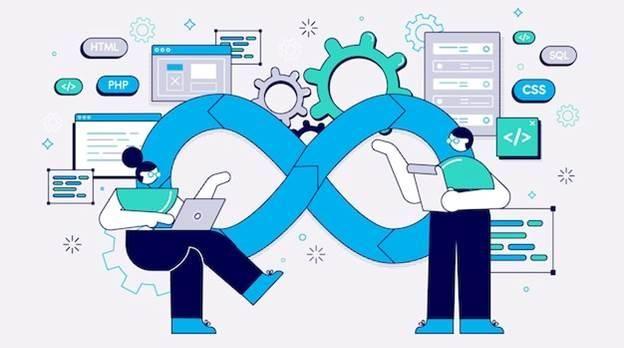
IntroductionSecurity is no longer an afterthought in software development—it’s a necessity. Traditional development models often treat security as a final checkpoint, but modern security practices demand a more proactive approach. This is where DevSecOps comes into play. DevSecOps integrates security into every software development lifecycle (SDLC) phase, ensuring that security vulnerabilities are addressed early and efficiently.Source: AtlassianTo implement DevSecOps effectively, teams need specialized DevSecOps tools at each phase—planning, building, testing, deploying and observing. These security tools help organizations build and maintain secure software while keeping the development process agile and efficient. By using the right DevSecOps tools, teams can automate security testing, enforce security policies, and mitigate vulnerabilities before they escalate into significant security threats.What is DevSecOps?DevSecOps stands for Development, Security, and Operations. It extends the DevOps model by embedding security at every stage of the software development lifecycle. The goal is to integrate automated security checks throughout the development pipeline, reducing security vulnerabilities and enhancing compliance without slowing down the CI/CD pipeline. This approach ensures that security is a continuous and shared responsibility across security teams rather than an isolated function handled at the end of the software development process.DevSecOps introduces continuous security testing, compliance monitoring, and risk management, ensuring that security is baked into the code rather than bolted on later. The right security tools help automate these processes, enabling developers to write secure code. As security threats become more sophisticated, adopting a DevSecOps culture is essential to delivering safe and resilient applications.Plan: Security-First Approach to DevelopmentImportance of Security PlanningBefore writing a single line of source code, security should be a core consideration. The planning phase in DevSecOps involves identifying potential security vulnerabilities, enforcing security policies, and ensuring compliance with industry security standards. A well-structured security plan helps security teams anticipate risks and incorporate security measures early in the development lifecycle.Threat Modeling with ThreatModelerThreatModeler is an essential security tool for this phase. It helps development teams identify security vulnerabilities in the early planning phase. It automates threat modeling, integrating with CI/CD pipelines to prevent security gaps before they occur. By leveraging predefined security frameworks, ThreatModeler enables security teams to assess risks and prioritize security controls effectively. Real-time security assessments and mitigation recommendations ensure that security is seamlessly incorporated into the development workflow, reducing the likelihood of security flaws slipping through undetected.Build: Secure Code DevelopmentPreventing Security Flaws with Static Code AnalysisDevelopers need tools that enforce secure coding practices to prevent security issues like SQL injection, XSS, and buffer overflows. Static Application Security Testing (SAST) tools are crucial in scanning source code for security vulnerabilities before it goes into production. By identifying security weaknesses early, developers can fix issues before they become costly security breaches.Secure Open-Source Dependencies with SnykSnyk is a powerful security tool that focuses on open-source software dependency security. It scans code, container images, and dependencies for security vulnerabilities, providing real-time alerts and automated remediation to maintain secure software development. Integrating seamlessly with platforms like GitHub, GitLab, and Bitbucket, Snyk ensures that security is embedded into the software development process. It detects security flaws in open-source libraries and dependencies, offering automated remediation suggestions to help developers write more secure code.Code Quality and Security with SonarQubeAnother critical security tool in the build phase is SonarQube. SonarQube performs deep static code analysis, helping developers write clean and secure code. It supports multiple programming languages and integrates with CI/CD pipelines for automated scanning. By identifying security vulnerabilities, code quality issues, and technical debt, SonarQube enables teams to maintain high software security while adhering to security best practices.Test: Automated Security ValidationWhy Automated Security Testing is EssentialSecurity testing tools validate the security posture of an application before deployment. These security testing tools conduct dynamic application security testing (DAST), penetration testing, and vulnerability detection to uncover real-world security threats. Automated security validation ensures that applications are resilient against threats and comply with security standards.Dynamic Application Security Testing (DAST) with OWASP ZAPOWASP ZAP (Zed Attack Proxy) is a widely used DAST tool. It simulates real-world attacks on web applications to identify security vulnerabilities such as SQL injection and cross-site scripting (XSS). By integrating with CI/CD pipelines, OWASP ZAP provides continuous security testing, helping developers remediate vulnerabilities before production deployment. Its actionable insights and extensive reporting capabilities make it a valuable tool for DevSecOps security teams.Comprehensive Security Testing with CheckmarxCheckmarx is another comprehensive application security testing (AST) tool that combines Static Application Security Testing (SAST), Software Composition Analysis (SCA), and Infrastructure as Code (IaC) security. It identifies security flaws in code and third-party libraries, providing contextual recommendations for fixing security issues. With integrations for Jenkins, GitHub, and Azure DevOps, Checkmarx ensures that security testing is integral to the software development life cycle.Deploy: Secure Infrastructure as Code (IaC)Security in Deployment AutomationDeployment automation should include security checks to prevent threats and compliance violations in cloud infrastructure and container security tools. Secure deployment ensures that applications remain protected against evolving security threats and compliance risks.Secrets Management with HashiCorp VaultHashiCorp Vault is a leading tool for managing secrets and encrypting secrets. It securely stores and manages API keys, passwords, and encryption keys, reducing the risk of security breaches. Vault’s dynamic secrets generation minimizes the attack surface by ensuring that credentials are temporarily rotated frequently. Its access control policies enforce the principle of least privilege, ensuring that only authorized users and applications have access to sensitive information. Supporting cloud-native applications, Kubernetes, and on-premise environments, Vault is a critical component of secure deployments in DevSecOps.Observe: Continuous Monitoring & Incident ResponseWhy Continuous Security Monitoring is CrucialSecurity doesn’t end after deployment. Continuous security testing tools detect incidents in real time and help security teams respond swiftly. Observability in DevSecOps ensures that applications remain secure and resilient even after they are deployed in production environments.Threat Detection with SplunkSplunk is a powerful Security Information and Event Management (SIEM) tool that provides real-time security monitoring, threat detection, and analytics. It uses AI-driven security analytics to detect anomalies and potential security breaches. Customizable dashboards offer visibility into security events, enabling security teams to respond quickly to security threats. Splunk’s integration with cloud security platforms and tools enhances its ability to provide comprehensive security monitoring, making it a key asset for organizations adopting DevSecOps.ConclusionAdopting a DevSecOps mindset means prioritizing security at every software development life cycle phase. The DevSecOps tools mentioned above provide automation, visibility, and real-time protection, ensuring that software security remains resilient against security threats. By integrating security into the CI/CD pipeline, organizations can deliver secure software without compromising speed or agility.Quick Recap of Top DevSecOps Tools ThreatModeler facilitates threat modeling during planning, ensuring that security vulnerabilities are identified early. It automates risk assessments and integrates with CI/CD pipelines to provide real-time security insights. ThreatModeler helps teams proactively implement security controls before development begins by mapping potential threats.Snyk secures open-source software dependencies by scanning for known vulnerabilities and providing automated remediation suggestions. It integrates seamlessly with repositories and CI/CD workflows to detect real-time security issues. Meanwhile, SonarQube enhances code quality by performing static code analysis, identifying security flaws, and enforcing best coding practices.OWASP ZAP provides dynamic application security testing (DAST) by simulating real-world attacks to uncover security vulnerabilities. It actively scans web applications for issues like SQL injection and cross-site scripting (XSS). On the other hand, Checkmarx offers a comprehensive security testing suite, combining static and dynamic analysis to detect security flaws across the software development lifecycle.HashiCorp Vault ensures secure secrets management during deployment by encrypting and managing sensitive credentials. It helps reduce the risk of security breaches by enforcing strict access controls and automated secrets rotation.Meanwhile, Splunk provides continuous security monitoring and threat detection, using AI-driven analytics to identify and respond to security threats in real-time.By integrating these DevSecOps tools, development teams can balance speed, security, and compliance, ensuring software security is both fast and robust in production. Security is a shared responsibility—ensure it’s part of your development DNA!

Aziro Marketing

blogImage

7 Best Practices for Implementing DevSecOps Tool

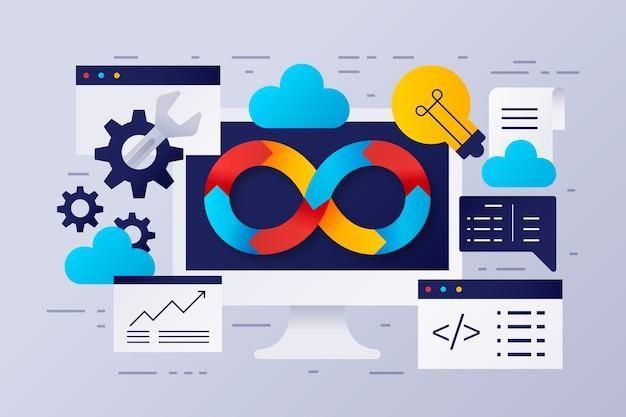
1. Understanding and Adopting DevSecOpsWhat is DevSecOps?DevSecOps integrates security into every phase of the entire software development lifecycle (SDLC), ensuring security is a shared responsibility rather than an afterthought. Traditionally, security was handled separately, often slowing down the development process. DevSecOps eliminates this bottleneck by embedding security into the continuous integration and continuous delivery (CI/CD) pipeline.Benefits of DevSecOpsDevSecOps offers numerous benefits to organizations, making it a crucial practice in modern software development:Improved Security: By integrating security into the development pipeline, DevSecOps helps identify and address security vulnerabilities early on, reducing the risk of security breaches and attacks. This proactive approach ensures that potential security issues are mitigated before they can cause significant damage. Increased Efficiency: Automating security testing and integrating security into the CI/CD pipeline saves time and resources. This allows developers to focus on writing code and delivering software faster, without compromising security.Enhanced Collaboration: DevSecOps promotes collaboration between development, security, and operations teams. By breaking down silos and improving communication, teams can work together more effectively to ensure that security is a shared responsibility.Better Compliance: Integrating security into the development pipeline helps organizations meet compliance requirements and regulations. This reduces non-compliance risk and associated penalties, ensuring that applications adhere to industry standards.Faster Time-to-Market: DevSecOps enables organizations to deliver software faster and more securely. Companies can gain a competitive edge in the market by streamlining the development process and integrating security measures.Why is DevSecOps Essential?Implementing DevSecOps tools effectively requires strategic planning, collaboration, and the right mindset. Security is no longer a final step but an ongoing process that supports agility and innovation while reducing security risks. By embedding security practices into the development lifecycle, organizations can mitigate potential security vulnerabilities before they escalate.2. Selecting and Integrating the Right ToolsEvaluating DevSecOps ToolsChoosing the right security tools is crucial for a successful DevSecOps implementation. Tools should seamlessly integrate into existing workflows, offer automation, and not disrupt the CI/CD pipeline.Open-Source vs. Commercial ToolsOrganizations must evaluate security testing tools based on scalability, compatibility, and ease of use. Open-source security tools, commercial solutions, and cloud-native security platforms should all be considered to ensure comprehensive coverage. Popular configuration management tools also play a role in maintaining security configurations across the infrastructure.Security Testing ToolsSecurity testing tools are essential to the DevSecOps pipeline, helping identify and address security vulnerabilities early on. Here are some popular security testing tools:Static Application Security Testing (SAST) Tools: SAST tools analyze source, byte, or binary codes to identify potential security vulnerabilities. Examples include SonarQube, Checkmarx, and Veracode. These tools help developers catch security issues during the coding phase, ensuring that insecure code is not propagated.Dynamic Application Security Testing (DAST) Tools: DAST tools simulate attacks on running applications to identify security vulnerabilities. Examples include OWASP ZAP, Burp Suite, and AppScan. By testing applications in their running state, DAST tools can uncover vulnerabilities that are not visible in static code analysis.Penetration Testing Tools: Penetration testing tools simulate real-world application attacks to identify security vulnerabilities. Examples include Metasploit, Nmap, and Nessus. These tools help security teams understand how an attacker might exploit vulnerabilities and provide insights into strengthening defenses.Vulnerability Scanning Tools: Vulnerability scanning tools identify potential security vulnerabilities in applications and infrastructure. Examples include Nessus, OpenVAS, and Qualys. These tools provide a comprehensive view of the security posture, helping organizations prioritize and remediate vulnerabilities effectively.3. Embedding Security into CI/CD PipelinesAutomating Security ScansAutomation is at the core of DevSecOps. Security measures should be integrated into the CI/CD pipeline to identify vulnerabilities in real time. Automated security checks, static and dynamic analysis, and infrastructure as code (IaC) security controls help ensure that insecure code never reaches production environments.Implementing Shift-Left SecurityShift-left security moves security assessments earlier in the software development lifecycle, allowing developers to detect and resolve issues during coding rather than after deployment. This proactive approach prevents security flaws from propagating through later stages of the development cycle.Threat Modeling and Security TestingThreat modeling and security testing are critical components of the DevSecOps pipeline, helping identify and address potential security threats and vulnerabilities.Threat Modeling: Threat modeling involves identifying potential security threats and vulnerabilities, and developing strategies to mitigate them. Tools like ThreatModeler, IriusRisk, and Microsoft Threat Modeling Tool assist in visualizing and analyzing potential attack vectors, enabling teams to design more secure systems.Security Testing: Security testing involves simulating application attacks to identify security vulnerabilities. This includes using SAST, DAST, and penetration testing tools to uncover code and application behavior weaknesses. Regular security testing ensures that vulnerabilities are identified and addressed promptly.Vulnerability Management: Management involves identifying, prioritizing, and remediating security vulnerabilities. Tools like vulnerability scanning tools and patch management tools help organizations manage the lifecycle of vulnerabilities, from detection to resolution. Effective vulnerability management reduces the risk of security breaches and ensures that security controls are up-to-date.By integrating threat modeling, security testing, and vulnerability management into the DevSecOps pipeline, organizations can identify and address potential security threats and vulnerabilities early on, reducing the risk of security breaches and attacks.4. Enhancing Threat Detection and MonitoringUtilizing Threat IntelligenceIntegrating real-time threat detection and intelligence into DevSecOps is critical in today’s dynamic threat landscape. Real-time threat feeds and vulnerability databases enable continuous monitoring of emerging risks, such as new attack vectors, malware, and exploits. Automated tools can correlate threat data with system logs, identifying vulnerabilities in applications and infrastructure early in the development lifecycle. This proactive approach reduces exposure to risks and ensures timely remediation, enhancing overall security posture.Embedding threat intelligence into DevSecOps workflows fosters continuous improvement. Incident reports and automated threat correlation tools help prioritize remediation efforts and refine security strategies. By integrating these insights into CI/CD pipelines, organizations can detect and mitigate breaches faster, minimizing downtime. This technical integration aligns security with development, ensuring resilient systems and maintaining operational efficiency while safeguarding against evolving threats.Continuous Monitoring and LoggingSecurity in DevSecOps is not a one-time event but a continuous process. Continuous security testing, real-time monitoring, and logging are crucial in detecting anomalies and potential security breaches. Implementing SIEM solutions and anomaly detection systems ensures quick incident response and remediation.5. Strengthening Access Control and ComplianceManaging Access ControlAccess control is a fundamental aspect of DevSecOps. Implementing the principle of least privilege ensures that users and applications have only the necessary permissions required to perform their tasks. Role-based access control (RBAC) and IAM solutions help prevent unauthorized access and security breaches.Enforcing Compliance and GovernanceDevSecOps implementation should align with industry compliance standards such as GDPR, HIPAA, and ISO 27001. Automated compliance checks and policy enforcement frameworks ensure applications adhere to regulatory security policies, enhancing the organization’s overall security posture.6. Securing Cloud and Containerized ApplicationsAddressing Cloud Security ChallengesWith the rise of cloud computing, securing cloud-native applications is essential. DevSecOps tools must provide cloud security configurations, automated compliance checks, and identity protection mechanisms. Cloud providers offer various security tools that can be integrated into a DevSecOps workflow.Container Security Best PracticesSecuring containerized applications requires container security tools such as container security scanning, runtime protection, and Kubernetes security controls.Image scanning tools like Trivy and policy enforcement frameworks like Open Policy Agent (OPA) help ensure security throughout the development lifecycle. Security measures should also be incorporated to protect cloud infrastructure and web applications.7. Cultivating a Security-First CultureTraining and Upskilling TeamsSecurity awareness and training programs equip teams with the knowledge to implement secure development practices effectively. Organizations should conduct regular security workshops, hands-on exercises, and gamified training sessions to keep development and operations teams informed about the latest security threats and security processes.Encouraging Collaboration Between TeamsSuccessful DevSecOps implementation requires seamless collaboration between development, security, and operations teams. Breaking down silos and fostering open communication ensures security is embedded into every phase of the development workflow. This approach enhances security controls and strengthens the organization’s overall security posture.Measuring DevSecOps SuccessKey performance indicators (KPIs) help organizations assess the effectiveness of their DevSecOps initiatives. Metrics such as vulnerability remediation time, security incident response time, and compliance adherence rates provide insights into security performance. By embedding security into the CI/CD pipeline, security teams can manage code quality and remediate vulnerabilities efficiently.Conclusion: Making Security an Ongoing JourneyDevSecOps is not a one-time initiative but a continuous journey. Organizations can create a secure development environment by implementing these best practices without sacrificing agility. The right combination of security tools, automation, collaboration, and proactive security measures ensures that security becomes an enabler rather than a barrier to innovation. Investing in DevSecOps today ensures a resilient, future-proof software development ecosystem that effectively mitigates security issues and strengthens security standards.

Aziro Marketing
blogImage

The Ultimate SaaS Security Checklist for Your Organization

In today’s digital landscape, the adoption of Software as a Service (SaaS) has revolutionized how organizations operate, offering flexibility, scalability, and cost-efficiency. However, with these benefits come significant security challenges that can jeopardize sensitive data and disrupt business operations. Ensuring robust SaaS security is paramount for protecting your organization from potential threats. In this blog, we’ve created a checklist that will help enterprises to safeguard their SaaS environments and enhance organization’s security posture and mitigate risks effectively. What is SaaS Security? SaaS security encompasses the strategies, practices, and technologies used to protect data, applications, and infrastructure associated with Software as a Service. It involves securing user access, safeguarding data in transit and at rest, ensuring application integrity, and maintaining compliance with relevant regulations. Common Threats: SaaS applications face several common security threats, including: Data Breaches: Unauthorized access to sensitive data can lead to financial loss, legal issues, and reputational damage. Account Hijacking: Attackers can gain control of user accounts through phishing, credential stuffing, or other techniques, compromising the security of the SaaS environment. Insider Threats: Malicious or negligent actions by employees or other insiders can lead to data leaks or system compromises. Insecure APIs: Poorly designed or unprotected APIs can expose vulnerabilities that attackers can exploit to gain unauthorized access. Lack of Compliance: Failing to adhere to industry standards and regulations can result in penalties and increased risk of breaches. Ultimate for your SaaS Security Here is the ultimate checklist to help your organization fortify its SaaS security and protect valuable data. 1. Access Management Effective access management is crucial for SaaS security, starting with robust user authentication. Implementing strong passwords and multi-factor authentication (MFA) adds layers of protection against unauthorized access. Role-Based Access Control (RBAC) assigns permissions based on user roles, ensuring individuals only access what they need for their job, reducing the risk of data breaches. Single Sign-On (SSO) simplifies the login process by allowing users to access multiple applications with one set of credentials, enhancing security and easing the management of user access. 2. Data Protection Effective data protection is essential for safeguarding sensitive information in SaaS environments. Encryption is crucial, both at rest and in transit, to prevent unauthorized access to data. Data backup involves regular backups and comprehensive disaster recovery plans to ensure data can be restored in case of loss or corruption. Data privacy compliance with regulations such as GDPR, CCPA, HIPAA, and PCI DSS is vital for maintaining customer trust and avoiding legal repercussions. Implementing these measures helps ensure the integrity and security of your organization’s data. 3. Network Security Ensuring network security is fundamental to protecting your SaaS environment. Secure network connections, such as using VPNs and encrypted channels, help safeguard data transmission against eavesdropping and interception. Implementing firewalls and Intrusion Detection Systems (IDS) provides an additional layer of defense by monitoring and controlling incoming and outgoing network traffic, detecting and responding to potential threats in real-time. These measures collectively enhance the security of your network, preventing unauthorized access and maintaining the integrity of your SaaS applications. 4. Application Security Effective application security involves rigorous vulnerability management through regular security assessments and timely patching to address weaknesses before they are exploited. Additionally, adopting secure development practices by incorporating security into the development lifecycle (DevSecOps) ensures that security is a fundamental part of the process. This includes secure coding practices, regular code reviews, and automated testing, resulting in robust and secure SaaS applications. 5. Vendor Management Effective vendor management is critical for maintaining SaaS security. Vendor security assessments involve thoroughly evaluating the security posture of SaaS providers to ensure they meet your organization’s security standards. Additionally, carefully crafted Service Level Agreements (SLAs) should include specific security requirements and expectations, ensuring that your vendors are contractually obligated to uphold robust security practices. These steps help mitigate risks associated with third-party services and maintain the overall security of your SaaS environment. 6. User Training and Awareness Effective user training and awareness are essential components of SaaS security. Regular security training sessions educate employees on best practices, ensuring they understand how to protect sensitive data and follow secure protocols. Additionally, phishing awareness training helps employees recognize and report phishing attempts, reducing the risk of falling victim to social engineering attacks. By fostering a culture of security awareness, organizations can significantly enhance their overall security posture. 7. Monitoring and Incident Response Effective monitoring and incident response are critical for maintaining SaaS security. Continuous monitoring involves using advanced tools and techniques to constantly oversee the security landscape, detect anomalies, and respond to threats in real time. An incident response plan outlines the specific steps to take in case of a security incident, ensuring a swift and organized response to minimize damage and restore normal operations quickly. Together, these practices help maintain a secure and resilient SaaS environment. Summary In this ultimate SaaS security checklist, we covered essential aspects of securing your SaaS environment, including access management, data protection, network security, application security, vendor management, user training, and monitoring and incident response. Each of these components plays a vital role in protecting your organization’s data and ensuring a robust security posture. Continuous improvement in SaaS security is crucial; as threats evolve, so must your security practices. Regularly revisiting and updating your security measures will help you stay ahead of potential vulnerabilities. Implement this checklist to fortify your SaaS security and protect your organization from emerging threats. Stay vigilant, proactive, and committed to maintaining a secure and resilient SaaS environment. Connect with us if you’ve any questions.

Aziro Marketing

blogImage

6 Best SaaS Security Practices to Master Cloud Security

In today’s digital age, cloud security is paramount as businesses increasingly rely on cloud services for their operations. Software as a Service (SaaS) plays a critical role in this landscape, offering flexible and scalable solutions to meet diverse business needs. However, with great power comes great responsibility, and securing these SaaS applications is essential to protect sensitive data and ensure business continuity. In this blog, we’ll provide actionable SaaS security practices to help you master cloud security and safeguard your organization’s digital assets. 6 Best SaaS Security Practices Here are seven best practices enterprise can implement to secure their cloud infrastructure landscape. 1. Implement Strong Access Controls Access controls are critical for protecting your cloud environment by ensuring that only authorized users can access specific resources. This reduces the risk of unauthorized access, data breaches, and potential misuse of sensitive information. Best practices for setting up access controls Use of multi-factor authentication (MFA) Role-based access control (RBAC) Regular review and update of access permissions 2. Ensure Data Encryption Data encryption is essential in SaaS applications to protect sensitive information from unauthorized access and breaches, both in transit and at rest. It ensures that data is unreadable to anyone without the proper decryption keys. Best practices for data encryption Encrypt data at rest and in transit Use strong encryption algorithms (e.g., AES-256) Implement end-to-end encryption Regularly update and manage encryption keys Ensure compliance with relevant encryption standards and regulations 3. Regular Security Audits and Assessments Regular security audits are crucial for maintaining a robust security posture. These audits help identify vulnerabilities, ensure compliance with security policies, and proactively address potential security threats. By consistently evaluating your security measures, you can prevent security lapses and maintain the integrity of your SaaS applications. Best practices for security audits and assessments Conduct periodic vulnerability scans Perform penetration testing Review access logs and security policies regularly Engage third-party auditors for unbiased assessments 4. Secure APIs APIs are the backbone of SaaS applications, enabling integration and functionality. However, if not properly secured, APIs can be a significant security risk, leading to data breaches and unauthorized access. Ensuring the security of APIs is vital for protecting your application and user data. Best practices for securing APIs Implement rate limiting Use API gateways Enforce strong authentication and authorization Monitor and log API activity Regularly update and patch API components 5. Implement a Strong Incident Response Plan Having a robust incident response plan is essential for quickly and effectively addressing security breaches. This plan outlines the steps to take in the event of an incident, helping to minimize damage, recover operations swiftly, and improve future responses. A well-prepared incident response plan is a critical component of any comprehensive security strategy. Best practices to implement a strong incident response plan Develop and document an incident response policy Establish a dedicated incident response team Conduct regular training and simulations Define clear communication protocols Continuously review and update the response plan 6. Stay Updated with Security Patches and Updates Regular updates and patches are vital for protecting your SaaS applications from known vulnerabilities. Keeping your software up-to-date ensures that you are protected against the latest threats and enhances the overall security of your system. Neglecting updates can leave your applications susceptible to attacks and compromise your data integrity. Best practices for staying updated with security patches and updates Enable automatic updates where possible Regularly check for and apply patches Maintain an inventory of software and versions Test patches in a staging environment before deployment Monitor vendor security advisories and alerts Conclusion For comprehensive cloud security solutions, connect with Aziro (formerly MSys Technologies). Our expert team will help you implement best practices such as strong access controls, data encryption, regular security audits, and secure API management. We ensure your SaaS applications are protected and your digital assets remain secure. Trust Aziro (formerly MSys Technologies) to provide the expertise and support you need to maintain a robust and secure cloud environment.

Aziro Marketing

blogImage

Top 5 Cloud Security Tools for 2024

In 2024, the importance of cloud security has never been more critical. As cyber threats continue to evolve, safeguarding your cloud infrastructure is paramount to protecting sensitive data and maintaining business continuity. Choosing the right security tools is crucial, as they provide the necessary defense mechanisms to combat these sophisticated threats. In this blog, we’ll discuss the top 5 cloud security tools enterprise in 2024. The blog will purchase decisions easier by showcasing the best options available to enhance your cloud security posture. Let’s get started! Top 5 Cloud Security Tools for 2024 Here are top 5 cloud security tools enterprises can implement to make their cloud infrastructure safer and more secure. 1. Prisma Cloud by Palo Alto Networks Prisma Cloud by Palo Alto Networks is a comprehensive cloud security solution designed to protect multi-cloud and hybrid environments. It offers an integrated approach to cloud security, combining visibility, threat detection, and compliance monitoring into a single platform. With its robust capabilities, Prisma Cloud helps organizations ensure their cloud infrastructure is secure and compliant, mitigating risks associated with cloud deployments. Key Features Continuous cloud security posture management Real-time threat detection and response Integrated compliance monitoring and reporting Automated remediation of security issues Detailed asset inventory and visibility Advanced security analytics and intelligence 2. AWS Security Hub AWS Security Hub is a centralized security management service that provides a comprehensive view of your AWS security posture. It aggregates and prioritizes security findings from multiple AWS services and partner solutions, enabling you to identify and address potential threats quickly. With AWS Security Hub, organizations can automate security checks and gain actionable insights to maintain a secure cloud environment. Key Features Centralized security findings aggregation Automated security compliance checks Integration with various AWS services and third-party tools Continuous monitoring and threat detection Customizable security standards and controls Detailed dashboards and reporting for security visibility 3. Microsoft Azure Security Center Microsoft Azure Security Center is a unified security management system that provides advanced threat protection across hybrid cloud workloads. It offers integrated security monitoring, policy management, and threat detection to help organizations secure their Azure environments and on-premises infrastructure. Azure Security Center enhances visibility into security posture and automates security tasks, enabling proactive protection against threats. Key Features Unified security management and monitoring Advanced threat protection with real-time detection Automated security policy enforcement Integrated vulnerability assessment Continuous security posture assessment Comprehensive compliance monitoring and reporting 4. Google Cloud Security Command Center (SCC) Google Cloud Security Command Center (SCC) is a comprehensive security and risk management platform for Google Cloud users. It provides centralized visibility into cloud assets, vulnerabilities, and threats. SCC helps organizations identify and mitigate risks by offering real-time insights and automated response capabilities, ensuring a robust security posture for Google Cloud environments. Key Features Centralized asset inventory and management Real-time threat detection and alerting Integrated vulnerability scanning and assessment Automated security incident response Compliance monitoring and reporting Detailed security insights and analytics 5. IBM QRadar on Cloud Connect with Aziro (formerly MSys Technologies) if you need any assistance with these tools to secure your cloud environment effectively.

Aziro Marketing

blogImage

Everything You Need to Know About Managed Cloud Security

In today’s digital landscape, cloud security isn’t just an option—it’s a necessity. As businesses increasingly turn to the cloud to boost productivity and cut costs, the looming threat of security breaches cannot be ignored. Without proper security measures, the very use of the cloud becomes questionable, and that’s where Managed Cloud Security Services come in. In this blog, we will explore the imperative need for managed cloud security services, top security concerns, and key features that help businesses secure their cloud landscape. Let’s get started! Understanding Cloud Security and Its Challenges Enterprises operating in the cloud are well aware of the myriad threats and challenges their data, applications, and networks face regularly. These challenges include: Data Breaches: Unauthorized access to sensitive data poses a significant risk. Data Loss: Accidental deletion or malicious attacks can lead to valuable data loss. Account Hijacking: Compromised user accounts can result in severe consequences. Insecure APIs: Vulnerable APIs can expose sensitive data to potential breaches. Denial of Service: Malicious attempts to overload resources can disrupt cloud services. Malicious Insiders: Internal threats from employees with malicious intent are also a concern. Cloud advisory services help organizations to safeguard against such threats. What are Cloud Security Managed Services? Cloud Security Managed Services refers to outsourced security solutions that third-party vendors provide to help businesses secure their cloud environments. These services are tailored to tackle the unique security challenges and risks associated with cloud computing. To protect cloud resources, data, and applications, cloud security managed services offer comprehensive security solutions. These include: Developing a strategic security plan, assessing the organization’s cloud security posture, and identifying risks and weaknesses. Implementing and managing strong authentication and access control methods through Identity and Acces Management(IAM) ensures that only authorized users can access cloud resources. Utilizing encryption techniques to safeguard sensitive data stored in the cloud, both in transit and at rest. Deploying advanced security monitoring tools and technologies to detect and mitigate potential threats such as malware, intrusions, and unauthorized access attempts. Developing and implementing incident response strategies to swiftly address and mitigate security issues in the cloud environment. Ensuring the company’s cloud infrastructure complies with relevant security and compliance requirements, such as GDPR, HIPAA, or PCI DSS. Establishing security policies, practices, and controls to manage risks and maintain regulatory compliance in the cloud effectively. Providing ongoing security for the cloud environment through continuous monitoring and support to promptly identify and respond to security incidents in real time. Cloud Security Managed Services – How Does It Make a Difference? A managed cloud security provider delivers a robust security framework by orchestrating a comprehensive suite of cloud security tools. Managed cloud security encompasses several key features: Comprehensive Protection Managed cloud security ensures end-to-end protection for every facet of an organization’s cloud environment, including infrastructure, applications, and data. Given the intricate nature of modern cyber threats, this approach guarantees that every potential vulnerability is identified and addressed. 24/7 Monitoring and Incident Response Managed cloud security offers continuous surveillance of systems, providing real-time detection of threats or unusual activities. Coupled with constant monitoring is swift incident response, minimizing potential damage to systems, data, and business operations. Compliance and Regulatory Management Many industries impose strict regulatory requirements, and managed cloud security aids companies in achieving compliance by ensuring that data protection measures meet regulatory standards. Enterprises alleviate the burden on their IT staff by entrusting compliance management to their managed cloud security provider. Threat Intelligence and Risk Assessment Managed cloud security empowers organizations to leverage the latest intelligence on cyber threats. With up-to-date threat intelligence and regular risk assessments, organizations using managed cloud security proactively mitigate risks by bolstering their security posture before vulnerabilities are exploited. Introducing Aziro (formerly MSys Technologies)’ Cloud Security Managed Services Aziro (formerly MSys Technologies) is an industry-leading provider of cloud-managed services, with our cloud security-managed services recognized as among the best in the field. With over 100 cloud projects in our portfolio and supported by a team of over 450 cloud consultants, we possess extensive expertise in delivering comprehensive cloud-managed services tailored to various businesses, particularly those in highly regulated industries. Aziro (formerly MSys Technologies) has been delivering Cloud Managed Services to renowned global brands, including Fortune 100 companies, for over a decade as a cloud-native company. Connect with us here to learn more.

Aziro Marketing

blogImage

Data Security and Privacy in the Age of Automation and AI

Hey there, fellow data enthusiasts! In today’s automated world, let’s dive deep into the murky waters of data security and privacy. As we ride the wave of automation and AI, staying afloat amidst the challenges of managing and protecting our precious data is crucial. So, grab your snorkel and explore the trends shaping data management services! First, let’s address the elephant in the room – data breaches. Yes, the nightmares of every IT professional. With hackers lurking in the shadows like mischievous gremlins, it’s no wonder we’re all a little paranoid about our data’s safety. But fear not! With the rise of automation and AI, we’ve got some nifty tools to fend off those pesky cyber attackers. Predictive Analytics In the dynamic landscape of data security, one trend stands out as a beacon of innovation: predictive analytics. Envision your data security infrastructure as a highly sophisticated crystal ball, adept at preemptively identifying and neutralizing potential threats long before they materialize. It’s akin to possessing a personal data psychic, minus the mystique of crystal balls and eerie background music. Through predictive analytics, we leverage advanced algorithms to meticulously analyze intricate patterns and detect subtle anomalies in real-time data streams. This proactive approach enables us to maintain a formidable defense posture, staying one step ahead of cyber adversaries and safeguarding critical assets with unparalleled precision and efficacy. Data Privacy Now, let’s delve into the intricate realm of data privacy, akin to safeguarding precious secrets within a fortress amidst a bustling neighborhood. With stringent regulations like GDPR and CCPA looming over businesses like a watchful sentinel, the imperative to shield users’ privacy has never been more paramount. Enter encryption, the stalwart guardian of data privacy, akin to encasing your data within an impregnable digital fortress, impeding prying eyes from breaching its sanctity. With AI-driven advancements, the encryption process undergoes a transformative evolution, enabling automated encryption protocols to operate with unprecedented swiftness and efficiency. Rest assured, as your data traverses the digital landscape, it remains ensconced behind multiple layers of virtual locks and keys, impervious to the probing gaze of potential intruders. Blockchain Blockchain technology, a disruptive data security and privacy force, has garnered significant momentum in recent years. This innovative technology isn’t just about cryptocurrencies; it holds the potential to revolutionize data authentication and integrity. Picture blockchain as a digital ledger, where each data transaction is cryptographically sealed, creating an immutable record akin to a digital fingerprint – but with a distinct aura of sophistication. With blockchain, we transcend traditional data security paradigms, fostering an environment where transparency and trust reign supreme. By leveraging its decentralized architecture, we establish a trust network among participants, ensuring that data transactions remain tamper-proof and verifiable. It’s akin to entrusting your data to a diligent guardian, vigilant in its duty to safeguard against any nefarious activity. Furthermore, blockchain isn’t just about fortifying the perimeter; it’s about instilling confidence in the very fabric of our digital interactions. We forge a path toward accountability and authenticity through blockchain’s immutable records, mitigating the risk of data manipulation or unauthorized access. The Future of Data Security and Privacy The endless possibilities with automation and AI becoming increasingly integrated into our daily lives. As these technologies evolve, they usher in a wave of transformative advancements poised to revolutionize the landscape of data security and privacy. Consider the following technological innovations and their potential impact. Intelligent Threat Detection Systems: Utilizing advanced machine learning algorithms, these systems analyze vast volumes of data in real time to identify and preemptively mitigate potential security threats. Self-healing Security Protocols: Leveraging automation, self-healing security protocols autonomously detect and remediate security vulnerabilities and breaches, ensuring continuous protection of data assets. Blockchain-based Data Integrity: By leveraging blockchain technology, organizations can establish immutable ledgers to store and authenticate data transactions securely, safeguarding against tampering and unauthorized access. Quantum Encryption: Quantum encryption techniques leverage the principles of quantum mechanics to create cryptographic keys that are theoretically unbreakable, providing an unprecedented level of security for sensitive data. Zero Trust Architecture: Zero Trust Architecture (ZTA) redefines traditional security paradigms by adopting a “never trust, always verify” approach, ensuring granular access controls and continuous monitoring to prevent unauthorized access. But amidst all the technological advancements, let’s not forget the human element. After all, we’re behind the keyboards, making the decisions that shape the digital landscape. So, let’s raise a virtual toast to data security and privacy – may we continue to innovate, adapt, and protect our data for years to come. Conclusion Navigating the intricacies of data security and privacy amidst the complexities of automation and AI resembles traversing through a labyrinthine digital landscape. However, we can navigate the challenges with precision and confidence, armed with advanced tools, robust strategies, and a steadfast commitment to technical excellence. Therefore, let us persist in our endeavors, leveraging encryption and other formidable security measures to fortify our data defenses and emerge triumphant in the face of adversities.

Aziro Marketing

blogImage

How to protect your data with Data Replication

Data Protection is one of the most integral parts of the Enterprise Storage Industry. Replication plays an important role in Business Continuity.In this article we will discuss how replication technology helps in achieving data protection and disaster recovery.SolutionReplication is defined as replication of data from source to destination. Replication helps us to achieve business continuity.There are two important terms which are associated with Disaster RecoveryRPO ( Recovery Point Objective): RPO refers to the point in time to which services are restored and recovered. So if RPO is zero it corresponds to no data loss.RTO ( Recovery Time Objective): RTO refers to how long it takes to get an application or service up in running state. If RTO is zero there is no downtime.Whenever Service Level agreements are signed between storage vendors and customers it mentions RPO and RTO for the storage appliance.There are two types of Replications, Synchronous Replication and Asynchronous Replication. In Synchronous Replication, production site and disaster recovery site (target) are always in sync. RPO for Synchronous Replication is zero. Synchronous Replication works best where both source and target are in the same data center. In an Asynchronous Replication Solution, RPO is 15 minutes to a few hours. There is no specific distance limitation. Asynchronous Replication solution is less expensive than a synchronous solution.There are three topologies associated with Replication1. Three-Site Cascade: Arrays at source and target do not communicate directly. If there is a large scale disaster you lose both source and bunker site.2. Three Site Multi-target: Here source arrays simultaneously replicate to two target arrays. Source array has visibility to both the arrays and replicate to both the target arrays without relying on bunker site. In case the source site is lost both surviving targets cannot communicate with each other.3. Three-Site Triangle: There is an existence of additional replication link between the two target arrays in sites B and site C. This additional link helps to replicate between surviving targets in case source target is lost. Three-Site triangle overcomes disadvantages of Three Site Multitarget.There are several advantages of Disaster Recovery. In the case of disasters which could be either man-made or natural disasters, data would be still accessible with the help of Disaster Recovery. .So there would be no data loss and hence no financial losses to organizations. Your data is replicated to some other geographical location and it is still accessible to you.Quality Assurance for Storage Appliance supporting replication technology is an important aspect. Various use cases which could be covered while doing QA for replication are integrity for source and target array. Ability of replication policy and schedules to cope up with failures could be tested . Application awareness in replication could be covered for vendors. RPO and RTO could be calculated which could be shared with customers as disaster recovery report.At Aziro (formerly MSys Technologies) we have expertise for Disaster Recovery Solutions. Aziro (formerly MSys Technologies) could add value to your business by helping you to build disaster recovery solutions and performing quality assurance for your Disaster Recovery Solution.

Aziro Marketing

blogImage

3 Levels of Successful Triple Layer Data Protection

The growth of high speed computer networks and internet, in particular, has hiked the ease of data communication. But, on the other hand, this growth is also responsible for the snooping of data. The ease, by which digital information can be duplicated and distributed, has led to the need for effective protection tools. Various encryption techniques like cryptography, digital watermarking, steganography etc. have already been introduced in an attempt to address these growing concerns. In this paper, an algorithmic approach is proposed in which, along with the combination of cryptography and compression technique (taken as security layers), an extra layer of security has been imposed in between them to obtain a completely secured data transmission scheme. Problem Statement: Triple Layer Security Protection for vCenter WebClient Plugin’s Admin-User Credential Proposed vCenter Web Client Plugin: Single glass-pane of Storage Management Integrating storage server functionality into vCenter Web Client Framework Customizing/configuring the vCenter Web Client to expose the Storage Server vendor specific functionalities Integrating Alarms, Events and Tasks of vendor specific storage management into vCenter Web Client Alarms, Events and Task console. Need for Triple Layer Security Protection: Storage Server Admin User Credentials configured during the vCenter Web Client Plugin deployment, must be easily reconfigurable at later point of time. Users are expected to make modifications of their Storage Server Admin User Credentials, based on the corporate password change policy. Every time the password changes, it should never insist on redeploying the vCenter Web Client Plugin. Approach for protecting the vCenter Web Client Plugin Admin User Credentials: Triple Layer Security Protection approached is based on 3 levels- Level – 1. vCenter Admin credentials encryption vCenter Admin credentials encryption follows password based encryption(PBE) including Message Digest Algorithm(MD5) and Data Encryption Standard(DES). Use PBEWithMD5AndDes to derive a DES key based on the password. Encrypt the user’s password with that DES key. Hash the salt and ciphertext with MD5, giving 128 bits of hash output. Base64-encode the hash to give you the oRu… value. Develop a Java program that takes a password and outputs a DES encryption key (i.e. implements PBEWithMD5AndDes)with the openssl command, which will do MD5 hashing, DES encryption and Base64 (encoding/decoding). Level – 2. SQlite Database is preferred over other DB. The reason is that, SQlite DB does not require the separate installation procedure and is simple to use. SQlite database creation and inserting credentials Creating an SQLite database. – Use the create or openOrCreate methods in the DatabaseFactory class. Inserting encrypted data: – Insert encrypted data into a table by executing an INSERT statement. – Execute INSERT statements with the Statement.execute method or the Statement.executeInsert method. Level – 3. Compressing the database with password protection. SQlite database is user readable and easy to edit. In order to restrict them we just compress and do password protection for the DB file using 7zip Software Compression Tool. Conclusion: A growing number of users are aware of data being available freely over the internet, thus leading to numerous cases of data theft and security breaches. This elucidates the increasing popularity of data security and encryption. Lack of security mechanism can easily lead to data theft or tampering. Critical data is at a higher risk in such scenarios; this is when we approach using the techniques like above, where we can tighten data security and secure information across the web.

Aziro Marketing

EXPLORE ALL TAGS
2019 dockercon
Advanced analytics
Agentic AI
agile
AI
AI ML
AIOps
Amazon Aws
Amazon EC2
Analytics
Analytics tools
AndroidThings
Anomaly Detection
Anomaly monitor
Ansible Test Automation
apache
apache8
Apache Spark RDD
app containerization
application containerization
applications
Application Security
application testing
artificial intelligence
asynchronous replication
automate
automation
automation testing
Autonomous Storage
AWS Lambda
Aziro
Aziro Technologies
big data
Big Data Analytics
big data pipeline
Big Data QA
Big Data Tester
Big Data Testing
bitcoin
blockchain
blog
bluetooth
buildroot
business intelligence
busybox
chef
ci/cd
CI/CD security
cloud
Cloud Analytics
cloud computing
Cloud Cost Optimization
cloud devops
Cloud Infrastructure
Cloud Interoperability
Cloud Native Solution
Cloud Security
cloudstack
cloud storage
Cloud Storage Data
Cloud Storage Security
Codeless Automation
Cognitive analytics
Configuration Management
connected homes
container
Containers
container world 2019
container world conference
continuous-delivery
continuous deployment
continuous integration
Coronavirus
Covid-19
cryptocurrency
cyber security
data-analytics
data backup and recovery
datacenter
data protection
data replication
data-security
data-storage
deep learning
demo
Descriptive analytics
Descriptive analytics tools
development
devops
devops agile
devops automation
DEVOPS CERTIFICATION
devops monitoring
DevOps QA
DevOps Security
DevOps testing
DevSecOps
Digital Transformation
disaster recovery
DMA
docker
dockercon
dockercon 2019
dockercon 2019 san francisco
dockercon usa 2019
docker swarm
DRaaS
edge computing
Embedded AI
embedded-systems
end-to-end-test-automation
FaaS
finance
fintech
FIrebase
flash memory
flash memory summit
FMS2017
GDPR faqs
Glass-Box AI
golang
GraphQL
graphql vs rest
gui testing
habitat
hadoop
hardware-providers
healthcare
Heartfullness
High Performance Computing
Holistic Life
HPC
Hybrid-Cloud
hyper-converged
hyper-v
IaaS
IaaS Security
icinga
icinga for monitoring
Image Recognition 2024
infographic
InSpec
internet-of-things
investing
iot
iot application
iot testing
java 8 streams
javascript
jenkins
KubeCon
kubernetes
kubernetesday
kubernetesday bangalore
libstorage
linux
litecoin
log analytics
Log mining
Low-Code
Low-Code No-Code Platforms
Loyalty
machine-learning
Meditation
Microservices
migration
Mindfulness
ML
mobile-application-testing
mobile-automation-testing
monitoring tools
Mutli-Cloud
network
network file storage
new features
NFS
NVMe
NVMEof
NVMes
Online Education
opensource
openstack
opscode-2
OSS
others
Paas
PDLC
Positivty
predictive analytics
Predictive analytics tools
prescriptive analysis
private-cloud
product sustenance
programming language
public cloud
qa
qa automation
quality-assurance
Rapid Application Development
raspberry pi
RDMA
real time analytics
realtime analytics platforms
Real-time data analytics
Recovery
Recovery as a service
recovery as service
Retail
rsa
rsa 2019
rsa 2019 san francisco
rsac 2018
rsa conference
rsa conference 2019
rsa usa 2019
SaaS Security
san francisco
SDC India 2019
SDDC
security
Security Monitoring
Selenium Test Automation
selenium testng
serverless
Serverless Computing
Site Reliability Engineering
smart homes
smart mirror
SNIA
snia india 2019
SNIA SDC 2019
SNIA SDC INDIA
SNIA SDC USA
software
software defined storage
software-testing
software testing trends
software testing trends 2019
SRE
STaaS
storage
storage events
storage replication
Storage Trends 2018
storage virtualization
support
Synchronous Replication
technology
tech support
test-automation
Testing
testing automation tools
thought leadership articles
trends
tutorials
ui automation testing
ui testing
ui testing automation
vCenter Operations Manager
vCOPS
virtualization
VMware
vmworld
VMworld 2019
vmworld 2019 san francisco
VMworld 2019 US
vROM
Web Automation Testing
web test automation
WFH

Real People, Real Replies.
No Bots, No Black Holes.

Big things at Aziro often start small - a message, an idea, a quick hello. A real human reads every enquiry, and a simple conversation can turn into a real opportunity.
Start yours with us.

Phone

Talk to us

+1 844 415 0777

Email

Drop us a line at

info@aziro.com

Got a Tech Challenge? Let’s Talk