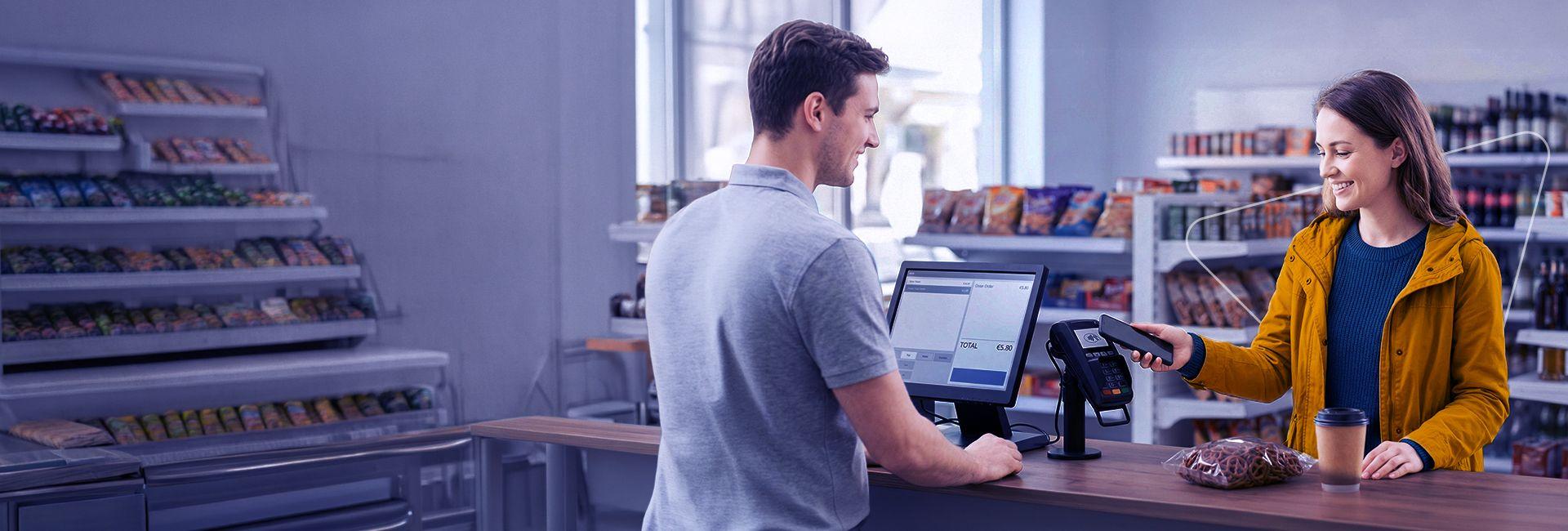
What Is Loyalty in Retail and Why Does It Matter?

What Is Loyalty in Retail and Why Does It Matter?

Aziro Marketing |

14 Apr 2026

In modern retail, trust and familiarity often mean more than a single transaction. Loyalty in Retail describes the enduring relationship between a shopper and a brand, a bond built on recognition and appreciation. When customers feel like a retailer understands them, they return. For retailers, fostering loyalty provides resilience in a competitive marketplace.

Building customer loyalty is a strategic focus for any retail business because it can boost profits and company revenue. Existing customers play a crucial role in driving revenue and profitability, as retaining them leads to more predictable cash flow and higher margins. In fact, a 5% increase in customer retention can increase company revenue by 25 to 95%.

This blog uses a question‑and‑answer format to explore what loyalty means, why it’s important, and how retailers can build it, without citing statistics or external links. 

What Does “Customer Loyalty in Retail” Mean?

At its core, loyalty is an emotional connection. Rather than chasing one‑time purchases, retailers cultivate repeat patronage by offering value and recognition. Loyalty programs are often the mechanism for this relationship. As a Retail Control Systems article explains, these programs reward continued patronage and range from basic point‑based systems to tiered memberships with exclusive perks. Retail loyalty programs use structured reward structures to foster customer loyalty and build deeper emotional connections, motivating different customer segments and strengthening brand engagement. When thoughtfully integrated into a brand experience, such programs encourage customers to come back and deepen the connection. Loyalty programs help retailers build long-term relationships, boost repeat purchases, and collect valuable data, such as loyalty data and valuable insights, to refine marketing strategies. Retail loyalty programs can even turn occasional shoppers into brand advocates, ultimately driving brand loyalty.

The most successful initiatives extend beyond transactions: they deliver personalized experiences and genuine appreciation. Building customer loyalty also means focusing on the overall customer experience and creating emotional bonds through enjoyable, seamless shopping environments and consistent service. This form of Loyalty in Retail demonstrates the importance of seeing customers as partners. Retailers should use multiple customer data sources and metrics to tailor strategies and improve the overall customer experience. 

Why is Loyalty Important for Retailers and Customers?

Loyalty is strategic because loyal customers shop more often, try new products, and trust the brand. Loyalty members are likely to shop more frequently and spend more than non-members, leading to higher lifetime value and incremental revenue for retailers. McKinsey research notes that combining loyalty tactics with pricing strategies can expand a retailer’s customer base and encourage larger purchases. When programs provide convenient benefits and tailored rewards, shoppers experience a sense of belonging. This mutually beneficial cycle means retailers gain predictable revenue and richer insights, while customers receive meaningful perks and consistent service. For example, offering an exclusive discount as part of a loyalty program can encourage customers to return and spend more. Customer loyalty programs and loyalty rewards play a crucial role in increasing customer retention, driving customer satisfaction, and ultimately helping boost profits. Satisfied, loyal customers are more likely to refer friends and family, becoming valuable marketing tools for the brand. Effective retail customer loyalty strategies include implementing structured rewards programs, offering personalized shopping experiences based on data analytics, and providing exceptional customer service. Cultivating loyalty allows businesses to understand preferences and design experiences that make shopping feel like a partnership rather than a transaction. This cycle lies at the heart of Loyalty in Retail.

Understanding Your Customer Base

A deep understanding of your customer base is the foundation of any successful retail loyalty strategy. Customer loyalty in retail thrives when retailers take the time to analyze customer preferences, behaviors, and satisfaction levels. By leveraging customer insights, retailers can identify patterns that reveal what motivates loyal customers to return, what drives repeat purchases, and how to increase customer lifetime value. Retail loyalty programs that are informed by these insights can deliver personalized marketing, tailored rewards, and experiences that truly resonate with individual shoppers. This not only increases customer lifetime but also fosters deeper customer relationships, turning satisfied customers into brand ambassadors who advocate for your business. By continuously learning from your customer base, retailers can adapt their loyalty initiatives to meet evolving needs, ensuring that every interaction adds value and strengthens the bond between brand and customer. 

How are Customer Preferences and Expectations Changing?

Shoppers today want more than discounts. A Deloitte study observes that while financial perks remain important, consumers increasingly seek experiences that reflect their personal journey with a brand. Participation in paid programs is rising, offering enhanced services such as free shipping or extended returns. Simplicity is key: people prefer programs that are easy to join and use. Transparency matters too; customers expect clarity about how their data is used and want personalized rewards in return. In fact, 71% of consumers now expect personalized interactions, and exclusive discounts tailored to specific customer segments can help meet these expectations. Modern consumers also expect brands to recognize their individual needs, align with their personal values, and even support causes like sustainability or ethical sourcing to strengthen customer connections. Omnichannel consistency is crucial, ensuring a seamless transition between mobile apps, websites, and physical stores, so rewards and history follow the customer everywhere. An enjoyable customer experience is a powerful driver of loyalty because it taps into the emotional aspect of the customer-brand relationship. By focusing on flexibility, experiences and clear communication, retailers can ensure their loyalty efforts align with evolving expectations.

Customer Lifetime Value: The Long-Term Impact of Loyalty

Customer lifetime value (CLV) is at the heart of every successful retail loyalty strategy. Rather than focusing solely on one-time sales, retailers who prioritize increasing customer lifetime value are investing in the long-term success of their business. CLV measures the total worth a customer brings to a retailer over the course of their relationship. By encouraging repeat purchases and nurturing deeper customer relationships, loyalty programs directly contribute to higher customer retention and greater lifetime value. When retailers implement thoughtful loyalty initiatives, they not only boost immediate sales but also lay out the groundwork for ongoing engagement and profitability. Increasing customer lifetime value means that each loyal customer becomes more valuable over time, driving sustainable growth and helping retailers weather changes in the market. 

Emotional Loyalty: Beyond Transactions

While transactional loyalty is important, true customer loyalty in retail is built on emotional connections. Emotional loyalty goes beyond points and discounts—it’s about making customers feel genuinely valued and understood. Retailers can foster emotional loyalty by delivering exceptional customer service, offering personalized marketing, and designing rewards that reflect individual customer preferences. When customers feel a strong emotional connection to a brand, they are more likely to become part of a loyal customer base, advocate for the brand, and share positive experiences with others. Building emotional loyalty transforms shoppers into brand ambassadors, creating a loyal customer base that supports the business through word-of-mouth and repeat business. By focusing on emotional loyalty, retailers can create deeper, more meaningful relationships that last well beyond a single transaction. 

What Makes an Effective Retail Loyalty Program?

Successful loyalty initiatives share common traits:

  • Straightforward: Programs that are easy to sign up for and simple to redeem encourage participation.
  • Personalized: They analyze purchase histories, purchase data, and loyalty data to deliver relevant loyalty rewards and tailor experiences for both new customers and lapsed customers. The Retail Control Systems article highlights that loyalty programs can range from simple point systems to tiered memberships offering early access to sales and personalized offers.
  • Trustworthy: Retailers explain how personal data is collected and used and offer clear value in exchange.
  • Aligned with brand values: Effective programs create a sense of community rather than just delivering coupons.

Retail loyalty programs can also include gamification and real-time engagement to maximize program effectiveness, making the shopping experience interactive and fun. Integrating loyalty programs across physical stores and in-store experiences ensures a seamless customer journey, with unified loyalty data recognizing and rewarding customers whether they shop online or in person. Rewards customers who receive loyalty rewards and positive interactions at every touchpoint are more likely to remain engaged, while a poor experience can quickly drive them to competitors. Notably, customers who have issues resolved well often become even more loyal than those who never had issues.

Through these practices, Loyalty in Retail becomes an authentic part of the brand. 

Experience-Led Rewards: Creating Memorable Moments

Experience-led rewards are redefining what it means to reward loyal customers. Instead of relying solely on discounts or loyalty points, many retail brands are now offering unique experiences that create lasting memories. These might include early access to new collections, invitations to exclusive events, or special perks that make customers feel like insiders. Experience-led rewards help retailers stand out in a crowded market by forging an emotional connection with their customer base. When customers receive early access or personalized experiences, they feel recognized and valued, which encourages them to remain loyal and return for repeat purchases. By focusing on memorable moments, retailers can build a loyal customer base that is excited to engage with the brand time and again.

Subscription and Membership Models in Retail Loyalty

Subscription and membership models are transforming retail loyalty by offering customers ongoing value in exchange for a recurring fee. These models provide a range of benefits such as exclusive product access, priority customer service, and special loyalty perks that keep customers engaged and coming back. For retailers, subscription and membership programs create a steady revenue stream and increase customer retention, as members are more likely to remain loyal to brands that consistently deliver value. Additionally, these models generate valuable customer insights, allowing retailers to tailor their marketing efforts and loyalty initiatives to better meet the needs and preferences of their loyal customer base. By embracing subscription and membership models, retailers can foster long-term loyalty and drive profitable growth. 

Privacy-First Personalization in Loyalty Programs

As customers become more aware of data privacy, retailers must adopt a privacy-first approach to personalization in their loyalty programs. Today’s shoppers expect personalized experiences, but they also want to know that their data is being handled responsibly. Retailers can build trust and increase loyalty by being transparent about data collection and usage, and by ensuring that personalization efforts respect customer privacy. By leveraging data and analytics to deliver relevant rewards and communications, while maintaining clear privacy standards—retailers can create loyalty programs that feel both personal and secure. Prioritizing privacy-first personalization not only helps retain customers but also strengthens the emotional connection between the brand and its customer base, paving the way for long-term loyalty and ongoing engagement.

Brand Ambassadors: Turning Loyal Customers into Advocates

Loyal customers who feel a strong emotional connection to a retail brand often become their most passionate advocates and brand ambassadors. These individuals go beyond making repeat purchases; they actively recommend products, share positive experiences, and help grow the loyal customer base through word-of-mouth. Retailers can nurture brand ambassadors by offering exclusive perks, personalized rewards, and unique experiences that acknowledge their loyalty and deepen their emotional connection to the brand. Encouraging brand ambassadors to share their stories on social media, participate in referral programs, and provide feedback not only boosts customer satisfaction but also attracts new customers. By investing in relationships with loyal customers and recognizing their value, retailers can turn everyday shoppers into influential brand ambassadors who help drive growth and foster a thriving, loyal customer base.

What Challenges Do Retailers Face When Building Loyalty?

Standing out in a crowded market is challenging. To remain competitive, retailers must leverage valuable insights from customer segments and data analytics, using multiple customer data sources and metrics to tailor loyalty strategies and improve the overall customer experience. Many retailers offer loyalty programs, making differentiation essential. Balancing simplicity with engaging rewards can be difficult; overly complex schemes confuse customers, while basic ones may fail to excite. Privacy concerns also loom large, as consumers demand transparency about data usage. Moreover, building loyalty requires continuous investment in technology, staff training, and customer service. Programs that aren’t integrated into the broader brand experience risk feeling transactional. Retailers must therefore see loyalty as an ongoing conversation and be willing to adapt their strategies as consumer expectations evolve.

Operational Benefits of Customer Loyalty

Implementing a customer loyalty program delivers significant operational benefits for retailers. Loyalty programs streamline the collection of valuable data on customer behavior, preferences, and purchase history, providing actionable customer insights that inform smarter marketing efforts and product decisions. Automation features within loyalty programs can simplify marketing campaigns, making it easier to deliver personalized offers and communications that enhance the customer experience. These efficiencies help reduce customer churn, increase repeat purchases, and drive incremental revenue, while supporting profitable growth. By leveraging the valuable data generated through loyalty initiatives, retailers can continuously refine their strategies, optimize operations, and ensure that every aspect of the business is aligned with the goal of building lasting customer loyalty.

How Should Retailers Prepare for the Future of Loyalty?

The future of loyalty will be more dynamic and personal. McKinsey suggests that integrating loyalty programs with pricing strategies creates a cohesive value proposition that drives growth. Retailers should invest in analytics to understand behaviors. Deloitte’s research indicates that paid programs offering premium services are gaining popularity. Maintaining ease of use and transparency remains vital. Finally, loyalty efforts should reflect brand values and deliver authentic experiences. Building a sense of belonging can turn customers into brand advocates, which is essential to foster customer loyalty and achieve higher lifetime value and incremental revenue. Emotional ties and differentiated programs win the sale when experience and convenience are equal, helping retailers remain competitive. This keeps loyalty central as expectations evolve. By embracing these principles, Loyalty in Retail can thrive for years to come. 

To Sum Up

Loyalty is no longer a fringe marketing tool. It is a fundamental strategy that connects retailers to customers in meaningful ways. By prioritizing simplicity, personalization, and transparency, businesses can transform loyalty programs into engines of growth and satisfaction. The journey toward effective loyalty begins with understanding what customers value and delivering experiences that transcend discounts. When loyalty initiatives are integrated with pricing and aligned with a brand identity, they become powerful tools for building lasting relationships.

Retail loyalty programs help boost profits and company revenue by turning occasional shoppers into repeat customers and brand advocates. These programs incentivize ongoing patronage, foster emotional connections, and drive higher spending, all of which contribute to long-term business growth.

Frequently Asked Questions

Q. Do loyalty programs always require points or discounts?

Ans: Not always. While many programs use point systems or discounts, loyalty can also be built through experiences and services. Reward structures can include exclusive discounts and experiential perks for loyalty members, such as early access to collections, personalized styling sessions, or free shipping. The key is to provide value that resonates with the shopper.

Q. Is customer data essential for a successful loyalty program?

Ans: Customer data helps tailor rewards and communications, making programs more relevant. Analyzing purchase data and loyalty data enables retailers to personalize offers for both new customers and lapsed customers, increasing engagement and retention.

Real People, Real Replies.
No Bots, No Black Holes.

Big things at Aziro often start small - a message, an idea, a quick hello. A real human reads every enquiry, and a simple conversation can turn into a real opportunity.
Start yours with us.

Phone

Talk to us

+1 844 415 0777

Email

Drop us a line at

info@aziro.com

Got a Tech Challenge? Let’s Talk