
From Points to Predictive Loyalty, How AI Is Redefining Rewards in Financial Ecosystems

From Points to Predictive Loyalty, How AI Is Redefining Rewards in Financial Ecosystems

Aziro Marketing |

29 Apr 2026

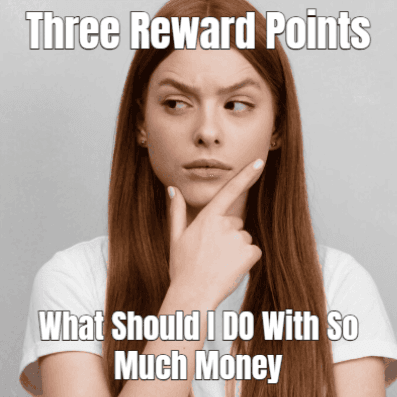
I once opened my banking app after buying coffee and it cheerfully told me I had earned three reward points. Three. I stared at the screen longer than necessary, waiting for the feeling of delight that loyalty programs are supposed to create. It never came. What did come was a question I couldn’t shake. Who exactly is this for?
what should i do.png

That tiny moment sums up why rewards in financial services have always felt a little off. They are well intentioned, carefully budgeted, and emotionally flat. Points pile up like loose change in a drawer. You know they matter in theory. You almost never feel it. But something is shifting. Quietly, then all at once. Artificial intelligence is nudging loyalty away from accumulation and toward anticipation. Less tallying. More intuition. And honestly, it feels overdue.

When Loyalty Was a Ledger, not a Relationship

Traditional rewards programs were built like spreadsheets. Spend X, get Y. Reach Z, unlock a perk. Clean. Logical. Also painfully transactional. I worked on a credit card launch years ago where we debated the decimal placement on cash back percentages for days. Not the narrative. Not the emotion. The decimal. We told ourselves customers were rational actors. They were not. People don’t remember percentages. They remember moments. They remember when a bank surprised them. Or didn’t.

loyalty image blog.png

The old model asked customers to do the work. Track points. Redeem before expiration. Read fine print that felt written by someone actively trying to discourage curiosity. Loyalty was framed as a chore with occasional prizes.

It wasn’t stupid. It was just narrow. 

AI Changes the Question

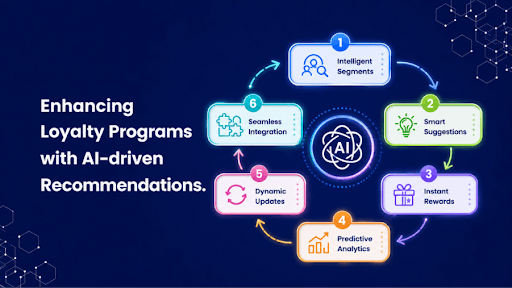
Loyalty is strategic because loyal customers shop more often, try new products, and trust the brand. Loyalty members are likely to shop more frequently and spend more than non-members, leading to higher lifetime value and incremental revenue for retailers. McKinsey research notes that combining loyalty tactics with pricing strategies can expand a retailer’s customer base and encoAI doesn’t ask, “How many points should we give?” It asks, “What is this person likely to need next?” That is a radically different starting point. Instead of rewarding past behavior, AI looks forward. It reads patterns. Spending rhythms. Life stages hinted at in transactions. Not in a creepy, omniscient way, at least not when done right. More like a friend who notices you always book flights in October and casually asks if you want a reminder.

Predictive loyalty is less about earning and more about arriving at the right moment with the right nudge. Or benefit. Or surprise.

enhancing loyalty program.png

I saw this first-hand when a fintech client tested AI-driven rewards. One customer got airport lounge access automatically unlocked the week before a frequent travel pattern kicked in. No redemption step. No notification flair. Just there when needed. The feedback was striking. People didn’t talk about the perk. They talked about how understood they felt. That is the real currency. 

The Invisible Hand That Feels… Human

Here’s the paradox. The more advanced the AI, the less visible the reward should be.

The best loyalty experiences don’t announce themselves like confetti cannons. They quietly remove friction. They anticipate before inconvenience forms. They feel human precisely because they are restrained. Think about a bank offering temporary fee waivers during months when it predicts cash flow might be tight. Or surfacing installment options before a large payment causes stress. Or suggesting a savings boost right after a raise hits the account.

None of these feel-like rewards in the traditional sense. There are no points. No tiers. No shiny badges. Yet they create loyalty far deeper than discounts ever did. Because they reduce anxiety. And anxiety is the enemy of financial trust.

From Segments to Stories

For years, financial marketers talked about segments. Mass affluent. Millennials. Premium customers. It always sounded like sorting laundry. AI shifts the unit of loyalty from segment to story. Each customer has a narrative. New job. New city. New baby. Burnout. Ambition. Plateau. The data already hints at these things. AI just connects the dots faster and more sensitively.

I remember a program where customers saving for weddings got personalized rewards tied to vendors and experiences they used. Not generic cashback. Real relevance. It worked not because the math was better, but because the timing was. Predictive loyalty is context-aware. It respects chapters. It understands that the same person wants different things at different times. That nuance used to be impossible at scale. Now it’s table stakes. 

The Ethical Tightrope

Let’s not pretend this is all warm and fuzzy. There is a fine line between being helpful and being invasive. Cross it, and loyalty evaporates instantly. People don’t want their bank to know everything. They want it to know enough. The smartest AI-led programs I’ve seen make restraint a feature. They anonymize patterns. They explain why a benefit is offered. They let customers opt out without guilt.

Transparency builds trust. Silence destroys it. Predictive loyalty only works when it feels like an invitation, not surveillance. That requires design choices, not just algorithms. 

Why Points Won’t Disappear, but They Will Shrink

Points aren’t going away. They are familiar. Easy to explain. CFO-friendly. But they are becoming the wrapper, not the gift.

Points will increasingly sit in the background while AI-powered experiences do the emotional work. Earn points, sure. But feel loyalty because something unexpected went right. The programs that cling solely to accumulation will feel louder and emptier at the same time. A lot of noise. Very little resonance. 

Loyalty as a Long Conversation

The biggest shift is philosophical. Loyalty is no longer a reward for transactions. It is a response to being understood. AI allows financial ecosystems to listen continuously instead of reacting periodically. To adjust tone. To adapt. To grow with people instead of scoring them. When that happens, loyalty stops feeling like a program and starts feeling like a relationship. And relationships are built on timing, empathy, and memory.

The Moment That Sticks

A friend once told me the reason he never switched banks wasn’t the rates or the app. It was the time his card was compromised abroad and the bank sorted everything before he even woke up. No points were earned that day. Yet loyalty was cemented for years. That’s the future. Quiet predictability. Thoughtful intervention. Rewards that appear exactly when you didn’t know to ask.

We’re moving from counting benefits to predicting trust. And once you experience that shift, going back to point tallies feels like keeping score in a friendship. It misses the point entirely.

Real People, Real Replies.
No Bots, No Black Holes.

Big things at Aziro often start small - a message, an idea, a quick hello. A real human reads every enquiry, and a simple conversation can turn into a real opportunity.
Start yours with us.

Phone

Talk to us

+1 844 415 0777

Email

Drop us a line at

info@aziro.com

Got a Tech Challenge? Let’s Talk