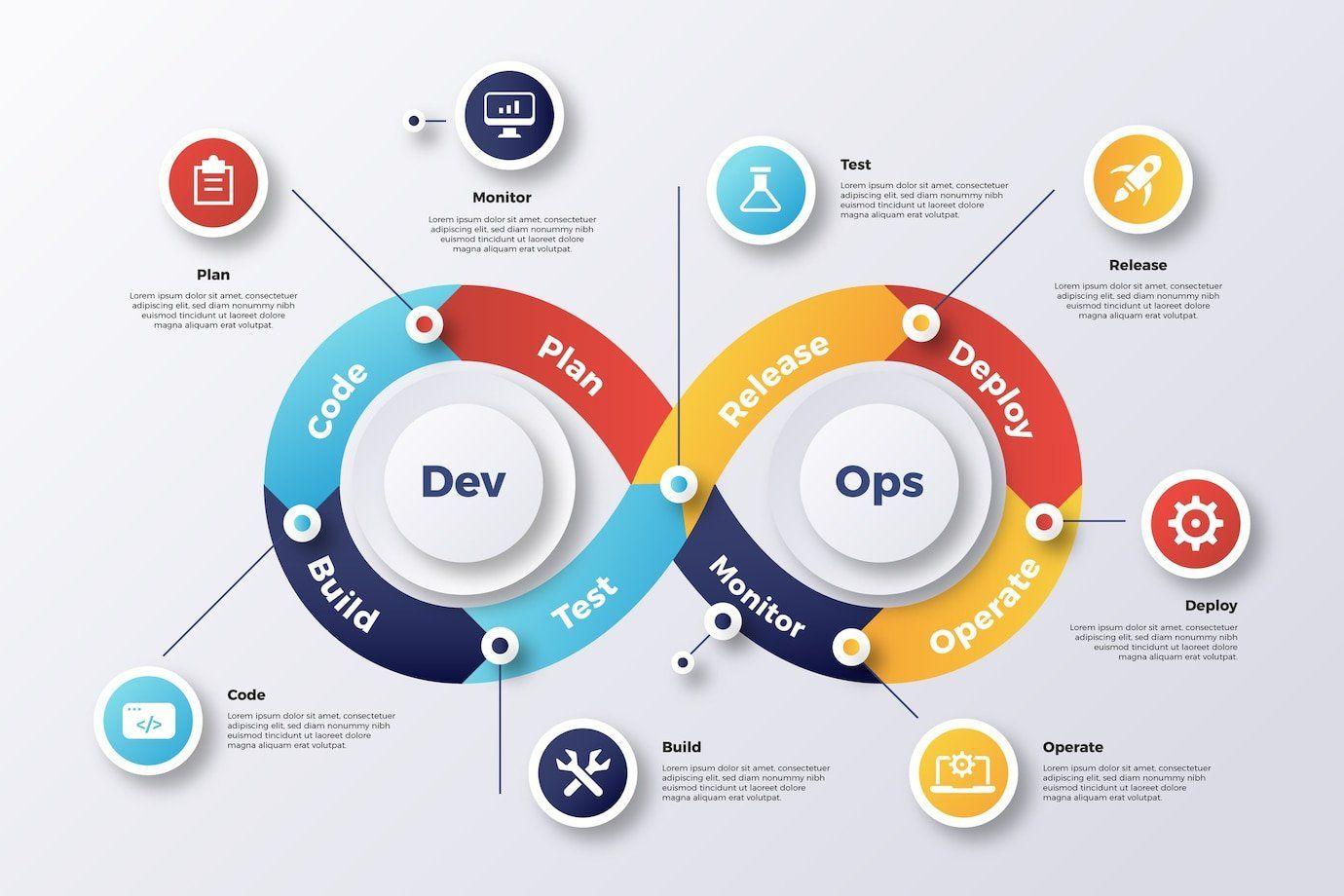
The evolving complexity of modern software development has made it even more complex for teams to strike a balance between speed, security, and operational efficiency. As organizations rely on CI/CD pipelines to accelerate delivery, it becomes increasingly challenging for security measures to remain aligned with these processes. This is where Agentic AI comes into play to reshape the DevSecOps ecosystem. Unlike traditional automation tools, AI operates with autonomy, analyzing, deciding, and acting in real-time to address security concerns before they escalate. Several businesses like Aziro are at the forefront of this shift, embedding intelligent, decision-capable agents directly into CI/CD workflows. The result is seamless vulnerability management, policy enforcement, and various intelligent pipeline optimizations, which enable teams to ship faster without compromising security.
Exploring the Change From Traditional Automation to Autonomous AI Agents
For years, DevSecOps pipelines relied on scheduled scans, static analysis tools, and basic automated scripts to detect vulnerabilities. While those approaches worked in controlled environments, they struggle in dynamic, high-velocity pipelines where changes are deployed multiple times per day. This gap has led to the rise of Autonomous AI Agents, intelligent systems capable of evaluating live operational data and adjusting security responses in real-time.
These agents don’t just execute static rules. Instead, they interpret context, prioritize issues, and apply corrective actions without waiting for human intervention. This capability makes them invaluable for securing modern CI/CD environments. Platforms like Aziro embed these agents directly into delivery workflows, handling dependency checks, infrastructure policy validation, and anomaly detection autonomously.
As adoption grows, these Autonomous AI Agents are proving themselves in real-world environments by reducing the window between vulnerability detection and resolution. This shift moves security operations from reactive processes to preventive, embedded practices that operate at the speed of deployment.
The Role of AI Assistants in Engineering Workflows
Managing CI/CD pipelines today involves far more than code commits and deployments. Teams must track infrastructure changes, API updates, and security compliance tasks in parallel. In this environment, AI agents have emerged as valuable collaborators. These systems continuously monitor pipeline activity, scan for risky code changes, and flag potential security or performance concerns before deployment.
The ability to offer actionable insights is what sets modern AI apart. Instead of generating noisy alerts, they contextualize findings, highlight root causes, and even suggest fixes. Integrated tools, such as those provided by Aziro, deploy these assistants at critical points in the CI/CD process. From scanning pull requests to enforcing infrastructure-as-code policies, they support developers and DevOps engineers by minimizing security risks without obstructing delivery.
This collaborative approach ensures security and operational checks happen alongside development tasks, reducing friction and boosting productivity across engineering teams.
How Agentic AI Enhances DevSecOps Efficiency?
Security gates in CI/CD pipelines traditionally add time to delivery, often forcing teams to choose between speed and thoroughness. This trade-off is one reason why AI is gaining prominence. These systems can evaluate security risks in real-time and take actions such as halting deployments, triggering automated rollbacks, or isolating affected services without requiring manual approval.
By integrating this decision-making capability directly into pipelines, AI agents minimize the lag between detection and response. That reduces risk exposure and avoids the bottlenecks typically associated with manual reviews. More importantly, it maintains delivery velocity, a top priority for modern engineering organizations.
The adaptability of these AI systems also matters. As new threats and compliance requirements emerge, Agentic AI can adjust its criteria without requiring pipeline reconfiguration. This flexibility ensures security practices remain effective even as infrastructure and codebases evolve.
Aziro’s Approach to Secure CI/CD Automation
Among the tools shaping this shift, Aziro stands out for its integration of Autonomous AI Agents and AI assistants directly into delivery workflows. Its platform continuously monitors every phase of the CI/CD process, from code merge to deployment, and automatically enforces security, operational, and compliance checks.
Aziro’s real-time agents perform tasks such as dependency scanning, infrastructure validation, and security policy enforcement without slowing down deployments. These agents don’t just report issues; they prioritize them and suggest immediate actions, dramatically improving remediation cycles. Additionally, their integrated AI support helps developers by detecting security risks early in the process and offering remediation tips that fit within existing workflows.
This combination of proactive agents and supportive assistants ensures teams spend less time on security firefighting and more time focusing on product delivery.
Why Agentic AI Is Becoming Significant?
The rapid pace of software delivery isn’t slowing down, and neither are the threats targeting CI/CD pipelines. As these systems become more complex, human oversight alone isn’t enough to guarantee security and compliance. That’s why AI agents are quickly moving from an emerging technology to an essential one for engineering leaders focused on building resilient, scalable delivery systems.
By embedding intelligent, autonomous decision-making into every stage of the delivery pipeline, teams can improve security outcomes while preserving speed. The future of DevSecOps belongs to systems that can learn from historical patterns, detect emerging risks, and respond autonomously in real-time.
Wrapping Up
Nowadays, software development teams operate in a high-speed, high-risk ecosystem. Securing CI/CD pipelines without sacrificing delivery speed is not an option; it is now a priority. Intelligent solutions, such as Agentic AI, are making it possible by automating risk detection and response processes in real-time. Several companies, such as Aziro, demonstrate that integrating Autonomous AI Agents and AI assistants into engineering workflows creates scalable and reliable systems designed to keep pace with the demands of modern development. It is an investment in both efficiency and long-term security that many innovative engineering teams are already adopting.
Frequently Asked Questions
1. How does Agentic AI differ from traditional AI in DevSecOps?
Ans: Agentic AI reviews real-time data, identifies risks, and takes corrective actions instantly, whereas traditional AI often needs predefined instructions.
2. What role do AI assistants play in DevSecOps practices?
Ans: AI assistants act as intelligent collaborators within CI/CD pipelines. Additionally, it assists developers and operations teams by identifying risks, reviewing code changes for vulnerabilities, and providing solutions.